The Hidden Truth About Vision Tests
A basic vision screening, like the quick test at the DMV or a school nurse's office, only checks how clearly you can see a letter chart. It evaluates visual acuity and nothing more. These screenings are not designed to detect eye disease, and they can miss conditions that have no obvious symptoms.
Many serious eye diseases develop silently. The American Optometric Association notes that conditions like glaucoma, age-related macular degeneration, and cataracts can progress without early warning signs. A simple vision test cannot catch these issues. Only a comprehensive dilated eye exam can reveal what is happening inside your eyes.
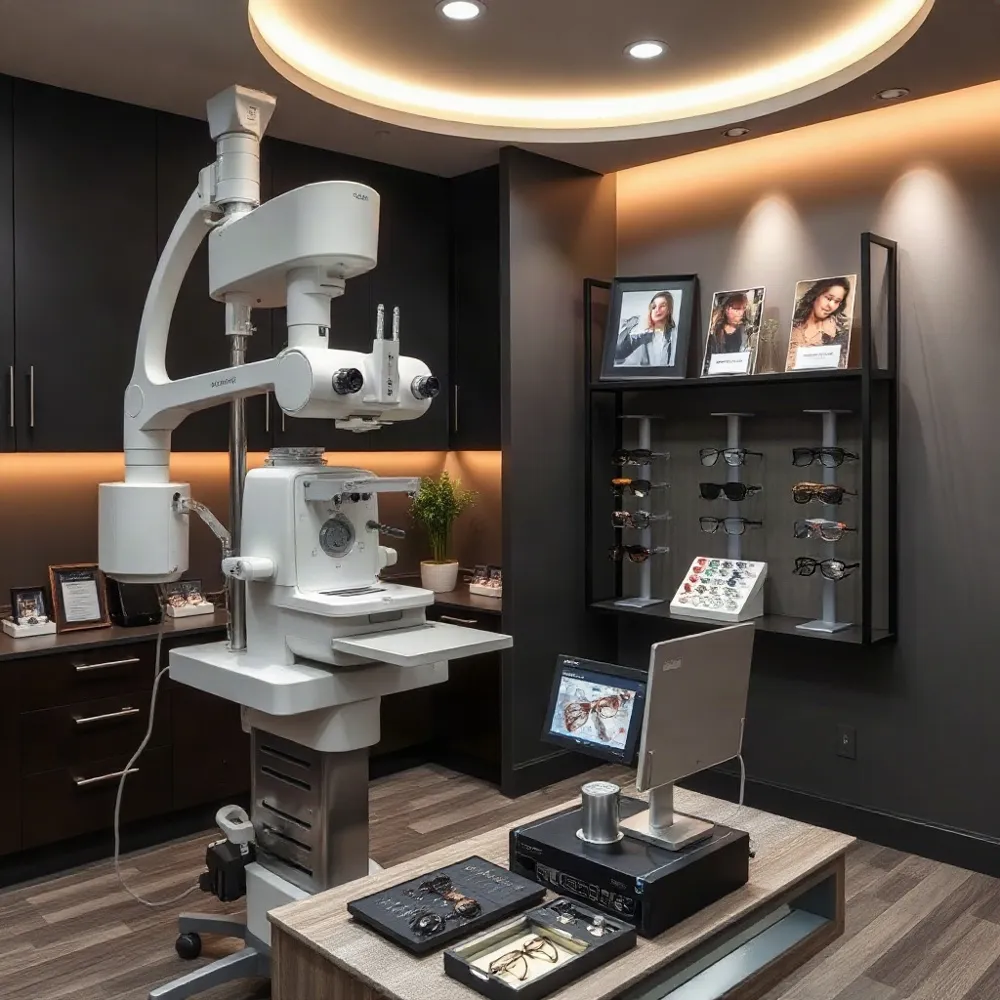
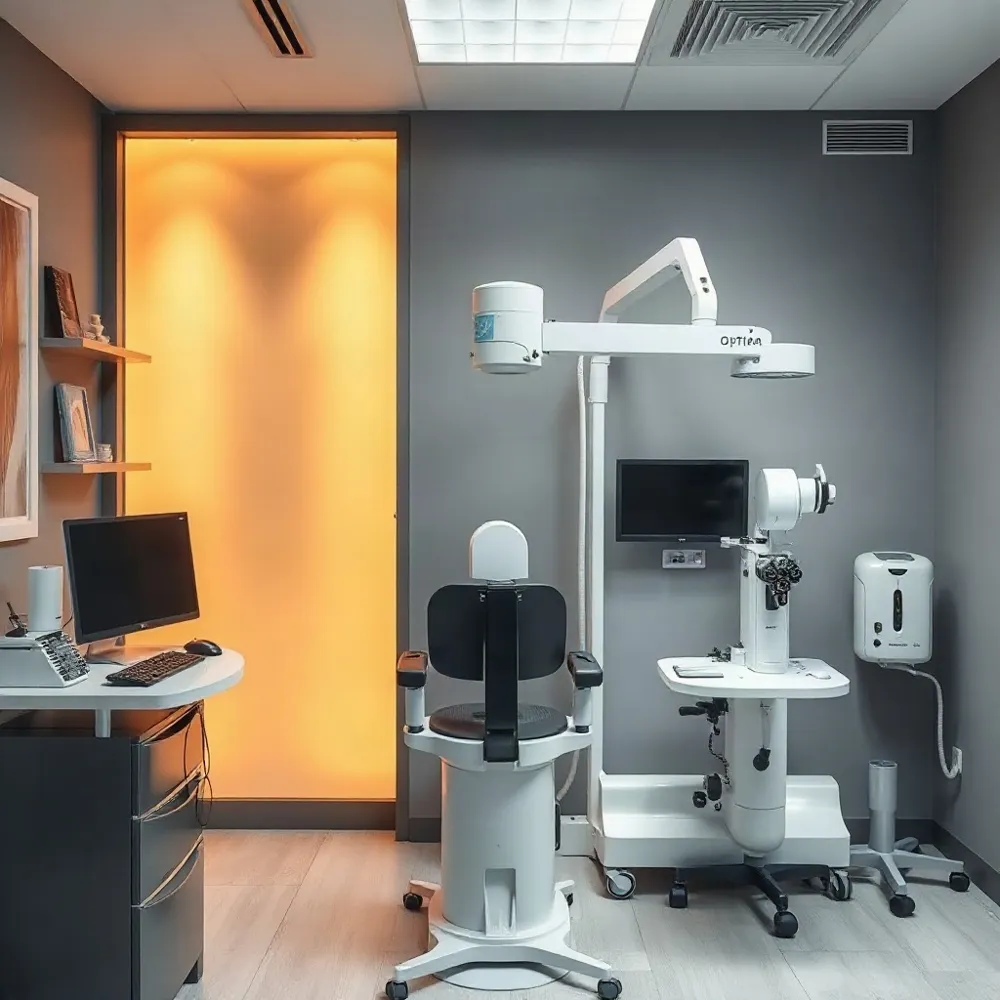
At Rio Vista Optometry in Mission Valley, Dr. Camen uses modern diagnostic equipment to look beyond the surface. The practice performs thorough exams that evaluate the internal and external structures of your eyes, checking for early signs of disease before they affect your vision. This approach reflects a commitment to preventive care that basic screenings cannot match.
Vision Screening vs. Comprehensive Exam
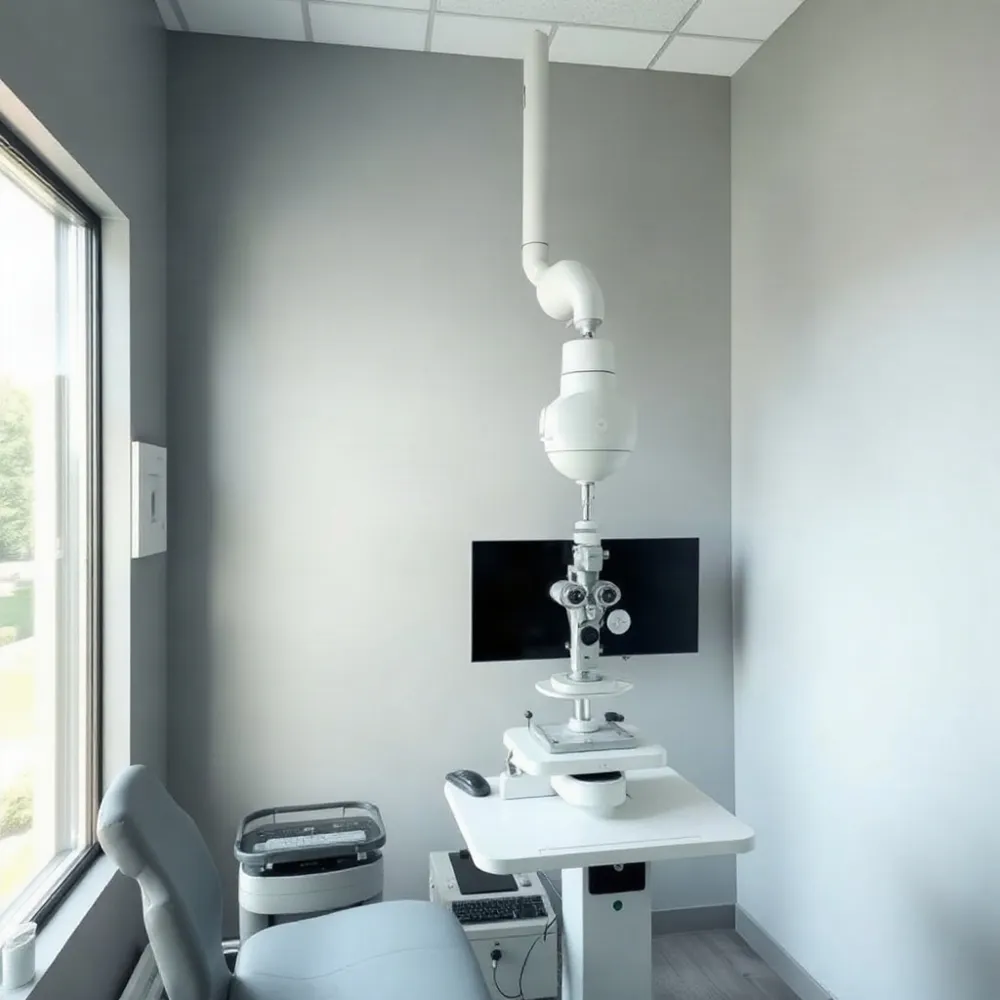 You've probably had a quick vision screening before—maybe at school, the DMV, or your primary care doctor's office. It's a simple check of how clearly you see a chart from a distance. What it doesn't do is give a full picture of your eye health or catch common issues like how well your eyes focus, track, and work together as a team.
Because screenings are often done outside of a dedicated eye care setting, they can miss important issues. For example, a child might pass a school screening with 20/20 distance vision but still have trouble with the visual skills needed for reading and learning. That's why a thorough exam is so important for the whole family.
A comprehensive eye exam with a licensed optometrist like Dr. Camen at Rio Vista Optometry is a completely different experience. It goes far beyond the basic chart to evaluate how your eyes work together, how you see color and depth, and the overall health inside your eyes. Using advanced diagnostic tools, Dr. Camen carefully checks your retina, optic nerve, and other structures to spot any early signs of eye disease.
Serious eye conditions like glaucoma and macular degeneration often develop without any warning signs. Relying only on a basic screening can give you a false sense of security. A comprehensive exam is the best way to make sure your eyes are truly healthy and your prescription is accurate, catching any potential problems early so you can get the personalized care you deserve.
What a Comprehensive Eye Exam Entails
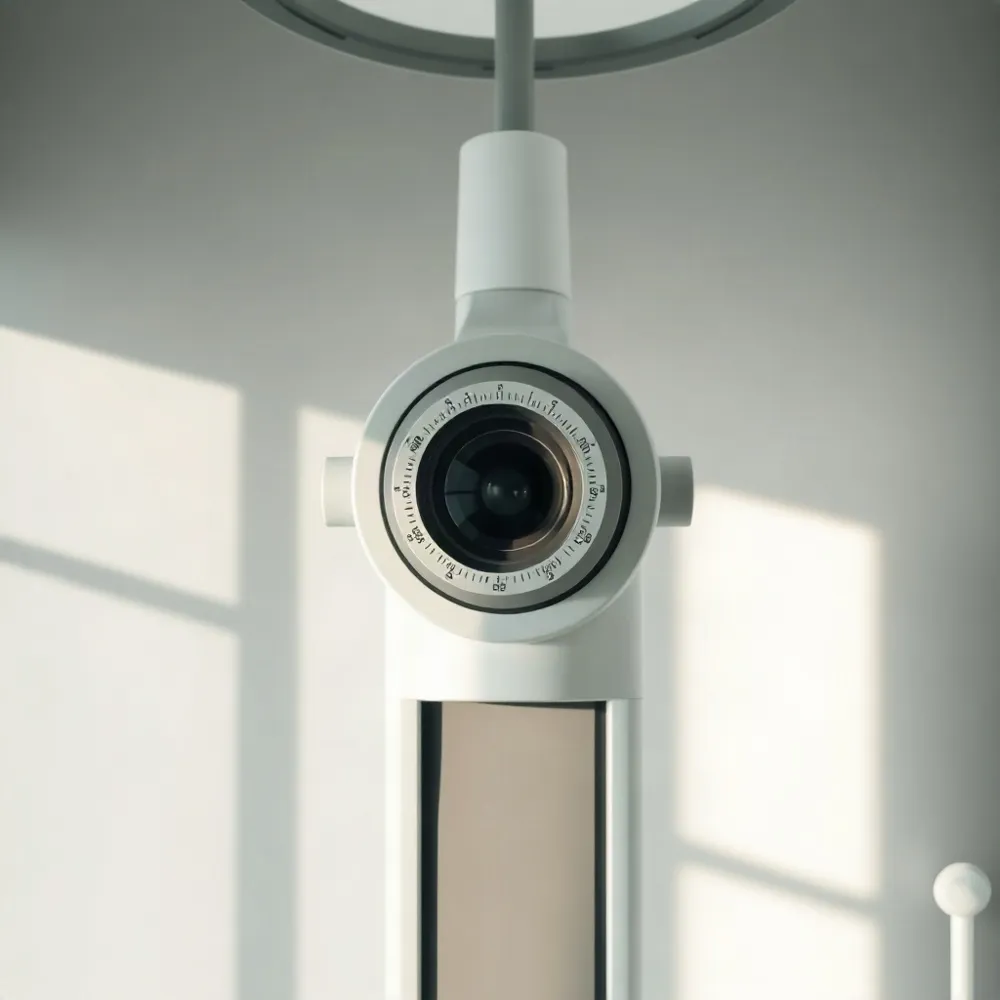 A comprehensive eye exam goes far beyond a basic vision screening, which typically only checks how clearly you can see a letter chart. It is a thorough evaluation of your overall eye health and visual performance, designed to detect problems before they affect your sight. At Rio Vista Optometry, Dr. Camen uses modern diagnostic equipment to assess not just your prescription, but also the internal and external structures of your eyes, providing a complete picture of your vision wellness.
The exam includes a structured sequence of assessments. It begins with a review of your medical and vision history, followed by tests for visual acuity, refraction (to determine your exact lens power), and field testing to measure your peripheral vision. The doctor also evaluates your eye muscle function, pupil response, and focusing ability. A slit lamp (biomicroscope) provides a magnified view of the cornea, lens, and other front-of-eye structures, while tonometry measures intraocular pressure to screen for glaucoma.
Dilation is a standard part of this process. Eye drops temporarily widen the pupils, allowing Dr. Camen to get a clear view of the retina and optic nerve at the back of the eye. This step is essential for detecting early signs of age-related macular degeneration, diabetic retinopathy, and other conditions that have no early symptoms. The temporary light sensitivity and blurred vision usually fade within a few hours. Planning your appointment with a ride home can make the experience more comfortable.
A contact lens evaluation is not part of a standard comprehensive eye exam. It is a separate service that requires additional measurements, such as corneal curvature and tear film assessment, to ensure a proper fit. During your exam, the team at Rio Vista Optometry can discuss your interest in contacts and help you schedule the necessary fitting. For a full list of the conditions a comprehensive exam can uncover, see the following table.
| Condition | What the Exam Looks For | Why It Matters |
|---|---|---|
| Glaucoma | Optic nerve damage and elevated eye pressure | Often symptomless until vision loss occurs |
| Macular degeneration | Drusen deposits beneath the retina | Leading cause of central vision loss in adults 60+ |
| Diabetic retinopathy | Damaged retinal blood vessels | Leading cause of blindness in American adults |
| Cataracts | Clouding of the natural lens | Affects about 37% of U.S. adults over 65 |
| Dry eye disease | Meibomian gland dysfunction and tear film instability | Affects about 16 million diagnosed Americans |
| Hypertension / high cholesterol | Changes in retinal blood vessels, corneal arcus | May appear before a formal medical diagnosis |
Early Detection of Hidden Conditions
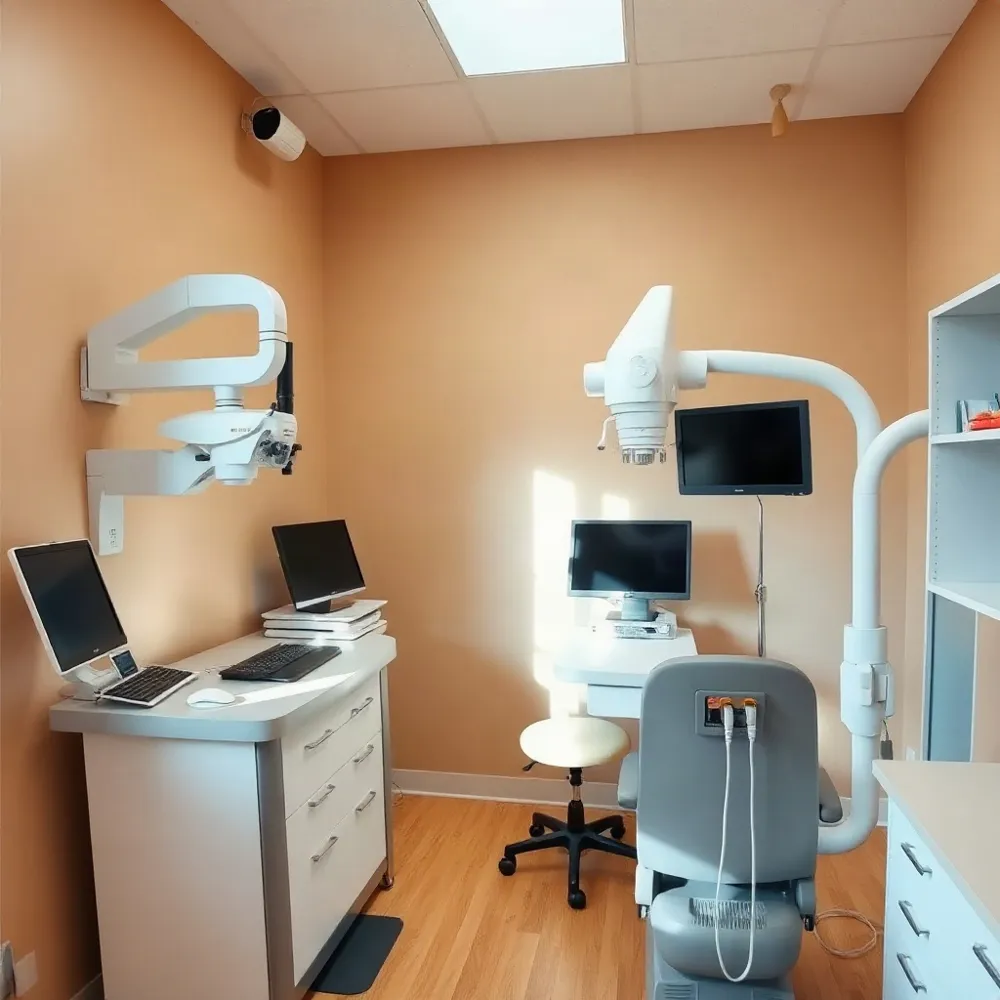 Clear vision does not always mean healthy eyes. Many serious conditions develop silently, without obvious symptoms, making a comprehensive eye exam an essential part of your preventive health routine.
The American Optometric Association identifies a comprehensive dilated eye exam as the primary tool for early detection of sight-threatening conditions. Because the retina is the only place in the body where blood vessels and nerve tissue can be directly observed without an invasive procedure, your eyes can provide early clues about more than 250 systemic and chronic conditions, including diabetes, high blood pressure, high cholesterol, and certain autoimmune diseases.
Common Conditions a Comprehensive Exam Can Reveal
Glaucoma. This group of eye diseases damages the optic nerve and often has no early warning signs. An estimated 4.22 million U.S. adults have glaucoma, with roughly half unaware they have it. A dilated exam is the most effective detection method for high-risk groups, including Black adults over 40, adults over 60, and those with a family history.
Diabetic Retinopathy. High blood sugar damages retinal blood vessels without causing early symptoms. About 9.6 million people in the U.S. have this condition, which is the leading cause of blindness in American adults. A dilated exam can spot changes in the retina before vision is affected.
Age-Related Macular Degeneration (AMD). AMD affects central vision and is the leading cause of vision loss in Americans over 60. Around 20 million Americans 40 and older have some form of AMD. A comprehensive exam can reveal drusen deposits beneath the retina before visual distortion develops.
Cataracts. A clouding of the natural lens, cataracts affect about 37% of U.S. adults over 65 (nearly 20 million cases in 2021). Early lens changes are often found during a comprehensive exam before vision declines.
At Rio Vista Optometry, Dr. Camen uses advanced diagnostic technology—such as retinal imaging, optical coherence tomography, and automated perimetry—to evaluate your eyes thoroughly. This approach allows for the early detection of conditions like dry eye disease, keratoconus, thyroid eye disease, and even optic neuritis, which can be the first sign of multiple sclerosis in up to 30% of cases.
A comprehensive eye exam is much more than a prescription check—it is a vital health screening that can uncover hidden conditions and help you take action before problems progress. For San Diego residents looking for personalized care, a visit to our practice gives you the peace of mind that comes from knowing your eyes are healthy and your long-term wellness is supported.
Preparing for Your Appointment
A successful comprehensive eye exam for San Diego families starts before you walk through the door. A few simple steps can help ensure you get the most accurate results and a comfortable, efficient visit at Rio Vista Optometry.
To get reliable measurements, avoid caffeine and alcohol for at least 24 hours beforehand. Both can raise blood pressure and dehydrate your eyes, which may temporarily alter your prescription. It is also best to skip eye makeup on exam day, as makeup residue can interfere with certain diagnostic tests and the evaluation of the moisture layer on your eyes and eyelid health.
Bring your current glasses, sunglasses, and contact lenses (including the box or prescription if you have it). Dr. Camen will use them to compare against new findings and confirm the perfect fit and power. You should also have your vision insurance card and any relevant medical documents ready so your care team can focus on your eye health, not the paperwork.
How Often Should You Have a Comprehensive Eye Exam?
The American Optometric Association recommends a frequency based on age and risk factors. Healthy adults aged 18-60 should have a comprehensive exam every one to two years. Adults over age 60, and anyone with chronic conditions such as diabetes or high blood pressure, typically need annual exams to monitor for age-related and systemic eye diseases.
Children should have their first comprehensive eye exam between 6 and 12 months of age, again at age 3, before starting school (age 5-6), and annually after that. The CDC notes that less than half of preschool children have had their vision tested, and early detection through an eye exam is critical for conditions like lazy eye, which the CDC says affects 2 to 3 out of 100 children.
For families with infants, the InfantSEE program provides a no-cost comprehensive eye assessment for babies aged 6 to 12 months, regardless of income or insurance. Rio Vista Optometry supports this initiative and can help you schedule an appointment tailored to your child's developmental needs.
The AOA also emphasizes that basic vision screenings, like those at schools or the DMV, are not a substitute for a comprehensive exam. Screenings only check how clearly you see and miss the internal eye health evaluation that can detect early signs of eye diseases and systemic conditions such as high blood pressure and diabetes. A comprehensive exam performed by a licensed optometrist like Dr. Camen, using advanced tools to examine your eyes thoroughly, provides a complete picture of your eye health and overall well-being.
Why Choose Rio Vista Optometry
Why Choose Rio Vista Optometry
San Diego residents have many options for eye care, but few combine Dr. Camen's level of experience with a genuinely warm, family-like atmosphere. Dr. Camen is a California-licensed optometrist who has practiced across private, corporate, hospital, and military settings, bringing a broad perspective to primary care optometry. This diversity of experience means you receive well-rounded care grounded in real-world expertise, not a one-size-fits-all approach.
The practice uses advanced diagnostic technology to look beyond a basic vision screening. This allows Dr. Camen to catch early signs of common eye conditions before they affect your daily life. Knowing your eyes are being checked with the best tools available gives you peace of mind and helps protect your vision for years to come.
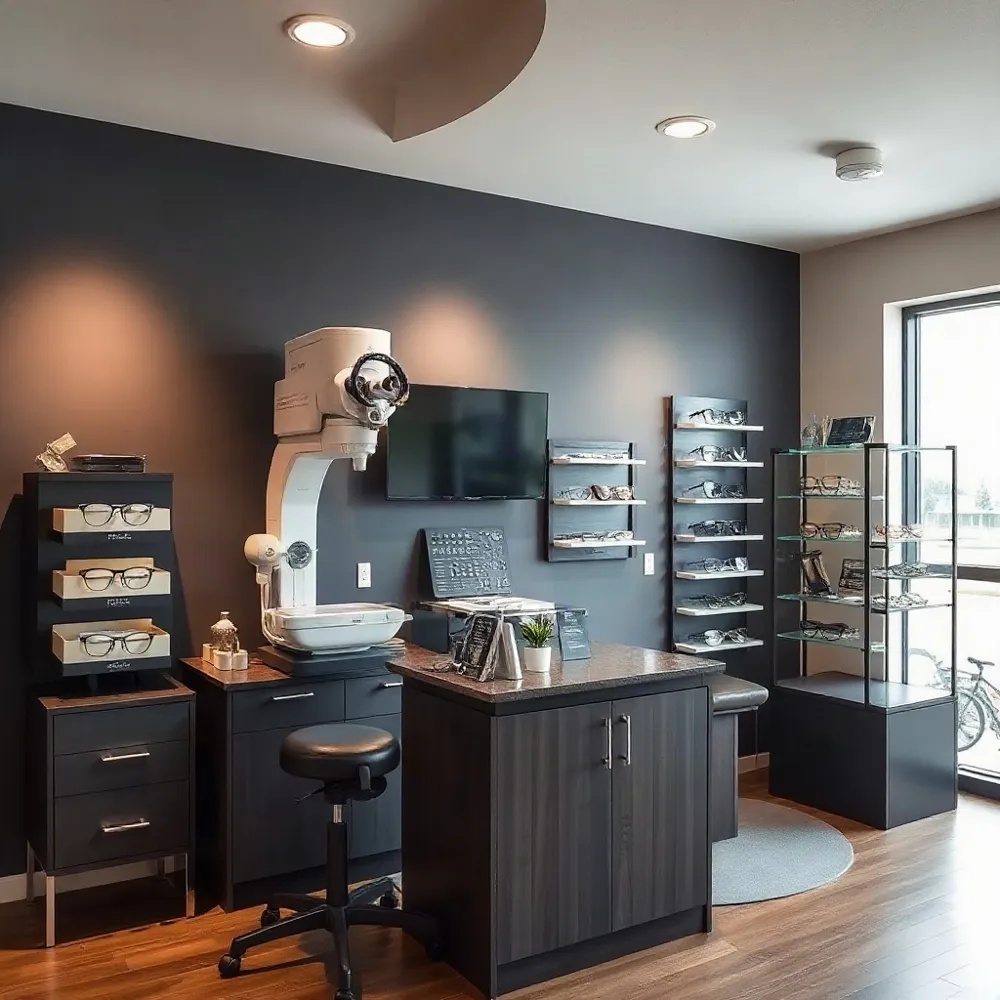
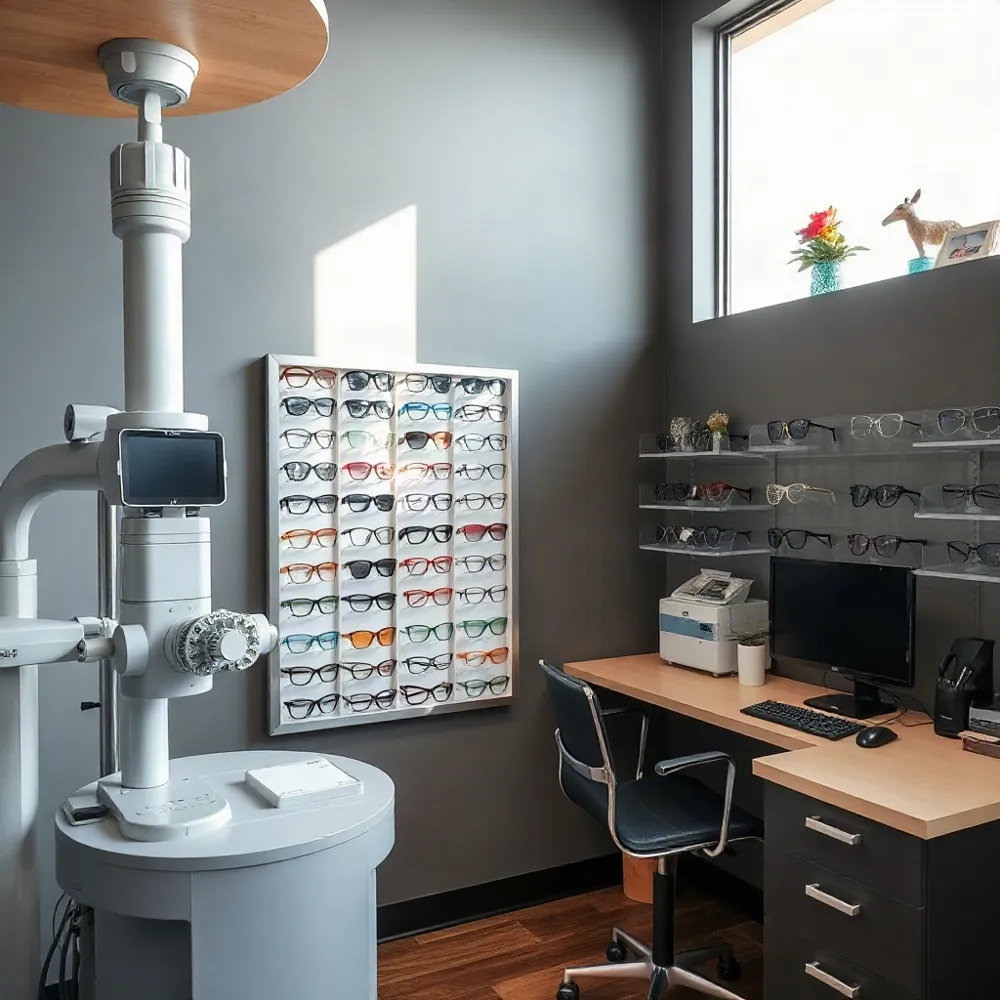
Rio Vista Optometry also stands out for having one of the biggest selections of designer eyewear in San Diego. From brands like Vernon Gantry and Eco to frames for every budget, the optical boutique makes finding stylish glasses that fit your face and personality easy. The team helps with insurance and payment options to reduce financial stress, and the convenient Mission Valley location offers extended Wednesday hours until 7:00 PM for busy schedules.
Your Vision Deserves More
A basic vision screening simply checks how clearly you can see a letter chart. It does not look for glaucoma, macular degeneration, or the many other conditions that can threaten your sight without any warning signs. The Centers for Disease Control and Prevention notes that a comprehensive dilated eye exam can find eye diseases in their early stages, when treatment to prevent vision loss is most effective.
For San Diego residents, Rio Vista Optometry offers thorough, personalized exams that go far beyond a basic vision test. Dr. Camen uses modern diagnostic equipment to evaluate not just your prescription but the overall health of your eyes, including the internal structures that a simple screening cannot reach. Patients consistently mention that they leave their appointments with a clear understanding of their eye health and practical recommendations for keeping their vision strong.
A basic test is simply not enough. Whether you are due for your routine checkup, managing a condition like diabetes, or just want to be confident that your eyes are as healthy as they should be, a comprehensive exam provides peace of mind that a quick screening cannot offer. Your vision deserves that level of care.
Rio Vista Optometry welcomes patients of all ages to their Mission Valley location. Schedule an appointment today and experience the difference a thorough, caring exam can make.