Noticing the Clues
Children use their vision to read, play, recognize faces, and explore the world around them. Because they may not know what clear sight should look like, or have the words to describe a problem, a change in behavior can sometimes be the first clue.
Squinting, avoiding books, or moving closer to a screen can be worth noticing, but no single behavior proves a child needs glasses or has an eye condition. These signs can have different causes, so an eye exam is the way to understand what is happening. The American Academy of Ophthalmology explains when children may need a comprehensive eye exam.
For families in Mission Valley and greater San Diego, Dr. Jesse A. Camen at Rio Vista Optometry provides comprehensive eye exams and personalized care. The guidance below can help you recognize possible concerns and decide when to seek a professional evaluation.
Signs Worth Paying Attention To
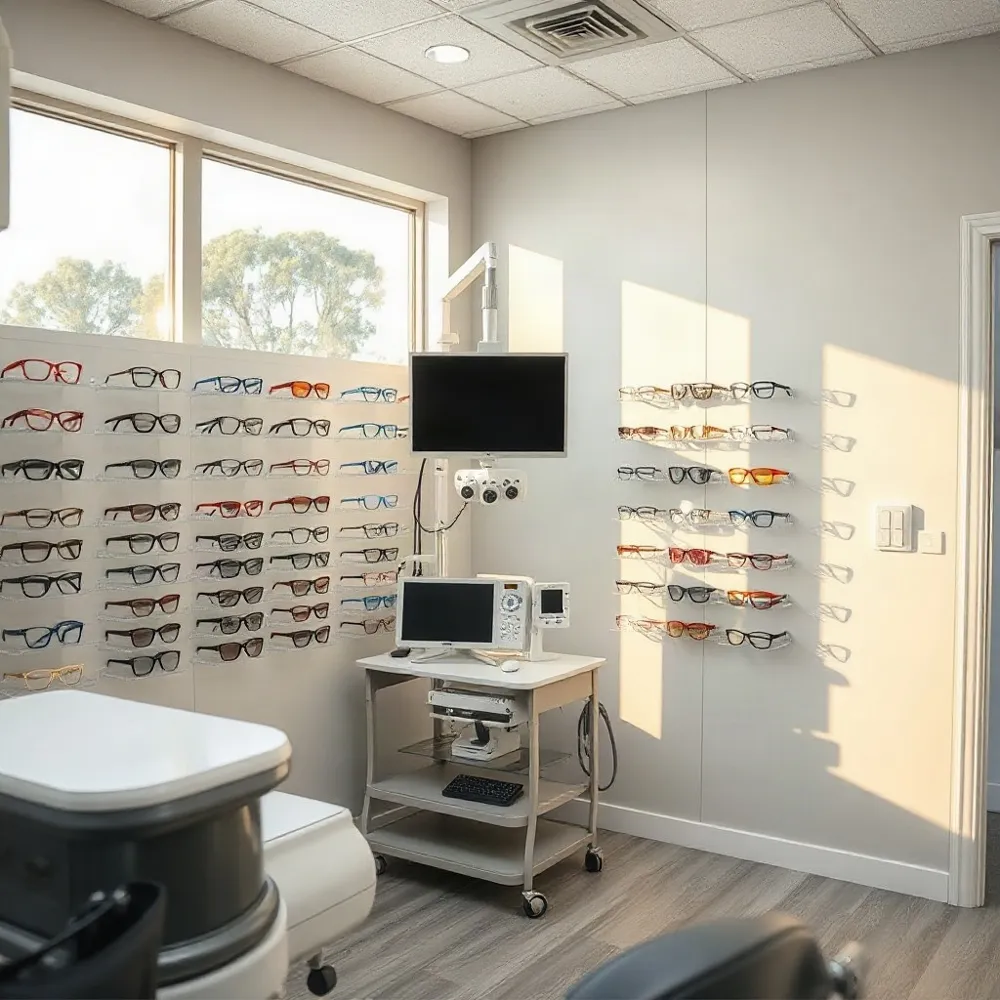
What are common signs that my child may have a vision problem?
Watch for frequent squinting, sitting very close to books or screens, holding objects close, covering one eye, or tilting the head to see. These behaviors can be a child’s way of trying to make things clearer, but they do not identify the cause on their own. A guide to signs a child may need glasses explains why these clues are worth discussing with an eye care professional.
Reading and school habits can offer clues, too. Your child may lose their place, reread lines, have trouble concentrating, avoid close-up activities, or seem to struggle to see classroom materials. Headaches, tired or irritated eyes, blurry vision, or unusual clumsiness and difficulty coordinating movements are also worth mentioning. Vision difficulties can sometimes affect reading, attention, and activities that rely on hand-eye coordination, as Mayo Clinic Health System describes.
Children may adapt to changes in vision without realizing anything looks different, so they might not report a problem. Sitting close to a screen does not by itself mean screen use is damaging the eyes, though leaning in to see images may be a clue to share with an eye care provider.
Treat these signs as prompts for assessment, not a diagnosis. At Rio Vista Optometry in Mission Valley, Dr. Jesse A. Camen offers comprehensive eye exams and personalized recommendations, and can talk through your observations with your family.
When to Arrange an Eye Exam
A newborn should have a basic check of eye health, including the pupils’ response to light and the red reflex. Another screening commonly takes place at a well-child visit between 6 and 12 months. Between ages 3 and 5, a child’s vision and eye alignment should be checked, with a comprehensive exam if screening suggests a concern. The American Academy of Ophthalmology’s guidance on children’s eye screening explains how screening can help identify children who need further evaluation.
Arrange a comprehensive evaluation if your child fails a screening, receives an inconclusive result, or cannot complete the test. A child’s own complaint, unusual visual behavior, or relevant health or family history can also be a reason to seek an exam. Screening is a brief check, not a full assessment of eye health and vision.
A routine schedule may not fit every child, so ask an eye care professional how often to book based on your child’s age, vision, and health history. Not every child who passes screening needs a comprehensive exam every year. Children who already wear glasses should have their eyes checked annually, according to Johns Hopkins Medicine’s guidance.
If you notice a concern, you do not have to wait for the next school screening or routine visit. In Mission Valley and greater San Diego, Dr. Jesse A. Camen at Rio Vista Optometry provides comprehensive eye exams and personalized recommendations, helping families decide on an appropriate plan for their child.
What a Child’s Exam Can Check
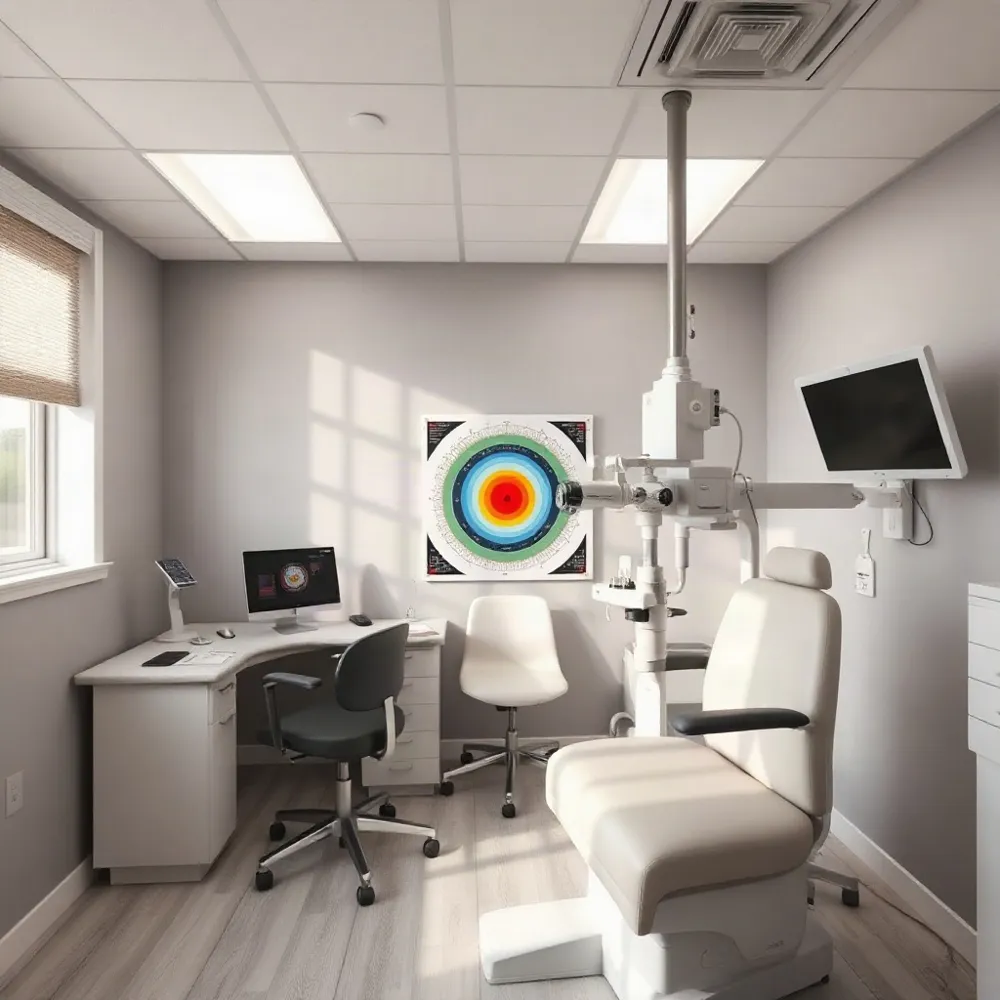 A child’s eye exam is adapted to their age and abilities. Reading letters is not required: the optometrist may use pictures, shapes, or other suitable ways to check how clearly each eye sees.
The exam can also assess how the eyes focus, move, and work together, along with depth perception and the health of the outer and inner eye. These checks give a fuller picture than visual clarity alone. A comprehensive eye exam may include additional tests when needed.
Depending on what the clinician needs to assess, pupil-dilating drops may help provide a better view inside the eyes. Your optometrist can explain each step and adapt the visit to your child’s comfort and attention span.
Rio Vista Optometry offers children’s eye exams in San Diego. Contact us to schedule an appointment or to ask questions about your child’s vision care. We’re here to help your family see clearly and comfortably.
Screenings and Home Checks
You can learn a lot by noticing how your child handles reading, play, and other everyday tasks, but those observations are clues, not a diagnosis. A home chart may offer only a rough check and cannot assess eye health or every visual skill.
Can I check my child’s vision at home instead of scheduling an eye exam?
A school or pediatrician’s screening is a brief check for possible concerns, not a substitute for a comprehensive eye exam. It may not assess focusing, eye tracking, how the eyes work together, or the health of the eyes. The American Academy of Ophthalmology explains the difference between screening and a comprehensive exam.
Passing a screening does not rule out a problem, especially if you notice squinting, headaches, reading difficulty, or changes in schoolwork. Children may not realize or explain that their vision is unclear, so trust persistent concerns and arrange a professional evaluation.
For families in Mission Valley and greater San Diego, Dr. Jesse A. Camen at Rio Vista Optometry provides comprehensive, personalized eye exams using modern diagnostic equipment. A home check can never provide the same assessment; contact an eye care professional when something seems off, regardless of the screening result.
Sudden Vision Changes Need Attention
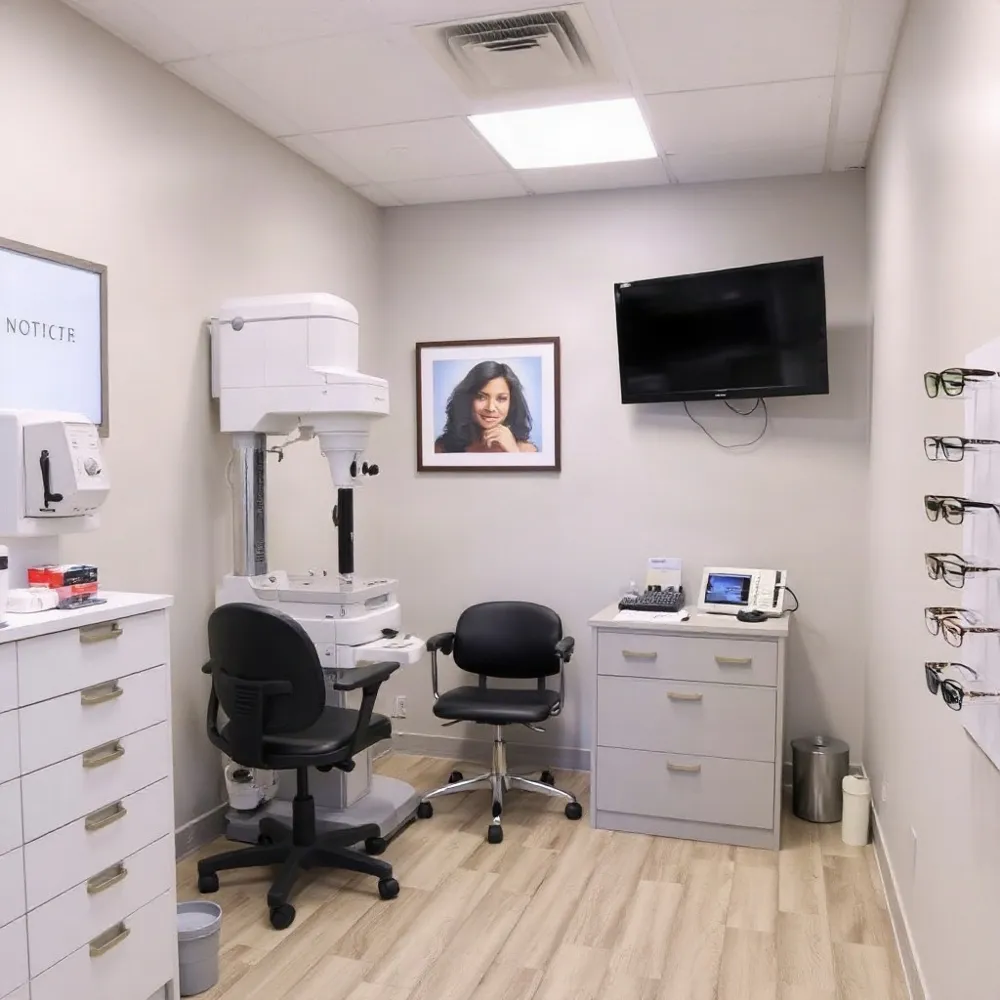 What should I do if my child suddenly develops blurry vision or eye pain? Arrange prompt medical evaluation rather than waiting to see if it passes. These symptoms can have different causes, and a clinician can assess what is happening and advise on the next step.
Seek urgent medical care if symptoms are severe, follow an eye injury or chemical exposure, or occur with marked redness or swelling, blood or pus, unequal pupils, trouble moving the eye, or sudden vision loss. Call 911 if vision changes occur alongside facial drooping, weakness, confusion, or trouble speaking. The American Academy of Ophthalmology’s guidance on children’s eye symptoms describes sudden vision changes and eye pain as signs that need professional attention.
Until your child is assessed, discourage rubbing or pressing on the eye, and do not use leftover eye drops. Families in Mission Valley and the greater San Diego area can contact Rio Vista Optometry to discuss next steps with Dr. Jesse A. Camen. The practice offers comprehensive eye care, but this is not a substitute for emergency evaluation when symptoms are urgent.
Plan for Coverage Before Booking
Before booking, check how your plan handles your child’s visit. Coverage can vary by plan, age, and whether the appointment is a routine comprehensive eye exam or a medical visit for a specific concern.
Call your insurer or review your benefits portal. Ask whether pediatric eye exams are covered, which providers are in network, what copays or deductibles apply, and whether there are limits on glasses or contact lenses. A screening through a pediatrician may be covered differently from a comprehensive exam, so confirm which service you are considering.
Families in Mission Valley and greater San Diego can contact Rio Vista Optometry before scheduling to ask about insurance and payment options. The team can help clarify practical next steps for an appointment with Dr. Jesse A. Camen.
Trust Your Observations
You do not need to know what is causing a change in your child’s vision or behavior. Share what you have noticed, when it happens, and any screening results with an eye care professional. An exam can help clarify whether vision is involved and what steps, if any, may help.
Families in Mission Valley and greater San Diego can discuss their concerns with Dr. Jesse A. Camen at Rio Vista Optometry. The practice offers comprehensive eye exams and personalized recommendations in a friendly, family-like setting.