Protecting Vision Through Every Season
For San Diego residents, getting older may bring changes in how clearly you see, but those changes do not automatically have to limit your independence or enjoyment of daily life. Noticing what feels different and seeking appropriate care can help you make informed choices about reading, driving, and other everyday activities. The American Optometric Association’s guidance for adults over 60 explains why awareness and regular care matter.
Some eye conditions develop without early symptoms, so clear-feeling vision is not a reliable measure of eye health on its own. A comprehensive exam can help identify changes that may not yet affect what you notice day to day. At Rio Vista Optometry, Dr. Jesse A. Camen provides thorough eye exams and personalized recommendations for patients in Mission Valley and greater San Diego.
This guide covers practical ways to notice vision changes, keep up with eye care, and support comfortable sight in daily life. Small concerns are worth discussing, especially if they persist or begin to interfere with familiar tasks.
Recognizing Age Related Vision Changes
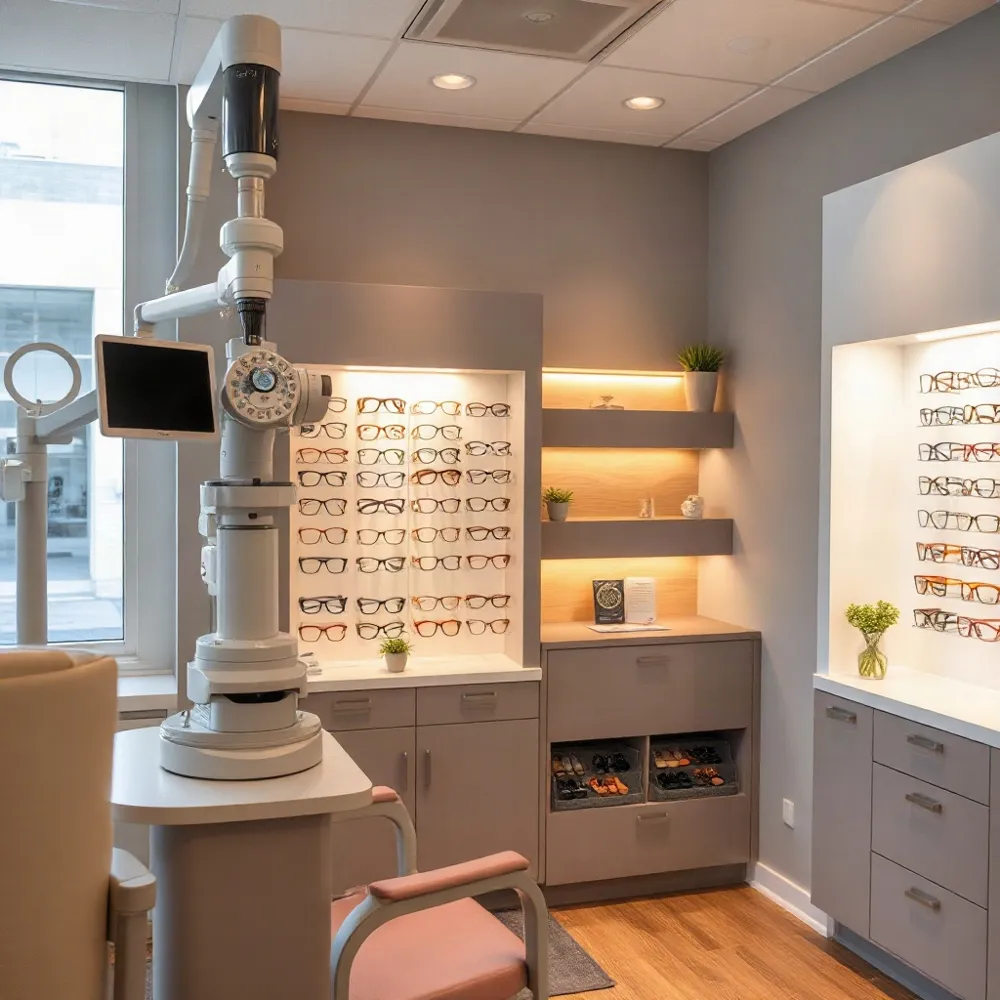 You may notice that small print is harder to focus on, reading takes brighter light, or your eyes need more time to adjust when you move between sunlight and a dim room. Dryness, glare sensitivity, colors that seem less vivid, and reduced night vision can also become more noticeable with age.
Some changes affect how clearly you see contrast, such as distinguishing a pale object against a similarly colored background. Cataracts can cloud vision and make colors seem duller, increase glare, and make low-light seeing harder. Age-related macular degeneration can affect central vision used for reading and recognizing faces, while glaucoma can gradually reduce peripheral vision.
Not every condition causes an obvious warning at first. Glaucoma and diabetic retinopathy may progress without noticeable early symptoms, so feeling that your vision is unchanged does not always mean your eyes are healthy. Diabetes, high blood pressure, some medications, and a family history of eye disease can make regular eye care especially important. The American Optometric Association’s senior vision guidance explains why routine exams and early attention matter.
New or persistent changes should not simply be written off as aging. A comprehensive eye exam can help distinguish common changes from concerns that need attention. At Rio Vista Optometry, Dr. Jesse A. Camen offers thorough, personalized eye care, including precise exams and ocular disease management, for patients in Mission Valley and greater San Diego.
Making Comprehensive Eye Exams Routine
 How often should adults have a comprehensive eye exam? The right schedule depends on age, vision, general health, and personal risk factors. The American Optometric Association recommends annual examinations for adults over 60, while other guidance allows different intervals depending on age and individual circumstances. Ask your eye-care professional what timing fits your needs, especially if you are over 65, have diabetes or an existing eye condition, or have a family history of eye disease. The association’s senior vision guidance explains why regular visits matter.
Do not wait for a scheduled visit if you notice a sudden or ongoing change in your sight. Some eye diseases can develop without noticeable early symptoms, so an exam may uncover a problem before it affects everyday vision. Regular visits also help keep glasses or contact lens prescriptions current.
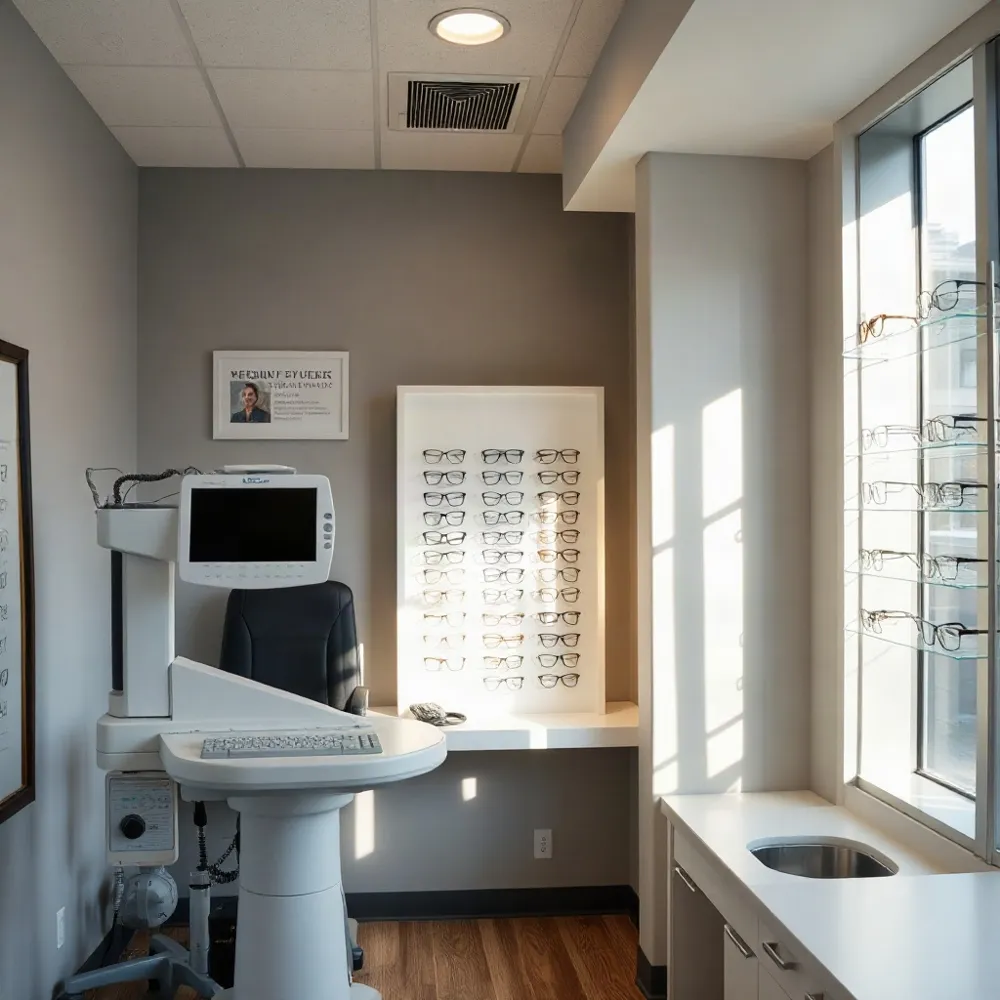
What happens during a comprehensive eye exam? Dr. Jesse A. Camen will ask about your vision, eye health, medications, and relevant medical history. He will check how clearly you see at different distances, whether your prescription needs updating, and how your eyes work together.
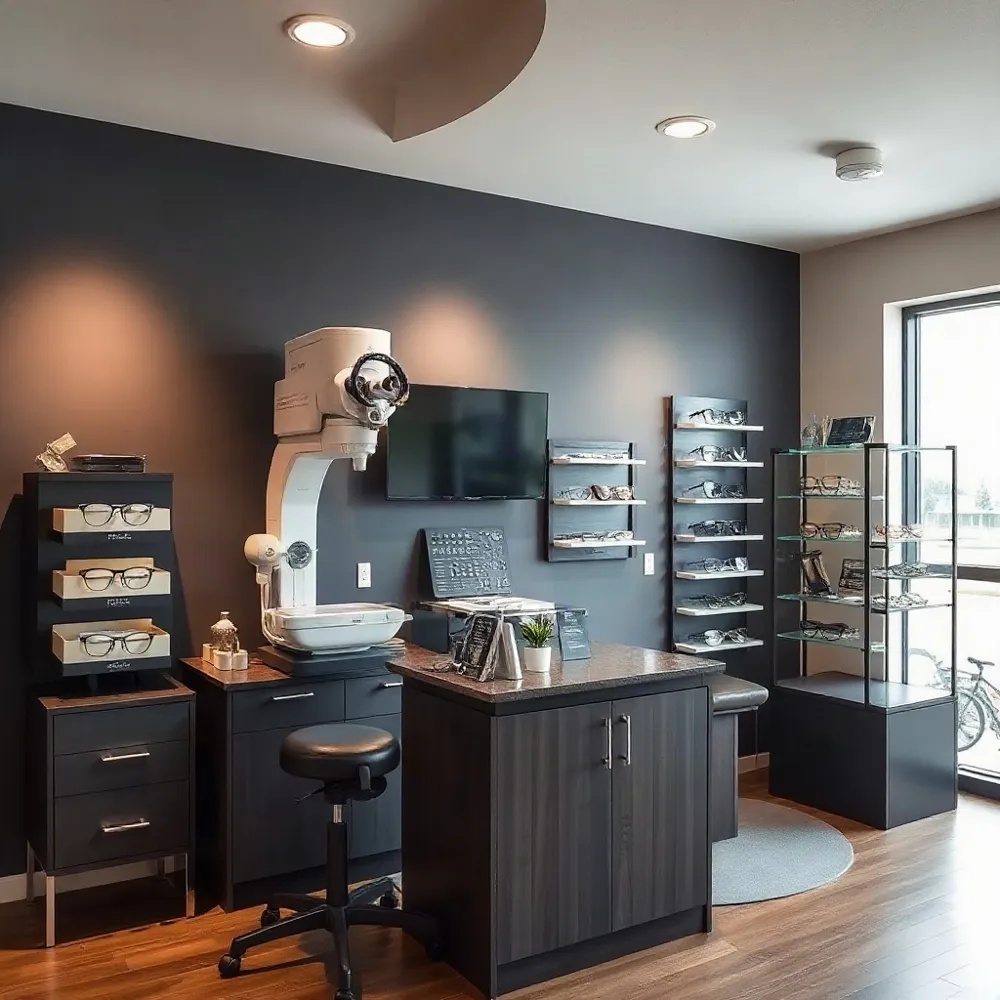
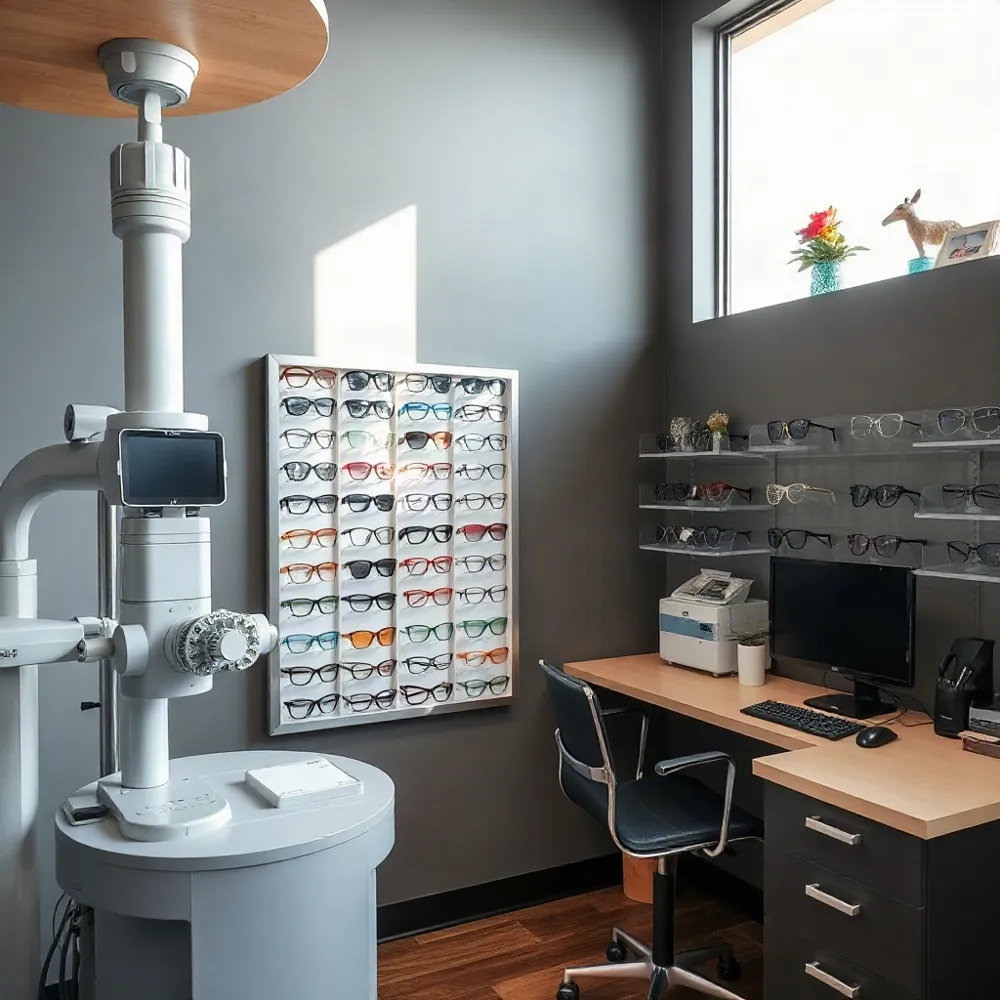
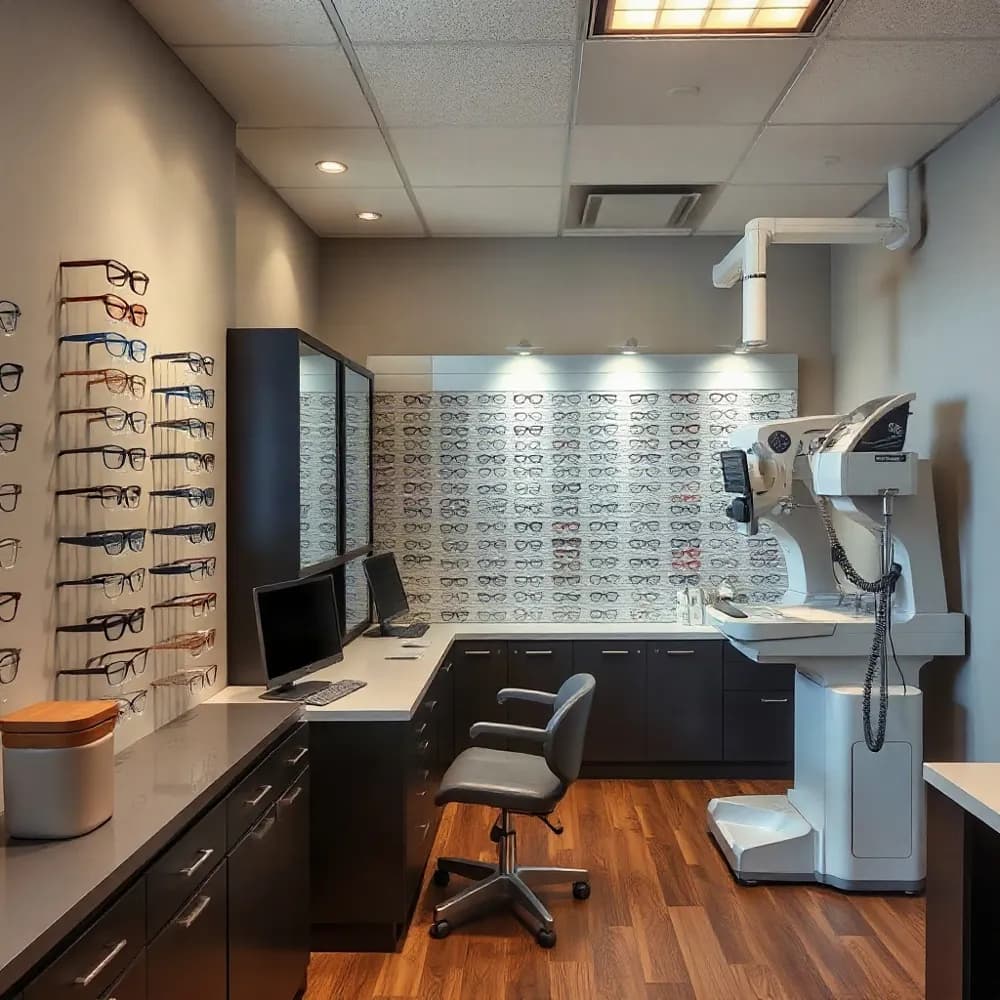
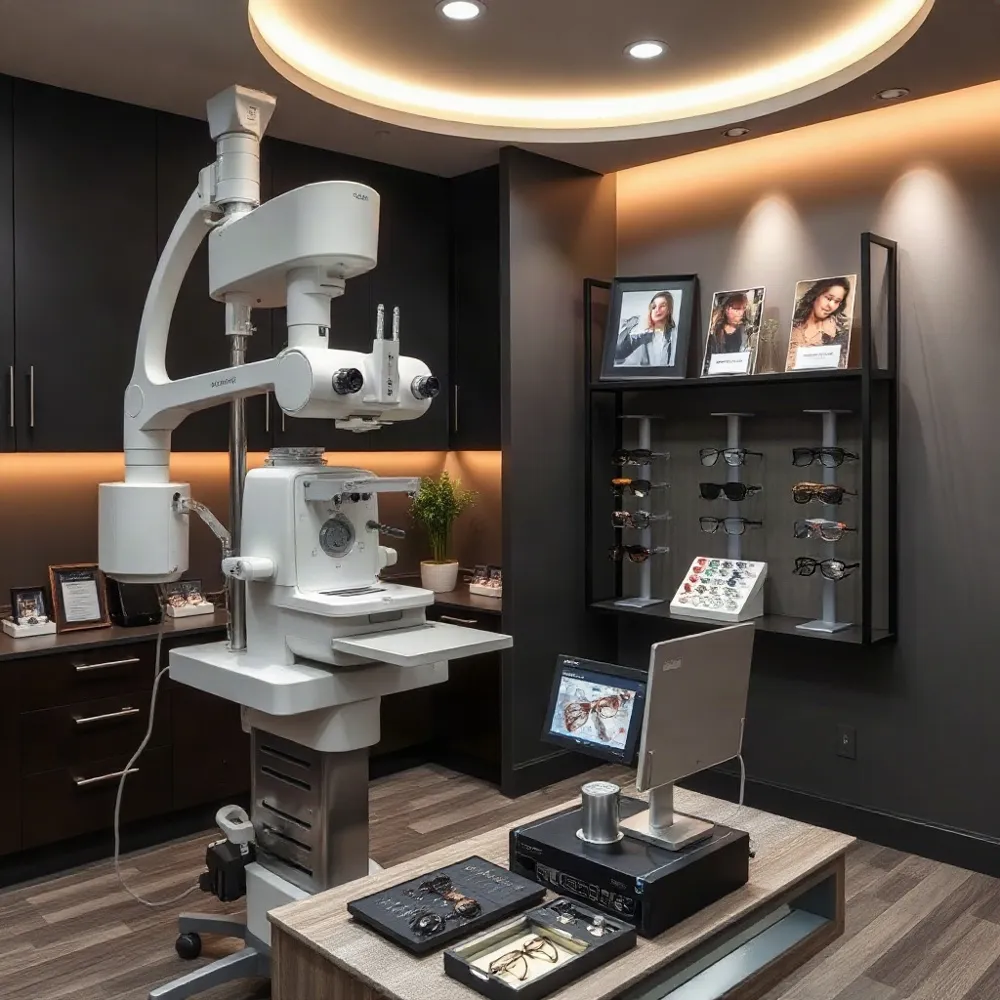
The exam also assesses eye health, including the front and internal structures. Depending on your history and findings, tests may include checks of peripheral vision or eye pressure. Dilation may be used to widen the pupils so the retina can be examined. Rio Vista Optometry’s modern diagnostic equipment supports a thorough evaluation and personalized recommendations.
Dr. Camen can explain what the findings mean, answer your questions, and discuss appropriate next steps. At Rio Vista Optometry, thorough, honest exams give San Diego-area patients room to talk through their vision needs without feeling pressured.
Supporting Vision With Everyday Habits
How can I help protect my eyesight as I get older? Everyday choices can support eye health, but they cannot guarantee that eye disease will not develop. Avoid smoking, eat a varied diet with fruits and vegetables, stay physically active, and work with your health professionals to manage conditions such as diabetes and high blood pressure.
When you are outdoors, wear sunglasses that block both UVA and UVB rays, and add a brimmed hat for extra shade. The CDC’s vision-protection guidance also recommends protective eyewear for activities that could injure the eyes.
Driving habits can help address changes in glare tolerance or side vision. Take extra care at intersections, turn your head to check areas you may not see peripherally, and keep your windshield and glasses clean. If night vision or headlight glare makes driving difficult, consider slowing down or limiting trips to daylight. Frames with wide temples can narrow side vision, so narrower styles may be preferable behind the wheel.
For long stretches of screen use, the CDC’s 20-20-20 guidance is to look at something about 20 feet away for 20 seconds every 20 minutes. Dr. Jesse A. Camen at Rio Vista Optometry can help tailor eye-health advice to your vision and health history. Regular comprehensive exams remain important, particularly when an ongoing health condition may affect your eyes.
Finding Practical Ways to See More Comfortably
Age-related vision changes may not be reversible, but the right care can often improve comfort or make everyday tasks easier. What helps depends on the cause, so an eye exam can clarify whether a prescription change, treatment, or another support may be appropriate.
For example, presbyopia can make close-up tasks such as reading more difficult. Updated glasses or contact lenses may help, and brighter lighting at home can make print easier to see. Dry eye is also common among older adults and can affect both comfort and clear vision. If irritation or fluctuating blur persists, discuss it with an eye-care professional. Rio Vista Optometry offers dry eye treatment and personalized recommendations, so patients can talk through options with Dr. Jesse A. Camen.
When lasting vision loss affects daily activities, low-vision rehabilitation can help a person make better use of remaining sight and maintain independence. An optometrist can help identify approaches suited to a person’s needs, as described in the American Optometric Association’s guidance on senior vision.
Possible aids include handheld or spectacle-mounted magnifiers for close work, telescopes for viewing at a distance, and video magnification systems that adjust image size or contrast. Large-print materials, audiobooks, and talking watches can also make familiar tasks more manageable. The best combination varies, so ask an optometrist which options fit your vision and routines.
At Rio Vista Optometry, Dr. Jesse A. Camen can discuss practical ways to address vision concerns and recommend next steps based on an evaluation. The practice serves Mission Valley and the greater San Diego area with comprehensive eye care and a thorough, personalized approach.
Responding Promptly to Sudden Symptoms
 What should I do if I suddenly develop blurred vision? Seek medical help promptly rather than waiting for a routine appointment or assuming the blur will pass. Call 911 or go to an emergency department if it is severe or comes with weakness, facial drooping, trouble speaking, confusion, or a sudden severe headache. Eye pain or redness, flashes, new floaters, a dark curtain or missing area of vision, or a recent eye or head injury also needs urgent assessment. These symptoms can have different causes, so do not try to diagnose them yourself. Urgent eye symptoms warrant professional attention.
Do not drive while your vision is impaired. If sudden changes occur without the emergency warning signs above, contact an eye-care professional right away for guidance. Dr. Jesse A. Camen and the team at Rio Vista Optometry can help San Diego patients determine an appropriate next step.
What does eye strain feel like, and when should I get help? After prolonged screen use, reading, or driving, eyes may feel tired, sore, dry, itchy, burning, or watery. Temporary blur, light sensitivity, headaches, or trouble concentrating can also occur. Rest and regular screen breaks may help; the CDC’s 20-20-20 guidance suggests looking about 20 feet away for 20 seconds every 20 minutes.
Arrange an eye exam if discomfort or blur persists or does not improve with simple self-care. Seek prompt care for sudden or significant vision changes or severe eye pain. At Rio Vista Optometry, a thorough evaluation can help assess possible causes such as dry eye or an outdated prescription and guide personalized care.
Planning Care With a Local Eye Doctor
For residents of Mission Valley and the greater San Diego area, Rio Vista Optometry offers comprehensive eye care in a friendly, family-like setting. Dr. Jesse A. Camen, a California-licensed optometrist, emphasizes thorough, honest exams and personalized recommendations.
How much does a comprehensive eye exam cost, and can you use insurance? The cost depends on the services your eyes need and your insurance plan, so there is no single price that fits everyone. Coverage and out-of-pocket costs vary by plan.
Before your visit, check your benefits with your insurer and ask the practice team to review expected charges, coverage, and payment choices. This can help you plan without surprises.
Bring questions about vision changes, health or family risk factors, exam timing, and eyewear options. Dr. Camen and the team can discuss your concerns and help you understand your choices.
Keep Your Next Step Simple
Notice changes in your sight, and seek prompt care for sudden symptoms rather than waiting to see if they pass. Regular comprehensive exams matter even when your vision seems stable, since some eye conditions develop without obvious warning signs. The American Academy of Ophthalmology’s guidance for older adults explains why routine exams can help identify problems early.
San Diego residents can talk with Dr. Jesse A. Camen at Rio Vista Optometry about their eye health, risk factors, and questions about daily vision. His thorough, personalized approach can help you decide on a practical next step.