Make Your FSA Work for Your Vision
If you have money set aside in a flexible spending account (FSA), it may help pay for eligible vision care, including prescription contact lenses. The IRS explains that FSAs can cover qualified medical expenses such as vision care and eyeglasses, but your employer’s plan determines which expenses qualify and how to submit a claim.
For San Diego residents, it helps to check your account rules before ordering lenses or booking care. Ask your plan administrator about eligible expenses, required receipts, and payment or reimbursement steps. Non-prescription colored contacts may not qualify because they do not correct vision.
At Rio Vista Optometry, Dr. Jesse A. Camen can discuss your contact lens needs, prescription, and eye exam. The practice also assists with insurance and payment questions, so you can clarify the care you need while confirming FSA coverage with your plan.
Which Vision Expenses May Qualify
Can I use my FSA to pay for vision care?
Generally, yes. Many health FSAs can cover eligible vision care, including eye exams, prescription glasses, and prescription contact lenses. The IRS explains that FSA coverage depends on the employer’s plan, so check your account’s rules before paying.
Confirm whether you have a regular health FSA or a limited-purpose FSA, which may restrict coverage to expenses such as vision and dental care. Contact lens solution and cases may qualify too, but eligibility can vary. Keep itemized receipts and any documentation your administrator requests.
Are prescription glasses, contact lenses, and solution FSA-eligible?
Prescription glasses and contact lenses generally qualify because they correct vision. Non-prescription colored contacts worn only for appearance are different, so ask your administrator if you are unsure about a particular product.
FSA funds may also help pay eligible costs that remain after vision insurance contributes toward prescribed contacts. For example, if your plan provides an allowance, you may be able to use FSA funds for some of the uncovered balance, subject to your account’s rules.
During an eye-care visit, the team at Rio Vista Optometry can help you review payment options, while your administrator confirms what your plan will reimburse. Dr. Jesse A. Camen provides eye exams and personalized guidance on eyewear and contact lens needs for San Diego patients.
Colored Contacts and FSA Eligibility
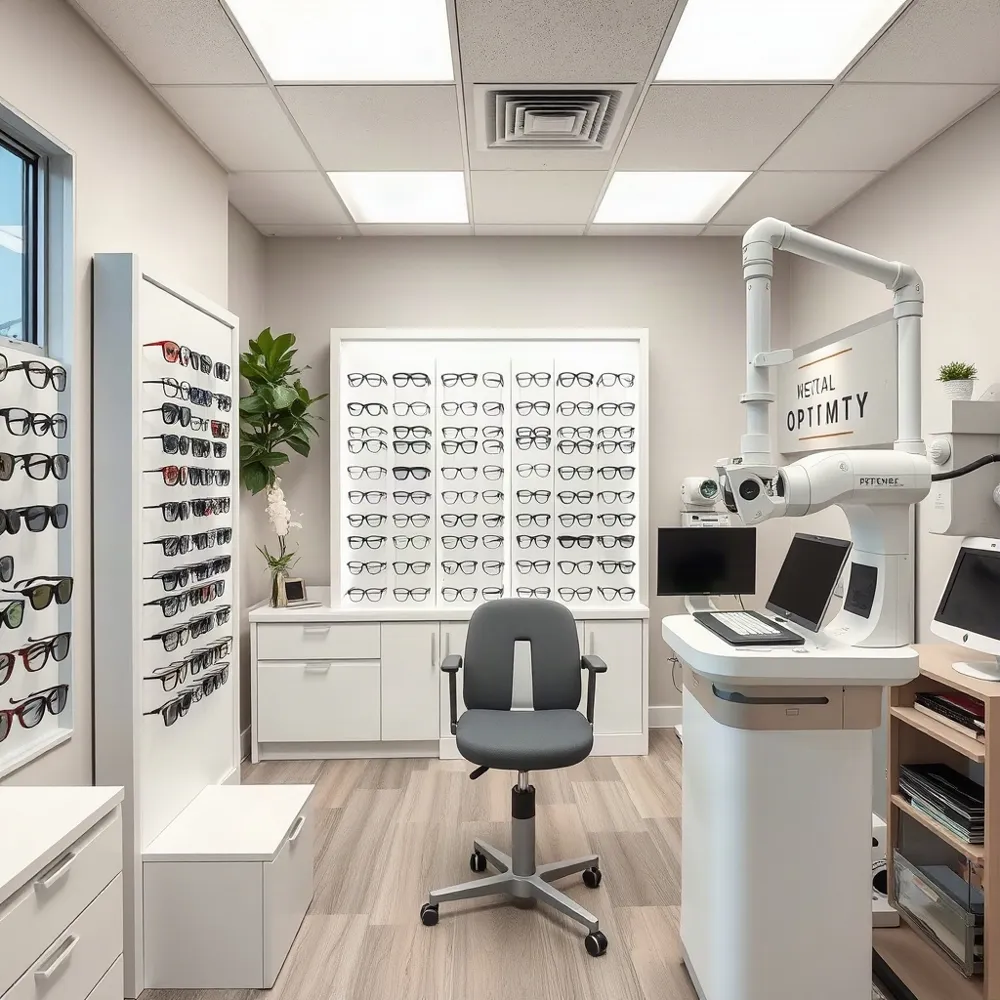
Can I use my FSA for colored contact lenses?
It depends on whether the lenses correct your vision. Colored contacts prescribed to address a vision need may qualify as an FSA expense, subject to your plan’s rules. Nonprescription lenses worn only to change your eye color are generally considered cosmetic and typically aren’t eligible.
Contact lenses are medical devices, and the right type and fit depend on your eyes and vision needs. The Cleveland Clinic’s guide to contact lenses explains why an eye doctor can help you choose and use lenses safely.
If you’re curious about colored lenses, Dr. Jesse A. Camen at Rio Vista Optometry can discuss your options and whether they suit your eyes. Keep a copy of your prescription and an itemized receipt with the purchase details. Before buying, confirm with your FSA administrator that the prescribed lenses qualify and ask what documentation it requires for reimbursement.
Paying With Your FSA or Seeking Reimbursement
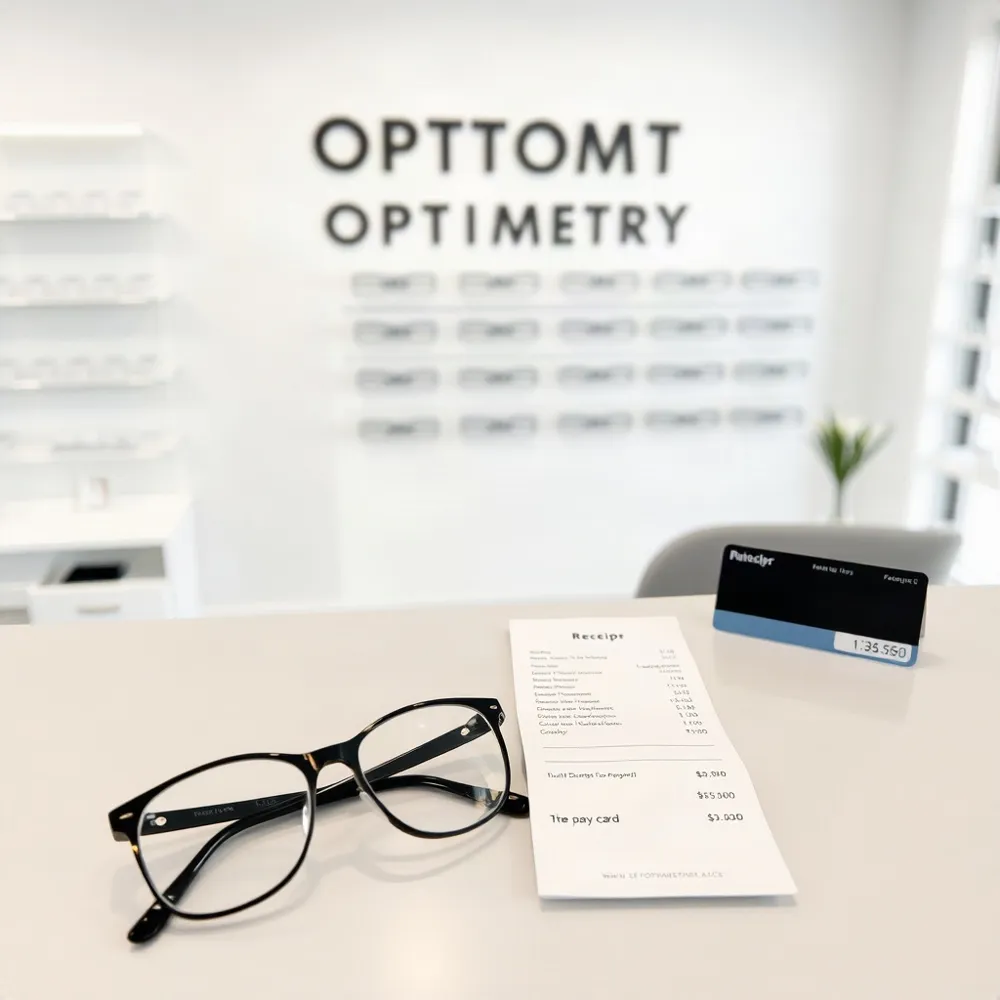 How do I use my FSA or request reimbursement for vision expenses? If your plan provides an FSA payment card, you may be able to use it for eligible care, such as an eye exam or prescription eyewear, when both your plan and the seller allow it. FSA rules and claim procedures depend on the employer’s plan, as the IRS explains.
If you cannot pay directly with an FSA card, pay out of pocket and submit a claim through the administrator’s approved process. That may be an online portal, a mobile app, or another method specified by your plan. Check the instructions and filing deadline before you send anything, since requirements can differ between plans.
Keep an itemized receipt and a copy of every document you submit. Useful details include the patient and provider names, the service or item, the date, and the amount paid. Your administrator may ask for other information or proof, so a card statement alone may not provide enough detail.
For care at Rio Vista Optometry, the team can help you understand what documentation to request, while your FSA administrator determines whether the expense qualifies and what a claim must include. Dr. Jesse A. Camen provides eye exams and personalized recommendations, so ask for the appropriate receipt when arranging your visit.
Plan Deadlines and Smart Preparation
Before using FSA funds for contacts, check when your plan year ends and how much money remains in your account. Many FSAs follow a use-it-or-lose-it rule, though an employer may offer a grace period or limited carryover. Neither option is automatic, so confirm your plan’s terms rather than assuming unused funds will remain available. The IRS guidance on FSAs explains that plan rules determine whether these options apply.
Ask your employer or plan administrator to confirm your balance, deadline, rollover provisions, contribution rules, and which expenses qualify. Contribution limits and benefit rules can change, so an old figure may not apply to your current plan. A payment card can make checkout easier, but it does not guarantee that a purchase qualifies or that no further documentation will be requested. Keep itemized receipts and follow your plan’s claim instructions.
Plan purchases around what you will realistically wear, and make sure your contact lens prescription is current before ordering. Avoid buying a larger supply just to use remaining funds if you may not need it or your prescription could change. At Rio Vista Optometry, Dr. Jesse A. Camen provides eye exams and personalized contact lens guidance, while patients can confirm FSA eligibility and reimbursement requirements with their own plan administrator.
Check Your Plan Before You Buy
Before placing an order, confirm with your FSA administrator that the contacts or related service qualify under your plan. The IRS notes that eligible expenses and claim procedures depend on the employer’s plan, so check both before paying.
Find out whether you can pay with an FSA card or must pay first and submit a claim. Keep itemized receipts and note the submission deadline, along with any plan-year spending deadline or carryover rule.
If you’re in San Diego and have questions about contact lenses, an eye exam, or payment options, Dr. Jesse A. Camen and the team at Rio Vista Optometry can help with your eye-care questions. Your FSA administrator is the right source for confirming whether a specific purchase qualifies and what documentation is required.