When Home Care Isn't Enough
Dry eye is a common condition that often starts with simple, at-home remedies. Warm compresses, preservative-free artificial tears, and taking screen breaks can make a real difference for millions of people. These strategies help manage mild symptoms and are a great first step toward comfort.
But for some San Diego residents, home care falls short. If you still feel a stinging, burning, or scratchy sensation in your eyes after trying over-the-counter drops, or if your vision blurs when you read or use the computer, it may be time to look for a more targeted solution.
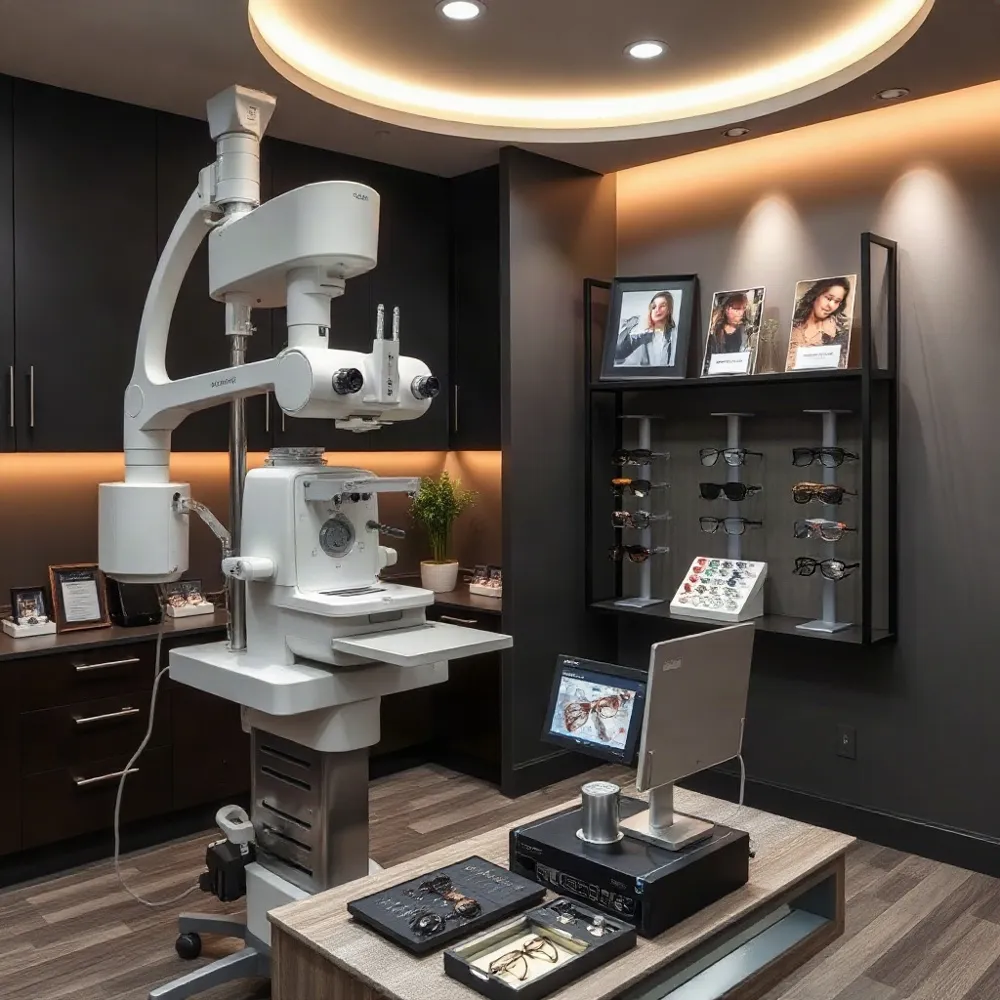
Recognizing that your current routine isn't providing lasting relief is the first step toward real change. At Rio Vista Optometry in Mission Valley, the focus is on identifying the root cause of your discomfort. Dr. Camen uses advanced diagnostics and personalized treatment plans to go beyond what drops can do, helping you find sustained comfort and clearer vision.
Understanding What Causes Dry Eye
 Dry eye occurs when your eyes don't produce enough tears or when the tears you do produce evaporate too quickly. It is a common condition, but understanding what is happening beneath the surface is the first step toward real comfort.
A healthy tear film is made up of three layers: an oily lipid layer that prevents evaporation, a watery aqueous layer that provides moisture and nutrients, and a mucus-like mucin layer that helps tears spread evenly across the eye. When any of these layers are disrupted, the eye surface becomes unstable, leading to irritation.
The most common cause of evaporative dry eye is meibomian gland dysfunction (MGD), where the tiny oil-producing glands along the eyelid edges become blocked or don't function properly. Without enough oil, the tear film evaporates too quickly, leaving the eye exposed and irritated. Other causes include natural aging, hormonal changes, environmental factors like dry air or wind, and certain medications such as antihistamines and antidepressants.
Systemic health conditions can also contribute. Autoimmune diseases like Sjögren's syndrome, rheumatoid arthritis, and thyroid disorders are known to affect tear production and quality. This is why a thorough evaluation is so important.
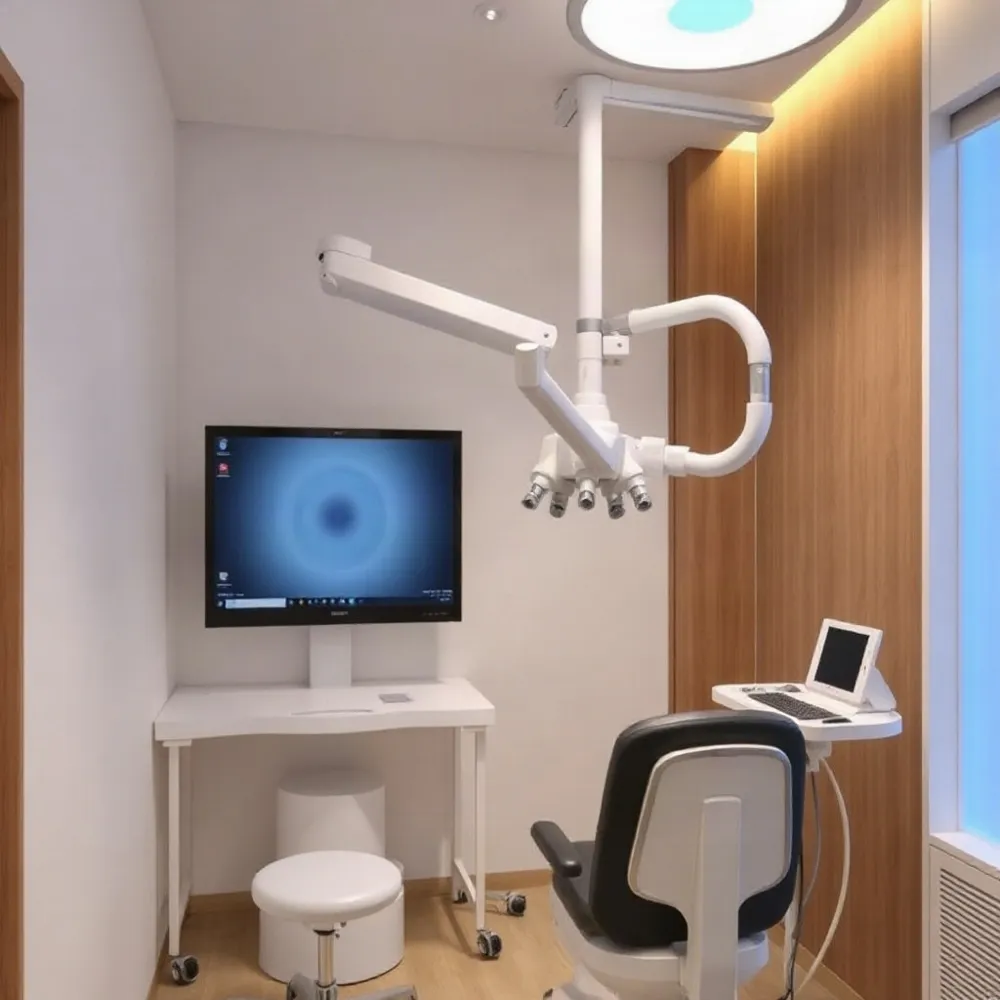
At Rio Vista Optometry, Dr. Camen uses advanced diagnostic tools to identify the exact cause of your dry eyes, whether it is MGD, an autoimmune-related issue, or something else. Rather than guessing with off-the-shelf drops, you receive a personalized understanding of what is driving your symptoms.
Recognizing When Symptoms Go Beyond Mild Discomfort
 For many people, dry eye starts as a minor annoyance — a bit of scratchiness after a long day at the computer, or some stinging in a breezy outdoor spot. But when those sensations become a daily struggle, it's a clear signal that your home routine isn't keeping up.
Signs That Home Remedies Aren't Enough
If you find yourself reaching for artificial tears every hour, or waking up with a gritty feeling that never fades, your dry eye has moved beyond the mild stage. Severe burning, stinging, and a persistent scratchy sensation are classic signs that the tear film is struggling to protect your eyes. When your vision becomes blurry and fluctuates — especially while reading or driving at night — it's a strong indicator that your eyes aren't getting the lubrication they need.
Difficulty wearing contact lenses and trouble driving in dark conditions are additional red flags. Many people are surprised to learn that watery eyes are a common symptom of dry eye. Your body overproduces low-quality tears to compensate, but they evaporate too quickly to provide any real comfort.
Sensitivity to light, stringy mucus in or around the eyes, and persistent eye fatigue are further indicators that the problem is chronic. If any of these symptoms have lasted for weeks or months, it's time for a professional evaluation. At Rio Vista Optometry, Dr. Camen uses advanced diagnostic tools like TearCare and LipiFlow to assess the root cause of your discomfort and recommend effective solutions — so you can get back to feeling like yourself.
When to Worry: Understanding the Risks
 Most cases of dry eye are not dangerous. They are a common, manageable source of discomfort that can usually be improved with lifestyle changes and proper eye care. However, when symptoms become severe or chronic, the situation changes. Persistent, untreated dry eye can lead to real complications that go far beyond simple irritation.
A healthy tear film does more than just keep your eyes comfortable. It protects the surface of your eye from infection and damage. When that protective layer is compromised, your eyes become vulnerable. Chronic dry eye can lead to inflammation, abrasion of the cornea, corneal ulcers, and, in severe cases, vision loss. The Mayo Clinic notes that if left untreated, severe dry eyes may lead to eye inflammation, abrasion of the corneal surface, corneal ulcers and vision loss. The risk of eye infections also increases because tears play an important role in washing away bacteria and debris.
Chronic dry eye can also be a signal of a deeper health issue. It is often associated with underlying systemic conditions, including autoimmune diseases like Sjögren's syndrome and rheumatoid arthritis, as well as thyroid disorders and diabetes. This is why it is important to take persistent symptoms seriously and not dismiss them as just a minor annoyance.
Addressing dry eye early with professional care is the best way to protect your long-term vision and overall health. At Rio Vista Optometry, Dr. Camen evaluates the severity of your condition to determine whether your dry eye is caused by environmental factors or a more significant underlying health issue. The practice's comprehensive dry eye evaluation helps identify the root cause, allowing for a treatment plan that goes beyond temporary relief and targets the real problem. By taking action promptly, you can prevent discomfort from developing into something more harmful and keep your eyes healthy for years to come.
Effective Home Strategies for Managing Symptoms
For mild or temporary dry eye symptoms, simple home routines can often bring noticeable relief. These strategies support the tear film and address everyday factors like screen use or dry indoor air, but they have limits. If symptoms persist or worsen, it's a sign that your eyes need professional attention to address the root cause.
Daily Warm Compresses and Lid Hygiene
Applying a warm, damp washcloth over closed eyes for 5 to 10 minutes a day helps unclog the meibomian glands and improve the oil layer of your tears. Following up with gentle eyelid massage and a mild, preservative-free cleanser can further reduce inflammation and keep the glands working properly.
Screen Breaks and Blinking Exercises
Extended screen time reduces blink rate, which allows tears to evaporate faster. Following the 20-20-20 rule — every 20 minutes, look at something 20 feet away for 20 seconds — helps re-wet the eye surface. Conscious blinking exercises, where you close your eyes fully for two seconds then gently squeeze, can also improve tear distribution.
Nutrition for Tear Health
Adding omega-3 fatty acids from foods like salmon, flaxseed, and walnuts — or from high-quality supplements — can reduce inflammation and support healthy meibomian gland function. Adequate intake of vitamin A, along with vitamins B6 and B12, also contributes to tear quality. Staying hydrated by drinking 8 to 10 glasses of water daily helps your lacrimal glands produce enough tears.
Environmental Adjustments
Simple changes at home and work can make a big difference. Using a humidifier adds moisture to dry indoor air, especially during winter. Wearing wraparound sunglasses outdoors blocks wind and dust, while avoiding direct exposure to fans, air conditioning, or cigarette smoke helps prevent tear evaporation.
Choosing the Right Eye Drops
Preservative-free artificial tears are the best choice if you need drops more than four times a day, as preservatives can irritate the eyes with frequent use. Avoid drops marketed for "redness relief" — they can cause rebound irritation over time and aren't suitable for long-term management.
Rio Vista Optometry offers a selection of dry eye products to support your home care routine, and patients can use the code CAMENEYE for 10% off purchases. If your symptoms don't improve with these strategies, a comprehensive evaluation can identify the underlying cause and lead to treatments that provide lasting relief.
Distinguishing Dry Eye from Other Conditions
Dry eye isn't the only condition that can make your eyes feel red, gritty, and uncomfortable. Allergies, blepharitis (eyelid inflammation), and conjunctivitis (pink eye) can cause very similar symptoms, making it hard to know what's actually going on.
Itchy eyes, for example, often point to allergic conjunctivitis rather than classic dry eye, where itching is usually mild and paired with a burning sensation or blurry vision. Even binocular vision issues — where your eyes struggle to work together — can create eye strain and discomfort that feels just like dry eye. Each of these problems requires a different treatment, and using over-the-counter drops without knowing the cause can leave the real issue completely untreated.
That's why a professional evaluation is so important. At Rio Vista Optometry, Dr. Camen uses advanced diagnostic tools to look beyond surface symptoms and identify the precise root cause — whether it's a tear film problem, an allergy, or something else entirely. The practice's thorough, honest approach means you get a treatment plan that's targeted to your specific condition, not a guess. With one of the biggest assortments of eyewear in San Diego and a warm, family-like atmosphere, Rio Vista Optometry makes it easy to get the right care and the right answers.
Will Dry Eye Resolve on Its Own?
A dry, scratchy feeling after a long day at the computer or a weekend in a breezy outdoor spot may fade once the trigger is gone. Mild dry eye caused by temporary factors like screen fatigue, seasonal allergies, or certain medications can improve on its own. The body's natural tear system may rebalance once the stressor is removed.
Chronic dry eye, however, is a different story. When symptoms are driven by underlying conditions such as meibomian gland dysfunction, inflammation, or age-related tear changes, they rarely disappear without targeted care. In fact, dry eye can gradually worsen over time if left untreated. Delaying treatment risks more than just discomfort. Prolonged tear film instability can damage the cornea, increasing the risk of infection and vision problems.
Over-the-counter artificial drops are a common first step, and they can provide welcome temporary relief. But they mask symptoms without correcting the root cause. Using them frequently, more than four times a day, can even introduce irritation from preservatives. Thicker ointments last longer but can blur vision, so they are better suited for bedtime.
Instead of waiting and hoping for symptoms to subside, a personalized evaluation at a trusted practice can make all the difference. At Rio Vista Optometry, Dr. Camen performs a comprehensive dry eye assessment to uncover exactly what is driving your discomfort, whether it is blocked oil glands, inflammation, or reduced tear production. From there, a tailored plan combining advanced in-office procedures such as LipiFlow or TearCare with targeted home care provides lasting relief that drops alone cannot deliver. It is a proactive path toward comfortable, clear vision.
Advanced Treatments for Lasting Relief
When home remedies and over-the-counter drops fail to provide lasting comfort, advanced treatments offer a more direct path to relief. These professional procedures target the root causes of dry eye, such as blocked meibomian glands and chronic inflammation, rather than just soothing symptoms temporarily.
Thermal Pulsation: LipiFlow and TearCare
For the millions of Americans whose dry eye stems from Meibomian Gland Dysfunction (MGD), treatments that deliver controlled heat and pressure can make a significant difference. LipiFlow uses a computer-controlled applicator to deliver precise heat and gentle pulsating pressure to the eyelids for about 12 minutes, effectively unblocking the oil glands and restoring the tear film's protective lipid layer. A single session can reduce symptoms for six months to a year.
Another leading option is TearCare, which uses soft, flexible eyelid devices that deliver gentle heat while allowing you to blink naturally during the procedure. After the heat application, the eye specialist manually expresses the loosened oils to clear blockages. The entire session typically takes less than 30 minutes, and many patients notice clearer vision and reduced reliance on artificial tears soon after.
Intense Pulsed Light (IPL) Therapy
Intense Pulsed Light (IPL) therapy targets the inflammatory component of dry eye disease. A handheld device delivers precise pulses of light to the eyelids and surrounding skin, reducing inflammation and improving the function of the meibomian glands. Each IPL session typically takes about 10 minutes, though treatment protocols often require multiple sessions spaced several weeks apart. This non-invasive procedure provides lasting relief for many patients whose symptoms are driven by inflammation and gland blockages.
Additional In-Office Options
Beyond the major treatments, several other advanced therapies are available to address specific underlying issues. iLux is a portable, handheld device that uses LED-based heat and gentle pressure to spot-treat individual eyelids, while MiBo Thermoflo combines a heating console with manual massage to express oils. BlepHex uses a rotating medical-grade sponge to remove excess bacteria and biofilm from the eyelids, helping manage blepharitis and complementing other gland-unblocking treatments.
Prescription Drops and Punctal Plugs
For patients whose primary issue is inflammation, prescription anti-inflammatory drops can be highly effective. Restasis (cyclosporine) works over three to six months to reduce inflammation and increase natural tear production, while Xiidra (lifitegrast) can provide relief within two weeks by targeting a specific inflammatory pathway. For cases of evaporative dry eye, Miebo (perfluorohexyloctane) is a newer option that stabilizes the tear film to reduce water loss.
Punctal plugs are tiny, biocompatible silicone devices inserted into the tear ducts to prevent drainage, keeping natural tears and any added drops on the eye's surface longer. The insertion takes only a few minutes per eye and is virtually painless. Many patients notice immediate improvement in moisture and comfort.
At Rio Vista Optometry, Dr. Camen combines thorough diagnostic testing, including tear film analysis and gland imaging, to identify the specific causes of each patient's dry eye. From there, a personalized treatment plan may incorporate one or a combination of these advanced therapies, ensuring the best possible path to lasting comfort and clearer vision.
Your Journey to Comfort at Rio Vista Optometry
When home remedies fall short, the path to lasting comfort begins with understanding what is actually happening in your eyes. At Rio Vista Optometry in Mission Valley, Dr. Camen starts with a comprehensive dry eye evaluation using advanced diagnostic tools. A test to measure tear volume (such as the Schirmer test) may be used alongside assessments of tear quality and meibomian gland function, which helps identify the root cause rather than just treating symptoms.
Based on the findings, treatment plans are highly personalized. For patients whose symptoms stem from blocked oil glands, in-office procedures like LipiFlow or TearCare can gently heat and massage the eyelids to restore natural oil flow. Other options, including Intense Pulsed Light (IPL) therapy, BlepHex eyelid cleaning, or MiBo Thermoflo, may be recommended for inflammation or gland dysfunction. The practice may also suggest prescription drops, punctal plugs to retain moisture, or targeted home care guidance.
What sets Rio Vista Optometry apart is the warm, family-like atmosphere. Dr. Camen is known for thorough, honest exams without overselling, helping each patient feel heard. Whether you are one of the estimated one in 10 U.S. adults affected by chronic dry eye, the practice is committed to providing relief you can trust. Conveniently located at 2195 Station Village Way Suite B, the office serves San Diego residents with flexible hours and insurance assistance. If home strategies are no longer enough, an evaluation at Rio Vista Optometry is the next step toward clearer, more comfortable vision.
Take the Next Step Toward Clearer, More Comfortable Vision
Many people reach for over-the-counter drops or a warm compress at the first sign of gritty, burning eyes. For mild, occasional dryness, those steps can offer quick relief. But when the scratchy feeling lingers day after day, or your eyes stay red and tired no matter what you try, it may be time to look beyond the medicine cabinet. Persistent dry eye often points to an underlying issue that home remedies simply can't reach.
Occasional dryness usually responds well to simple habits like blinking more often, using a humidifier, or taking a break from screens. The trouble starts when those habits stop working. According to the American Academy of Ophthalmology, dry eye happens when your tears aren't able to keep the surface of your eyes properly lubricated. That can mean your eyes don't produce enough tears, or that your tears evaporate too quickly. When this imbalance becomes chronic, it affects more than comfort; it can blur your vision, make reading or driving at night harder, and leave you constantly aware of your eyes.
The Mayo Clinic points out that beyond the classic gritty feeling, dry eye can show up as stringy mucus in or around your eyes, sensitivity to light, a burning or stinging sensation, or even watery eyes that paradoxically aren't lubricating well. If you notice redness, a feeling of something stuck in your eye, or discomfort when wearing contact lenses, those are all signs worth paying attention to.
When to See a Professional
So how do you know when it's time to stop self-treating and book an appointment? The University of California San Diego's Shiley Eye Institute advises that dry eye becomes a concern when it interferes with your daily activities. Gundersen Health System lists clear red flags: pain that doesn't subside with artificial tears, changes in vision, or dryness that accompanies other symptoms like joint pain or a skin rash. Duke Health adds that if you find yourself using drops more than a few times a day on a regular basis, that's a strong signal your eyes need a professional evaluation.
At Rio Vista Optometry, the team sees patients every week who have spent months trying drops and warm compresses on their own. Dr. Camen and her staff understand that persistent dry eye can feel frustrating and exhausting. That's why they begin with a thorough exam that goes beyond a simple sight check. Using modern diagnostic equipment, they can measure tear production, assess tear film quality, and examine the glands in your eyelids that produce the oily layer of your tears. This kind of detailed evaluation is what tells the difference between a minor annoyance and a chronic condition that needs targeted treatment.
Rio Vista Optometry offers dry eye treatment that goes beyond the basics. Rather than handing you a prescription and sending you home, they work with you to identify what's driving your symptoms. For some patients, that means treating an underlying eyelid inflammation called blepharitis. For others, it involves addressing meibomian gland dysfunction, where the glands that produce the oily layer of tears become blocked. The practice also treats dry eye as part of overall eye health, so they'll check for other conditions that can cause similar symptoms.
What Professional Treatment Looks Like
Professional dry eye care typically starts with a conversation about your symptoms and daily habits, followed by a comprehensive eye exam. The Mayo Clinic's dry eye diagnosis and treatment guide describes common tests: measuring tear volume with a small strip of paper, checking how quickly your tears evaporate, and examining your tear film under a microscope. These tests help your optometrist determine whether your problem is a tear production issue, a tear quality issue, or both.
At Rio Vista Optometry, the approach is hands-on and patient-centered. Dr. Camen brings experience from private, corporate, hospital, and military settings, which means she's seen dry eye present in many different ways. She uses that experience to build a treatment plan that fits your specific situation. For many patients, that includes in-office treatments combined with at-home routines that target the root cause rather than just masking the symptom.
The clinic also understands that dry eye treatment isn't one-size-fits-all. Some patients respond well to prescription eye drops that reduce inflammation. Others benefit from procedures that unblock the meibomian glands, allowing the tears to stay on the eye longer. Rio Vista Optometry will discuss all the options with you and help you understand what each treatment involves, including any downtime or follow-up visits you might need.
The Rio Vista Difference
What sets Rio Vista Optometry apart is the combination of clinical expertise and genuine care. Many practices rush through eye exams, but here you'll find a doctor who listens. The practice is known for its warm, family-like atmosphere, and patients often comment on how well the staff explains things. Dr. Camen won't push treatments you don't need, but she will be honest with you about what your eyes need to stay healthy and comfortable.
Rio Vista Optometry also makes getting the right care easier in practical ways. They offer one of the largest selections of designer eyewear in San Diego, so if your treatment plan includes prescription glasses for computer use or for dry eye-related vision changes, you'll have plenty of stylish options. They assist with insurance and payment plans, which means you can focus on your eye health without the financial stress. And because they're located in Mission Valley, it's easy to fit an appointment into a busy schedule.
If you've been living with dry, gritty, or tired eyes, you don't have to just put up with it. The first step is a comprehensive eye exam to find out what's really going on. Rio Vista Optometry is ready to help you find relief, so you can get back to enjoying your daily life without the constant distraction of eye discomfort. Whether you need a simple tune-up or a more involved treatment plan, the team there will walk with you every step of the way.