Seeing Beyond the Prescription
Your eyes do more than just help you see the world clearly. The retina, the light-sensitive tissue at the back of the eye, offers a unique window into your overall health. It is the only place in the body where blood vessels and nerve tissue can be viewed directly and non-invasively, making it an invaluable tool for early detection of systemic conditions.
Advancements in retinal imaging technology now allow eye care professionals to capture high-resolution images of the retina, macula, and optic nerve. These images can reveal early signs of diabetes, hypertension, and even neurodegenerative diseases like Alzheimer's, often before symptoms appear. This is transforming how diseases are managed, shifting the focus from reactive treatment to proactive, personalized care.
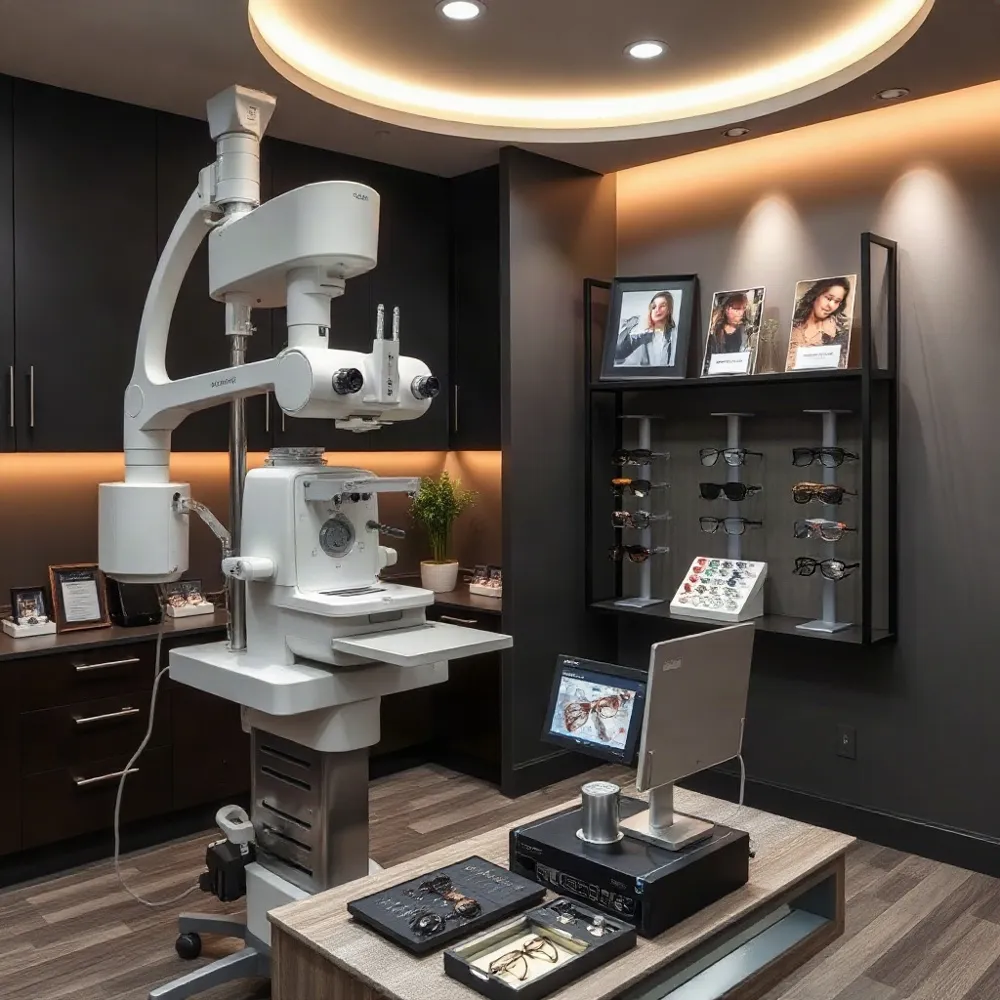
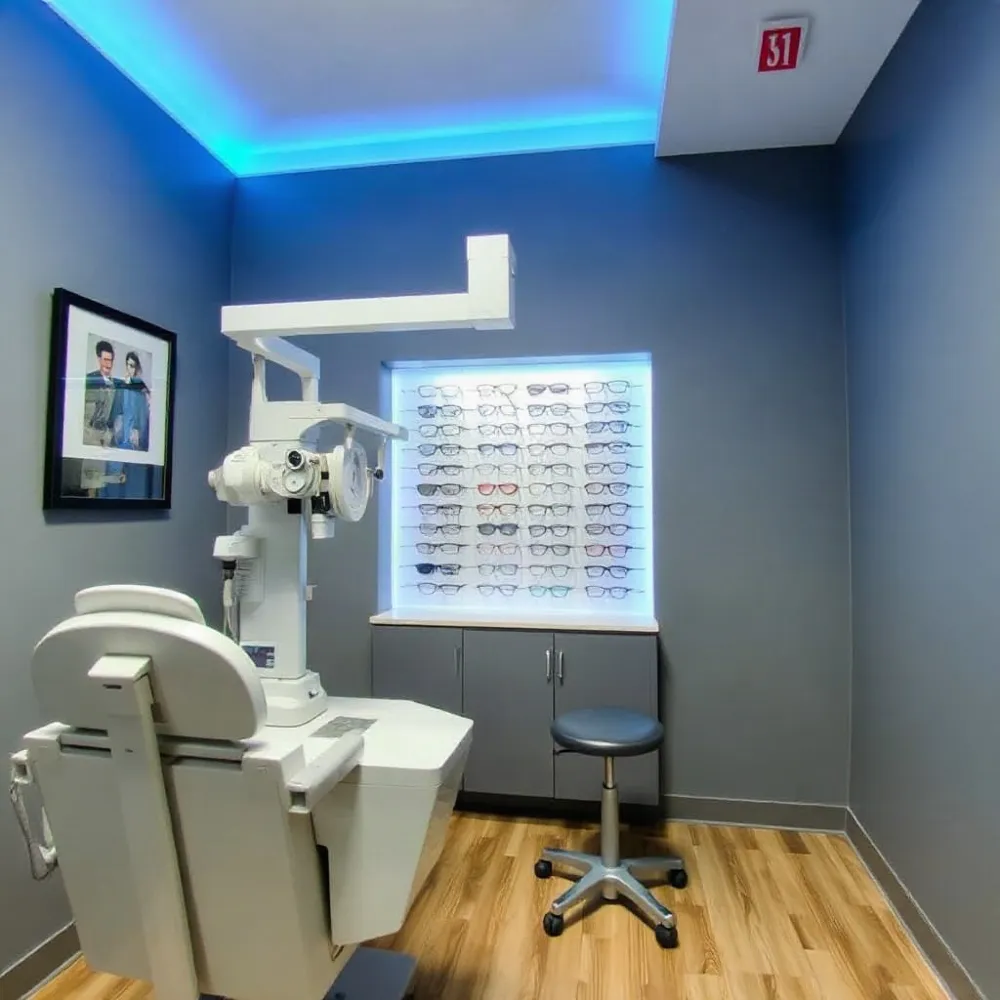
Instead of a one-size-fits-all approach, modern eye care is increasingly about tailoring plans to the individual. At Rio Vista Optometry, advanced diagnostic tools help create a detailed picture of your eye health, allowing for personalized recommendations that address your specific needs. This means earlier intervention, more effective treatment, and better long-term outcomes for both your vision and your overall well-being.
What Retinal Imaging Reveals About Your Health
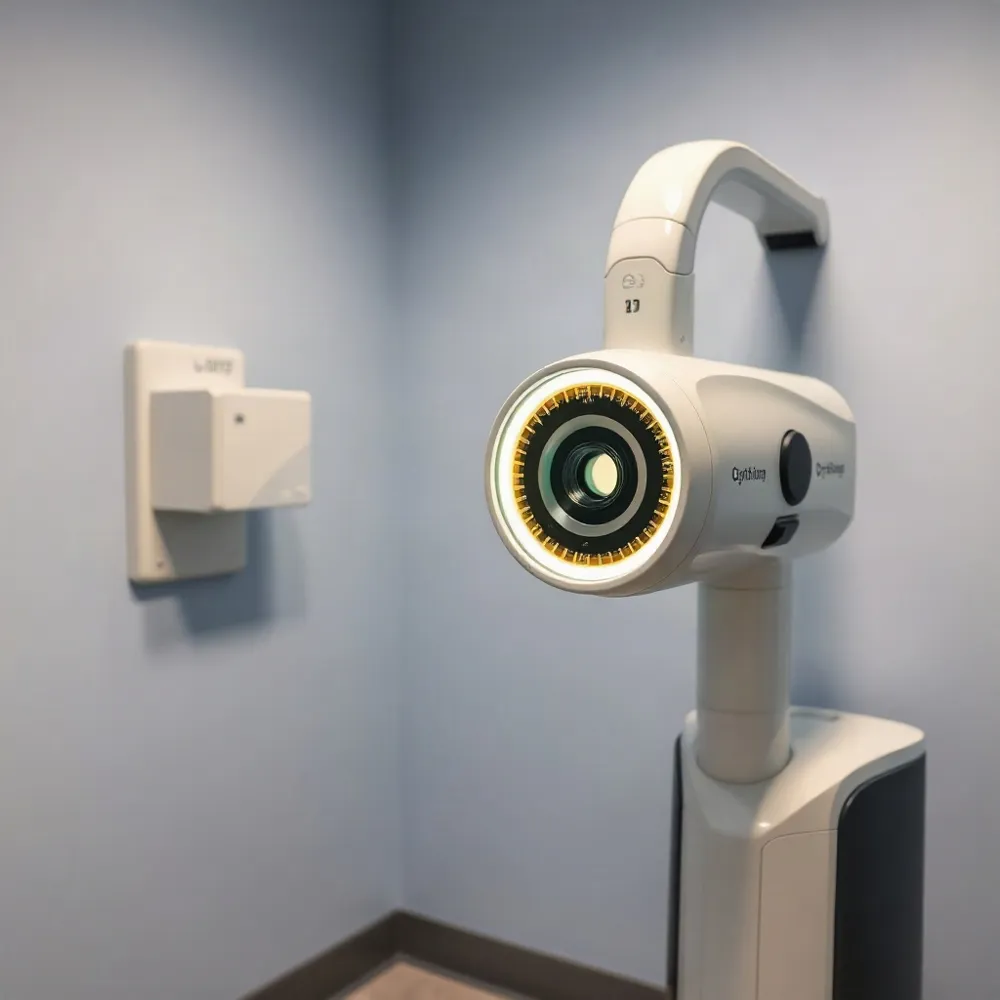 A single, high-resolution image of your retina can reveal far more than the health of your eyes. The retina is the only place in the body where microvascular and neural structures can be directly visualized in a non-invasive way. This makes retinal imaging a powerful diagnostic tool for catching both eye-specific conditions and broader systemic health issues early.
Common Degenerative Eye Diseases. Some of the most common degenerative eye diseases include age-related macular degeneration (AMD), which affects the central part of the retina, and diabetic retinopathy, a complication of diabetes that damages blood vessels in the eye. Glaucoma and cataracts are also frequently seen conditions that can impact vision over time. When these issues are caught early through regular, thorough eye exams, patients have the best chance to preserve their sight. At Rio Vista Optometry, we use modern diagnostic equipment to detect these conditions early and provide personalized recommendations tailored to your needs.
Optomap Retinal Exams. An Optomap retinal exam is highly recommended as part of your comprehensive eye care at Rio Vista Optometry. This quick, non-invasive scan captures a detailed, wide-view image of your retina, allowing Dr. Camen to detect early signs of glaucoma, macular degeneration, or diabetic retinopathy long before you notice any symptoms. Because many serious eye issues develop silently, this advanced imaging can be key to preserving your vision. It often eliminates the need for uncomfortable dilation drops, so you can get back to your day without blurry vision or light sensitivity.
Beyond the eyes, research has found that retinal characteristics can reflect abnormalities in many organs, including the brain, heart, liver, and kidneys. A study published by Wiley highlights that pathological changes like retinal microaneurysms can be indicative of systemic conditions such as diabetes and hypertension. Changes in retinal vascular caliber may mirror the systemic vascular remodeling seen in hypertensive patients. The retina acts as a natural 'mirror' of systemic vascular health.
The connection goes even deeper for the central nervous system. The optic nerve provides a unique link between the eye and the brain. Pathological thinning of the retinal nerve fiber layer, measurable with OCT, could signify early signs of neurodegenerative diseases like Alzheimer's and Parkinson's. This means that a simple, comfortable imaging session at your optometrist can provide clues about neurological health that were once only detectable through more invasive methods.
At Rio Vista Optometry, this kind of advanced imaging is part of our routine comprehensive exams. Dr. Camen uses these detailed images not just to assess your prescription, but to build a complete picture of your health, helping you stay ahead of potential problems and live your life with confidence in your vision.
How Eye Imaging Creates Your Personalized Plan
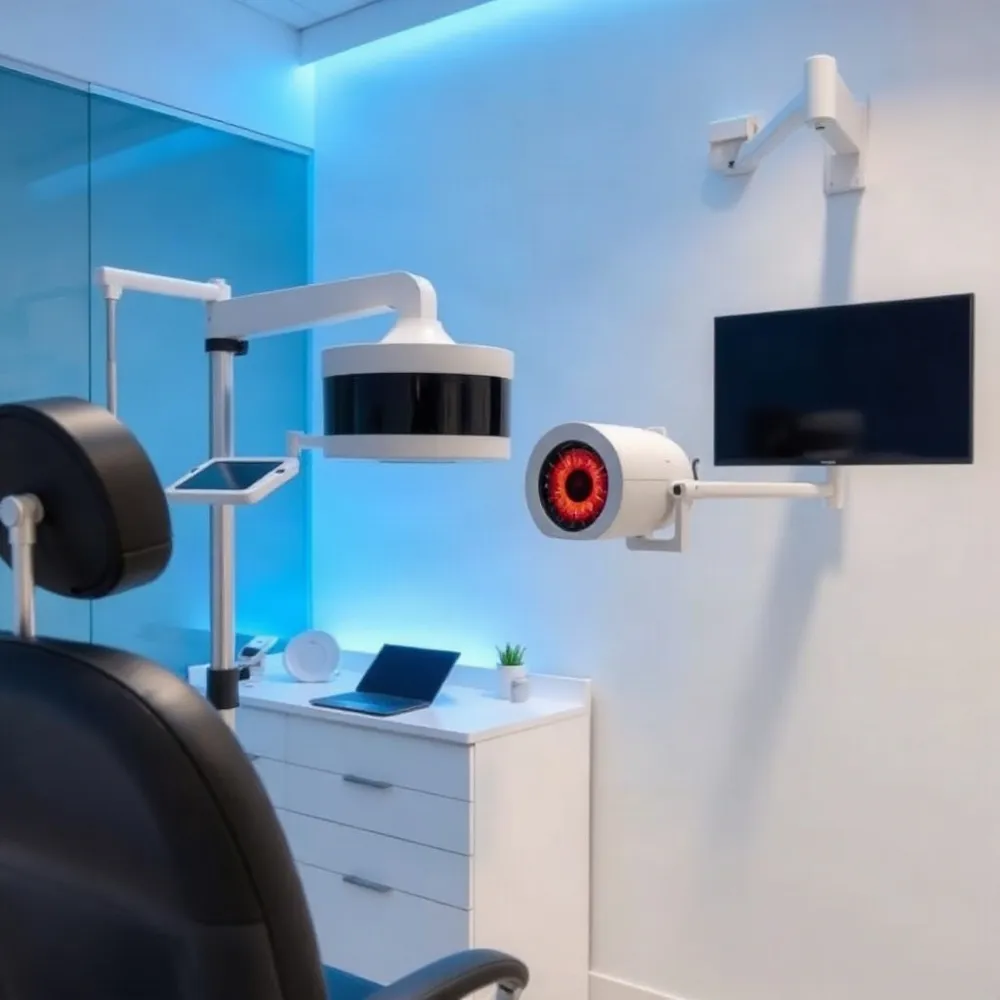 A single high-resolution image of your retina can do more than check for disease; it can become the foundation of a care plan built around you. At Rio Vista Optometry, we use advanced retinal imaging to capture the detailed structure of your retina, blood vessels, and optic nerve, creating a visual baseline that is unique to your eyes.
Over time, repeated imaging allows us to track subtle changes, whether from aging, lifestyle, or an emerging condition. This is especially valuable for managing progressive conditions like dry eye, glaucoma, and age-related macular degeneration. Instead of waiting for symptoms to appear, we can detect early signs and adjust your treatment proactively.
The Personalized Disease Management Plan (PDMP) framework, described in recent peer-reviewed research, shows how retinal imaging data can be combined with your medical history, lifestyle, and genetics to create individualized management strategies. This approach moves beyond a one-size-fits-all model, making follow-up frequencies and treatment choices far more effective.
For example, if imaging reveals early thinning of the retinal nerve fiber layer, we can initiate closer monitoring for glaucoma or neurodegenerative risks. If changes in retinal blood vessels point toward systemic conditions like hypertension or diabetes, we work with you to adjust your care plan. This proactive, data-driven approach is what sets personalized optometry apart.
Dr. Camen and the team at Rio Vista Optometry use this philosophy every day. By combining modern diagnostic tools like retinal imaging and OCT with honest, thorough exams, you leave with a clear understanding of your eye health and a written plan that evolves with you. It is precision medicine delivered with the personal attention Mission Valley families deserve.
Retinal Imaging and Systemic Disease Detection
 The retina is the only place in the human body where blood vessels and nerve tissue can be viewed directly and non-invasively. This unique access makes it a natural sensor for systemic health. Research has found that changes in the retina can reflect abnormalities in organs like the brain, heart, liver, and kidneys, often before symptoms appear elsewhere.
AI analysis of retinal images pushes this diagnostic power further. Algorithms trained on millions of fundus photographs can predict the risk of cardiovascular disease, dementia, and chronic kidney disease from a single image. For example, a study from Harvard Medical School used machine learning to identify patterns in the retina linked to these systemic illnesses, enabling earlier, more personalized intervention.
Specific conditions linked to retinal biomarkers include diabetes (microaneurysms), hypertension (vessel narrowing), Alzheimer's (thinning of the nerve fiber layer), and chronic kidney disease (reduced blood flow). AI models can detect these with high accuracy — AUC values of 0.85 to 0.93 for kidney disease and over 0.8 for neurological conditions. At Rio Vista Optometry, we use advanced retinal imaging to screen for these early signals, incorporating them into a personalized plan that goes beyond a standard prescription.
Understanding the Cost and Value of Retinal Imaging
For many San Diego residents, the idea of paying extra for something that sounds optional can feel unnecessary. A one-time retinal imaging scan typically costs between $25 and $60 out of pocket. When you consider what that small investment buys — a permanent, high-resolution map of the inner surface of your eye — the value becomes clear.
So, should you pay extra for retinal imaging? Absolutely. This quick, painless scan can detect early signs of glaucoma, diabetic retinopathy, and age-related macular degeneration long before symptoms appear. Studies show that retinal imaging can help predict the risk of systemic conditions such as cardiovascular disease and chronic kidney disease, often before standard lab tests detect anything wrong. At Rio Vista Optometry, Dr. Camen uses this technology as part of her honest, thorough approach to help you stay ahead of potential problems.
Why is retinal imaging not covered by insurance? Most standard vision and medical plans classify it as an elective advanced diagnostic, not a routine part of a basic eye exam. While insurance typically covers the traditional exam, the higher-resolution scan falls outside those benefits. The $25 to $60 charge becomes a direct investment in preventive care — a small price for the peace of mind that comes from knowing your long-term vision health is being actively monitored.
The cost is especially valuable for patients with diabetes, high blood pressure, a family history of eye disease, or those over 60. Even for healthy patients, the images create a permanent baseline to track changes over time. Through its personalized eye care plans and use of advanced diagnostic equipment, Rio Vista Optometry makes that small out-of-pocket expense a worthwhile part of your family's annual health routine.
Nutrition and Lifestyle to Support Your Vision
How a Mediterranean-Style Diet Can Slow Macular Degeneration
While there is no cure for age-related macular degeneration (AMD), research shows that a nutrient-rich diet can play a powerful role in slowing its progression. We recommend incorporating a Mediterranean-style eating plan, which is rich in whole foods like leafy greens, colorful fruits and vegetables, and healthy fats. Specifically, foods like eggs, oily fish (such as salmon), avocados, and nuts are packed with key nutrients like lutein, zeaxanthin, and omega-3 fatty acids that support your retina. These nutrients help protect the macula, the central part of the retina responsible for sharp vision.
For our San Diego patients, this might mean adding a fresh avocado to your salad or enjoying grilled salmon from your local market. During your next comprehensive eye exam at Rio Vista Optometry, Dr. Camen would be happy to review your lifestyle and discuss how these simple dietary choices can be part of your complete vision health plan. Regular retinal imaging can also help track any changes over time, giving you a clear picture of how your diet is supporting your eye health.
Managing Macular Degeneration: Blue Light Protection and Screen Time
Can too much screen time cause macular degeneration? While excessive screen time alone isn't a direct cause, the long-term exposure to blue light emitted from computers, phones, and other digital devices is considered a contributing risk factor. Blue light can penetrate deep into the eye and potentially damage the retina over time, which is why many eye care professionals recommend protective measures.
To safeguard your vision, you can reduce screen brightness, use blue-light filtering glasses or screen protectors, and practice the 20-20-20 rule—taking a 20-second break every 20 minutes to look at something 20 feet away. Additionally, eating a diet rich in lutein, found in yellow and orange fruits and vegetables, may help absorb blue light and support retinal health. At Rio Vista Optometry, Dr. Camen can help you understand your personal risk factors and recommend the best solutions to keep your eyes comfortable and protected during screen-heavy days.
Common Eye Cancer Questions Answered
For San Diego residents, hearing the terms "eye cancer" can be unsettling, but understanding the facts can help ease your mind and guide your next steps. Eye cancers are generally categorized by where they start. The most common type in adults starts in the middle layer of the eye, while in children it is a different form. Other types can affect the eyelids or the clear front surface of the eye.
You may wonder whether these conditions are genetic. While certain genetic changes can increase risk for some types, eye cancer is not typically considered a directly inherited disease. Most cases arise from a combination of complex factors rather than being passed down from parents.
For those concerned about prognosis, eye cancer is generally considered treatable. Treatment options aim to remove or destroy the tumor, and in some cases, ongoing management may be necessary. At Rio Vista Optometry, we encourage San Diego residents with concerns or a family history of eye conditions to schedule a thorough exam with Dr. Camen. We are here to support your eye health journey and discuss any personal or family history concerns during your visit.
When to See an Optometrist vs. Ophthalmologist
Many people wonder whether they should see an optometrist or an ophthalmologist for their eye care. The answer depends entirely on what your eyes need. An optometrist is your primary care provider for the eyes, handling routine exams, updating prescriptions for glasses or contact lenses, and managing common conditions like dry eye and allergies. At Rio Vista Optometry, Dr. Camen provides comprehensive eye exams to keep your vision on track.
An ophthalmologist is a medical doctor who has completed medical school and a surgical residency. They are the right choice when you need treatment for complex diseases such as advanced glaucoma, macular degeneration, or diabetic retinopathy, and they are uniquely qualified to perform surgeries like cataract removal or LASIK. While an ophthalmologist can detect and treat conditions beyond the scope of an optometrist, most people will find that their optometrist handles the vast majority of their everyday vision needs.
At Rio Vista Optometry, Dr. Camen provides warm, honest exams for your routine vision care. If a specialized condition arises that requires surgery, she will coordinate a referral to a trusted ophthalmologist. And yes, should advanced imaging like an MRI be needed, Dr. Camen has the authority to order it and will guide you through the process.
Your Partner in Lifelong Vision Health
Retinal imaging has transformed eye care from a simple prescription check into a proactive tool for understanding your overall health. At Rio Vista Optometry, Dr. Camen and her team use this advanced technology to create care plans that are as unique as you are, helping to catch potential issues before they become serious.
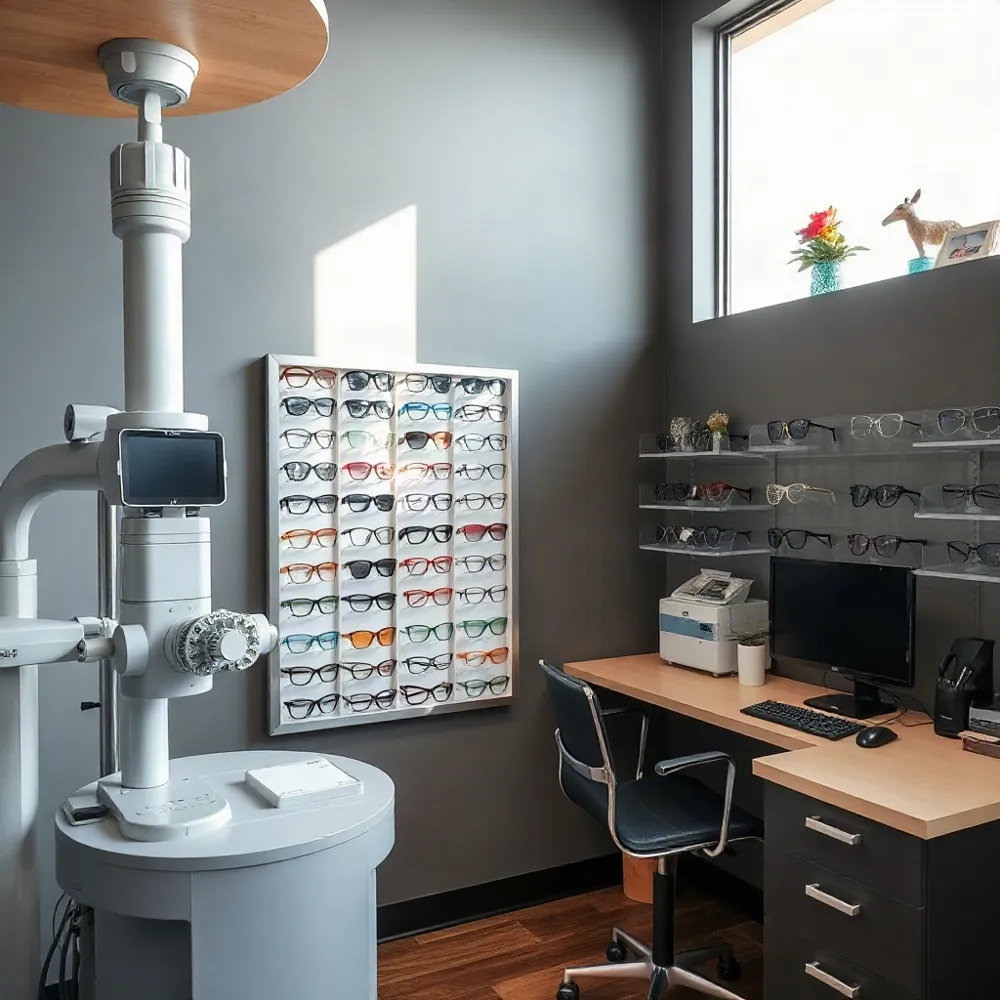
From the latest diagnostic equipment to one of the largest selections of designer eyewear in San Diego, the practice is built around honest, thorough care without any pressure. Whether you are curious about your systemic health or simply due for an exam, the friendly, family-like atmosphere makes every visit comfortable and informative.
Your eyes say more about your health than you might realize. Schedule an appointment at Rio Vista Optometry in Mission Valley and see how personalized eye care can support your vision and well-being for years to come.