Value Starts With Everyday Wear
Good-value glasses are not necessarily the cheapest pair or the most fashionable one. They should feel comfortable through ordinary daily wear, hold up to your routine, and fit the budget you have in mind.
Frame material affects weight, strength, flexibility, and resistance to corrosion, but it is only one part of the decision. Fit, activities, skin sensitivities, and personal style matter too. The American Academy of Ophthalmology’s guide to eyeglass frame materials explains why the right choice depends on how you plan to wear your glasses.
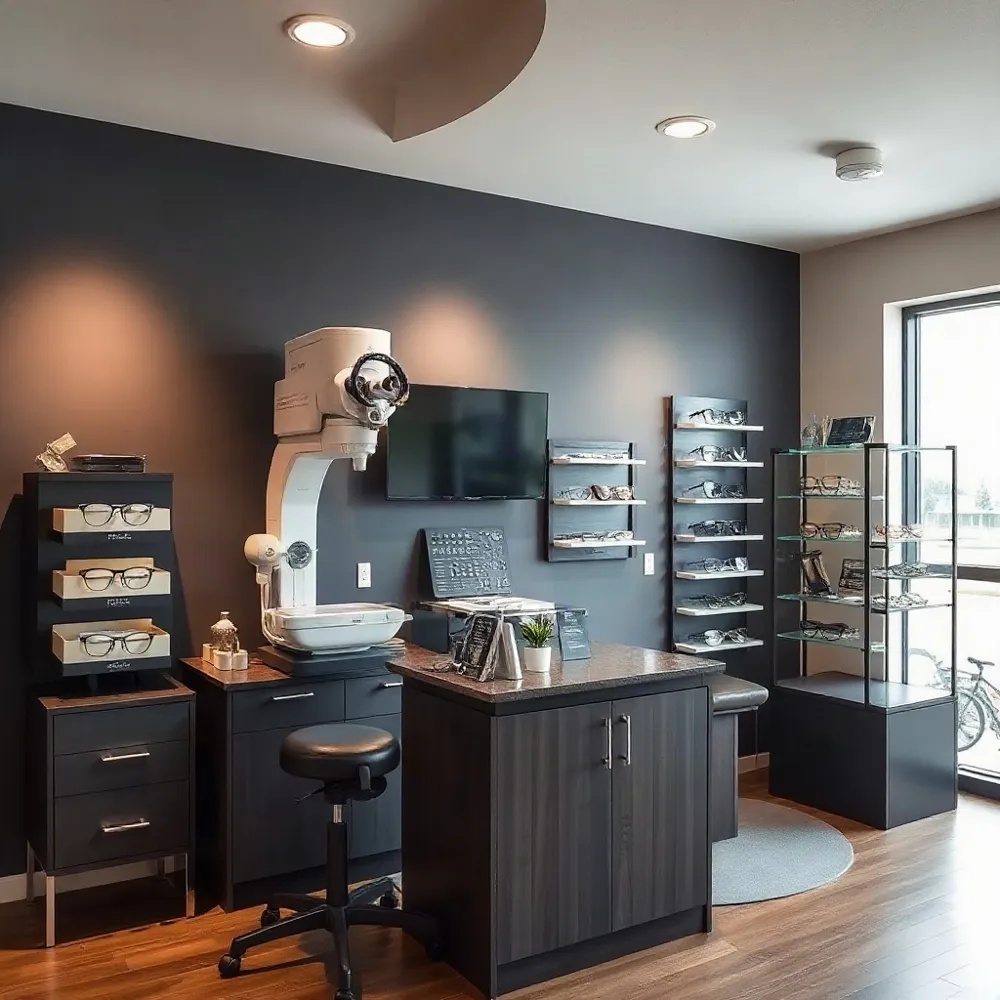
If you live in San Diego, think about where and how you will wear your frames, from workdays to time outdoors. At Rio Vista Optometry, an optician can help you compare styles and materials in person, while Dr. Camen’s thorough exam helps ensure your prescription is accurate. A comfortable fit and a frame suited to your routine can make a sensible purchase feel right day after day.
Compare Materials for Durability
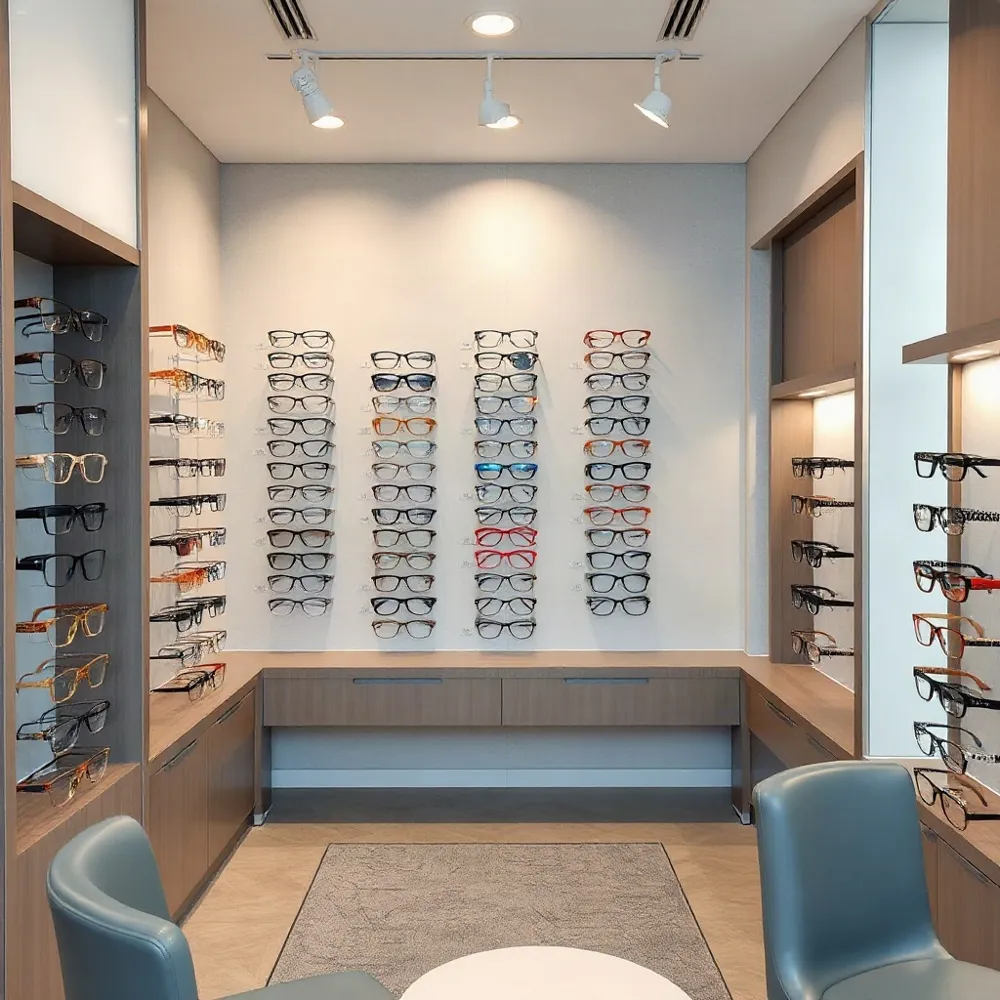 Durability depends on more than a frame’s material label. Weight, flexibility, corrosion resistance, and how you wear your glasses all affect comfort and how well frames hold up. The American Academy of Ophthalmology’s guide to eyeglass frame materials compares these practical trade-offs.
Titanium is strong, lightweight, and resistant to corrosion, which can make it a good fit for frequent wear or people who are tough on their glasses. It often costs more than other metal options. Stainless steel also offers strength and corrosion resistance, and may cost less than some alternatives, but it is heavier than titanium.
Flexible metal alloys such as Flexon can bend and return toward their original shape. Some alloys contain nickel, which may concern people with sensitive skin. Tell your optician about any known sensitivities so they can help you check the frame’s materials.
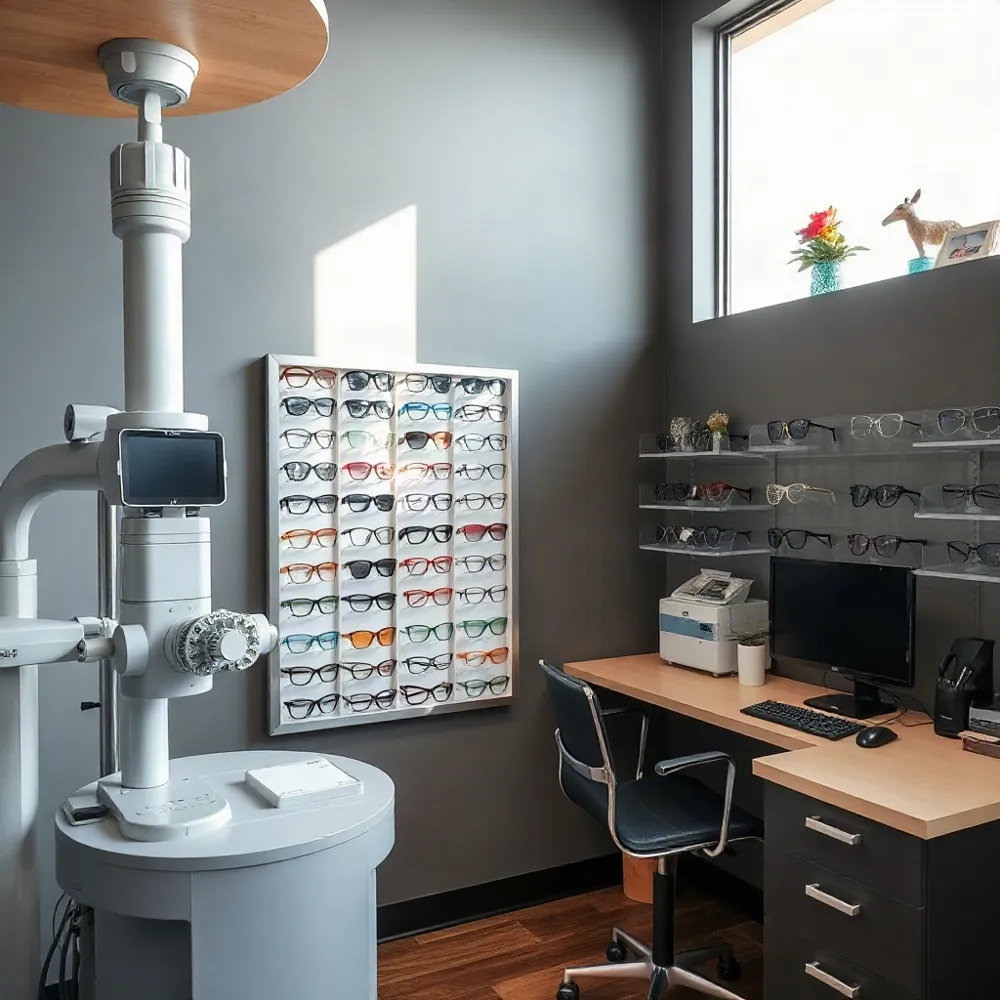
For active days, TR90 and blended nylon are lightweight, flexible choices. Acetate is sturdy and comes in vivid colors and styles, though some acetate frames may feel heavier during long wear. At Rio Vista Optometry, patients can compare a broad selection of frames in person and get personalized recommendations based on fit, comfort, and daily activities.
When trying frames, notice whether they feel secure without pinching or slipping, and ask an optician to assess their flexibility and fit. Rio Vista Optometry combines frame recommendations with precise eye exams, helping San Diego patients choose eyewear that suits their prescription as well as their routine.
Match Acetate and Titanium to Your Style
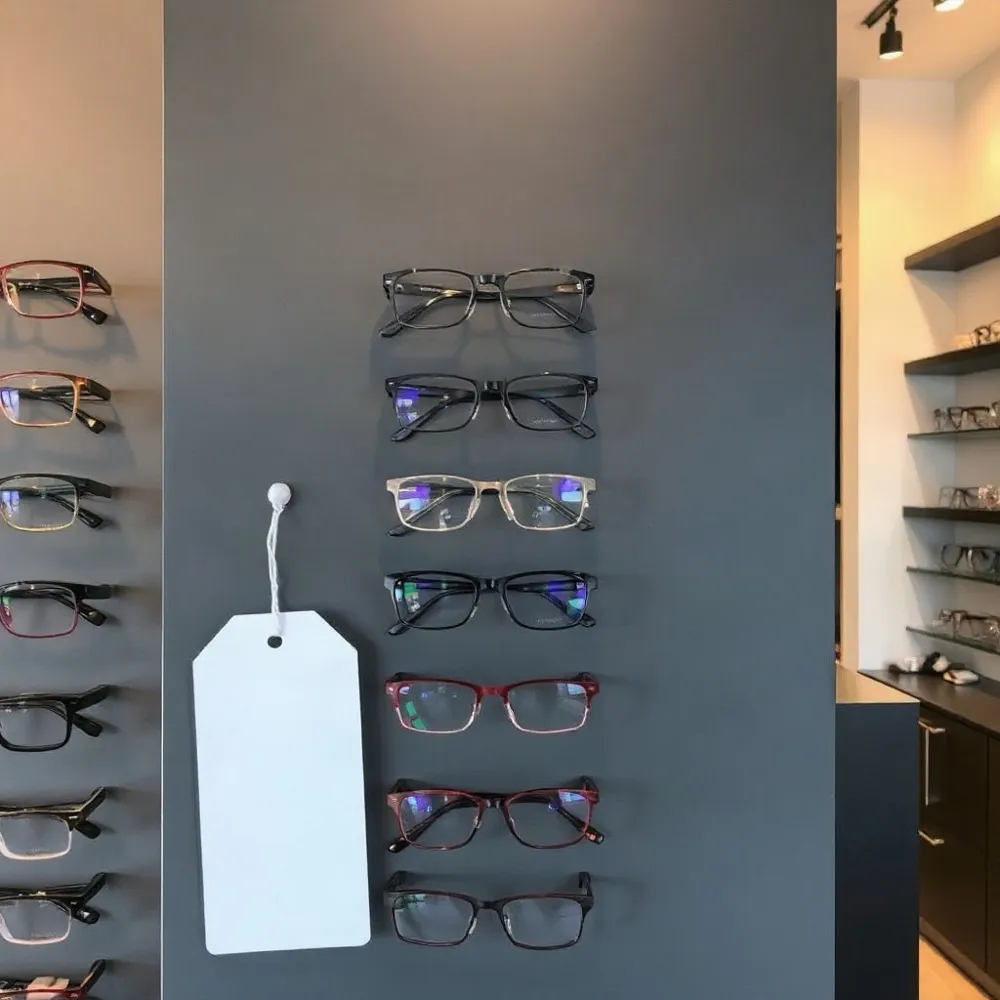
Acetate and titanium can create very different looks, but appearance is only part of the choice. Rio Vista Optometry offers a broad eyewear selection, so you can compare frame styles in person and see how they feel on your face.
Acetate comes in a wide range of colors and patterns, and its thicker profiles often give frames a bold, noticeable look. Some acetate frames may feel heavier during long days of wear. Titanium tends to have a lighter feel and is often made in slimmer styles. It is strong and corrosion-resistant, which may suit someone who wants a lightweight frame for regular use, as noted in the American Academy of Ophthalmology’s frame-material guide.
If you enjoy expressive color or want your glasses to stand out, acetate may feel more like your style. If you prefer a minimal look and want less weight on your face, try titanium. Neither material is automatically the better choice: frame shape, fit, prescription, and comfort over extended wear all matter.
Try on more than one shape and material, and ask an optician to check how the frame sits and aligns with your eyes. At Rio Vista Optometry, personalized recommendations can account for your prescription and comfort preferences, helping you compare options before choosing an everyday pair.
Assess Long-Term Value Before Buying
What should you look for in affordable eyeglass frames that are built to last? Start with fit and construction, not the price tag alone. A low upfront cost does not guarantee a frame will hold up, and a higher price does not automatically mean it will last longer.
Zyl is a generally inexpensive, lightweight plastic available in many colors, and an optician can adjust it. Plastic frames can be a budget-friendly choice, but they may break more easily than metal or lose strength over time. Stainless steel may cost less than some metal alternatives, while beryllium can be a less expensive alternative to titanium. Prices vary by frame, so compare specific options rather than assuming a material always costs less. The American Academy of Ophthalmology’s guide to eyeglass frame materials outlines these trade-offs.
At Rio Vista Optometry, an optician can help you compare frames from the practice’s large eyewear selection and assess how each one feels on your face. Check that the hinges move smoothly and that the frame sits securely without pinching or slipping. Ask the optical team about adjustments, repair options, and warranty coverage before you buy.
If you have sensitive skin, mention it to the optical staff and ask whether a frame contains nickel or another material that could bother you. Discuss nose-pad sensitivities, too. Have an optician make any fit changes rather than bending the frame at home, which can damage it or leave it sitting unevenly.
A comfortable, well-fitting frame that suits your daily routine can be a better value than a cheaper pair that needs frequent replacement. Taking time to compare fit, materials, and available support helps you choose with confidence.
Protect Frames Through Everyday Care
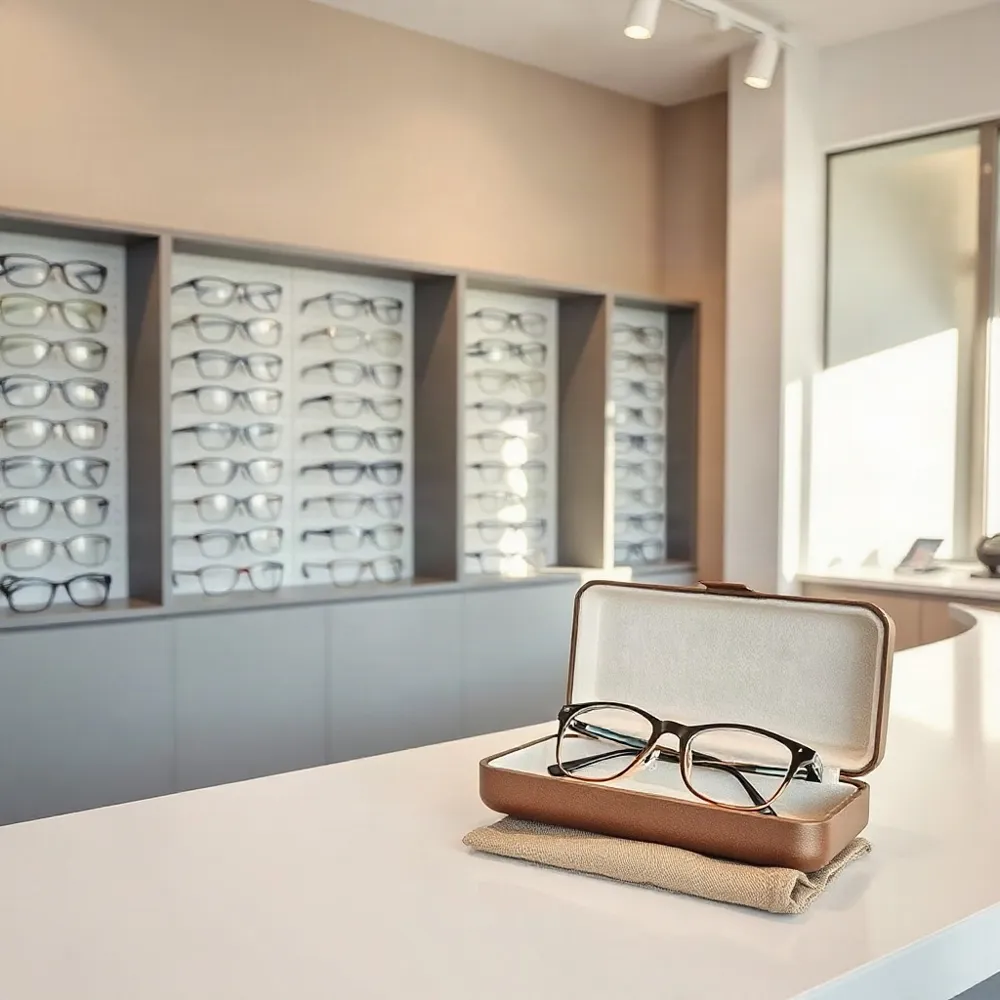 How long do eyeglass frames typically last, and what can help them last longer? There is no set lifespan that applies to every pair. Material, fit, daily handling, and exposure to drops, bending, and heat all play a part. The American Academy of Ophthalmology’s guide to frame materials explains that material affects durability, but how you use and care for your glasses matters too.
A few habits can reduce everyday wear. Put glasses in a hard case when you take them off, and use both hands to put them on and remove them so the frame is less likely to twist. Rinse with lukewarm water or use glasses cleaner, then dry with a clean microfiber cloth.
Keep frames away from harsh chemicals and hot cars, where heat can affect their shape. Set glasses down with the lenses facing up, not against a table or counter. These small choices help protect both the frame and its lenses.
If your glasses feel loose, sit crooked, or become uncomfortable, ask an optician to check the fit rather than bending the frame yourself. At Rio Vista Optometry, personalized frame recommendations and precise eye care can help San Diego patients find eyewear that feels right for everyday wear, while an adjustment can address fit concerns before they worsen.
Choose Frames for Growing Children
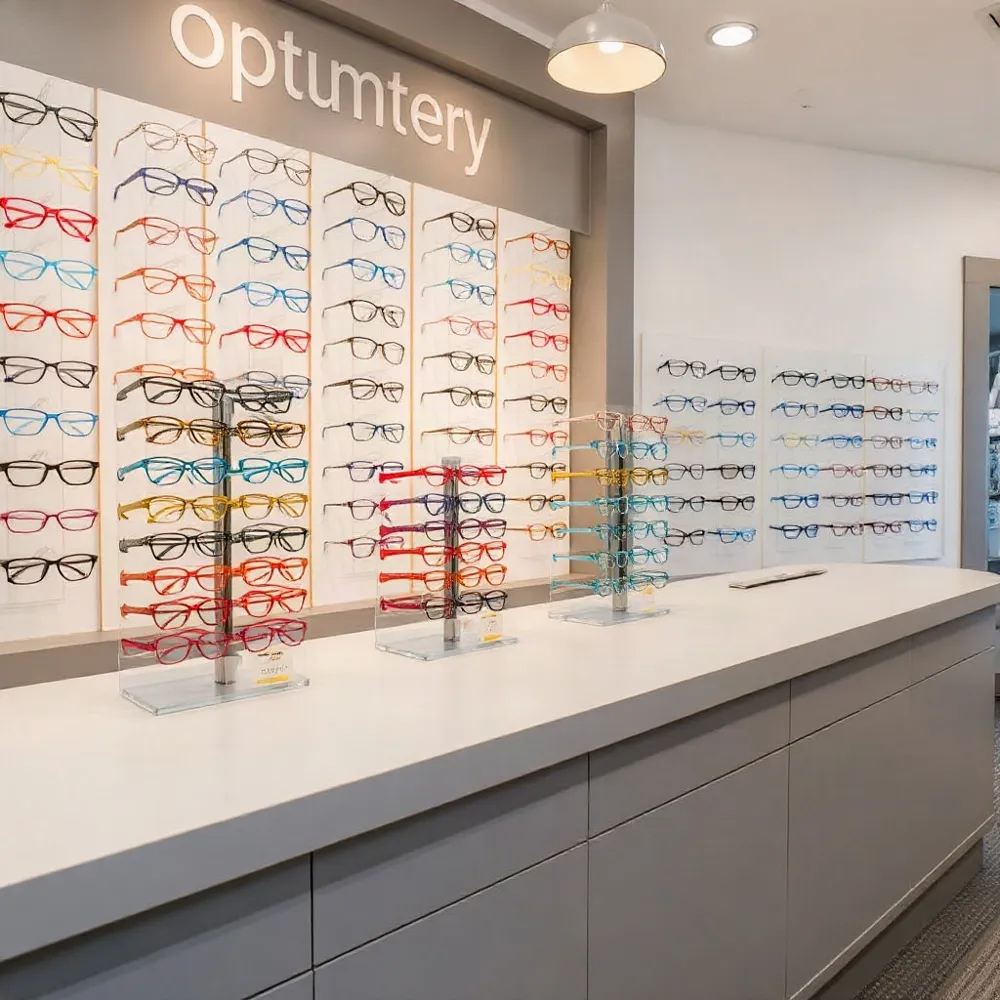 Children need frames that feel comfortable and stay put through school, play, and everyday activity. A sturdy, flexible design can help, but fit matters just as much: check that the bridge rests comfortably and the temples stay in place without pinching.
The American Academy of Ophthalmology’s guidance on frame materials notes that soft plastic may suit infants and small children because it bends and is less likely to hurt in a fall. Plastic can, however, break more easily than metal, so consider your child’s age, habits, and how the glasses will be used.
Features such as adjustable parts may help accommodate growth. Spring hinges can be worth considering for a child who handles glasses roughly, while cable temples or a strap may help younger children keep them on. These are options, not requirements. Let your child take part in choosing a style they like, since a comfortable pair they feel good wearing is more likely to become part of their routine.
At Rio Vista Optometry, an optician can check the fit and help match frames to your child’s activities and comfort needs. Ask whether impact-resistant polycarbonate or Trivex lenses are appropriate to pair with the frame. A careful fitting and a child-approved style can make everyday wear more comfortable as they grow.
Find Your Best Everyday Fit
The right pair balances upfront price with material, fit, and the care it needs. Think about how you will wear your glasses each day: a lightweight, sturdy frame may suit long hours on the go, while color and shape may matter most if you want a distinctive look. The American Academy of Ophthalmology’s guide to frame materials explains why these choices depend on both the frame and the wearer.
At Rio Vista Optometry in Mission Valley, an optician can help you compare a broad selection of frames and assess comfort and fit alongside your style preferences. Bring up any skin sensitivities, daily activities, or concerns about keeping frames in good condition, so the recommendation reflects how you will actually use them.
San Diego readers are welcome to try on options and ask questions before deciding. A comfortable, well-fitting pair that suits your routine is a practical choice you can feel good wearing every day.