Why Kids Hide Vision Problems
Children rarely complain about blurry vision because they assume everyone sees the world the way they do. Instead of describing a symptom, they simply adapt: they squint to sharpen focus, sit closer to the television, or hold books unusually near their face. When these habits appear, they often signal an underlying refractive error like nearsightedness, farsightedness, or astigmatism that a pediatric eye exam can correct. Recognizing these early cues matters because undetected vision problems can affect school performance, sports, and even a child's confidence.
Common Signs That Warrant a Closer Look
While a yearly screening at school is helpful, it is not a substitute for a comprehensive eye exam. Parents should watch for behaviors that persist beyond a few days. Frequent squinting, tilting the head to one side, or closing one eye to read are all signs a child is trying to compensate for unclear vision. Equally telling is a child who rubs their eyes repeatedly or complains of headaches after near work, which may indicate eye strain rather than just fatigue.
- Squinting or closing one eye to see better
- Tilting the head or covering an eye while focusing
- Complaining of frequent headaches, especially after reading
- Holding screens or books very close to the face
- Losing place while reading or skipping lines
- Excessive tearing, redness, or sensitivity to light
These signs are documented in pediatric eye care resources, including guidance from the American Academy of Ophthalmology on common eye problems in children and the Red Flags Vision Checklist for early detection. Catching these issues early can prevent a child from being mislabeled as inattentive or struggling academically when the root cause is simply a vision prescription.
When to Schedule an Exam
Pediatric experts recommend the first comprehensive eye exam at 6 months of age, again at age 3, and then every year before starting school. However, if you notice any of the red flags above, you do not need to wait for a scheduled visit. Early intervention is critical because the visual system develops rapidly during the first few years of life. The American Optometric Association emphasizes that preschool vision is a critical period for identifying issues like amblyopia (lazy eye) or strabismus (crossed eyes), which are highly treatable when caught early.
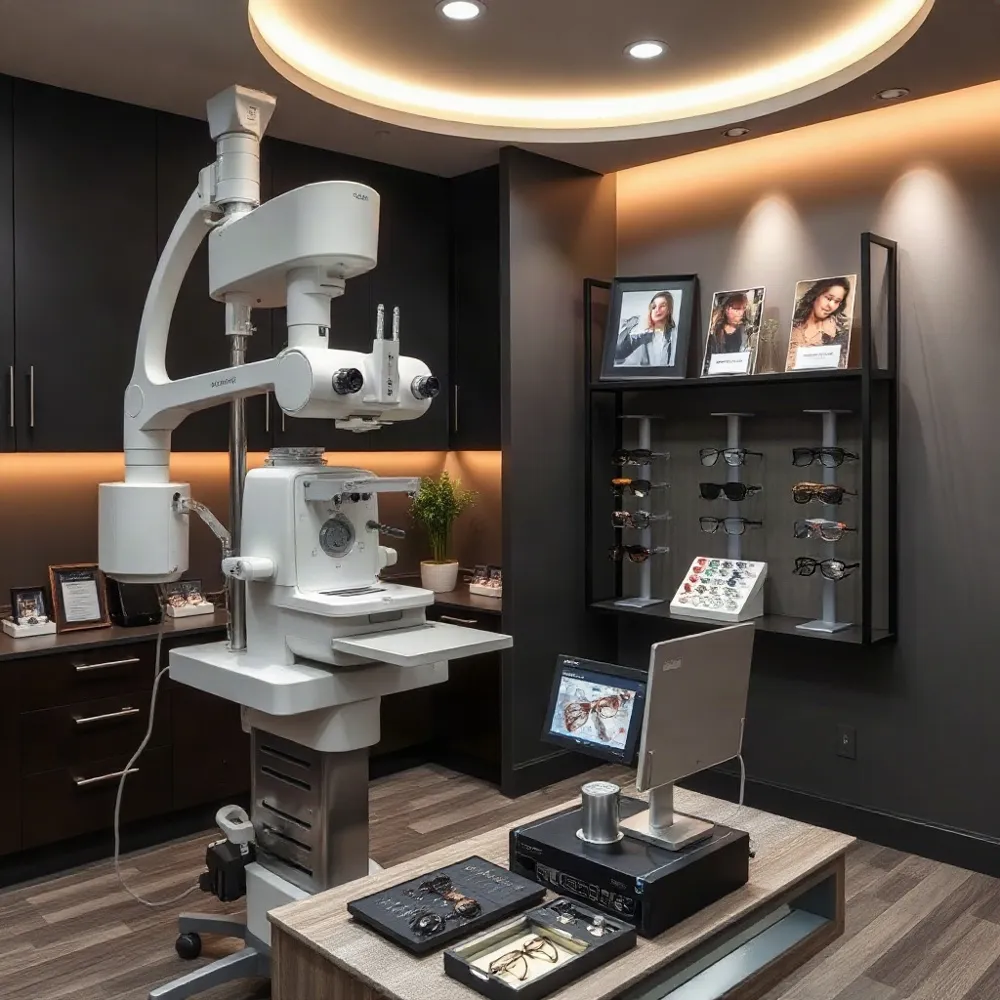
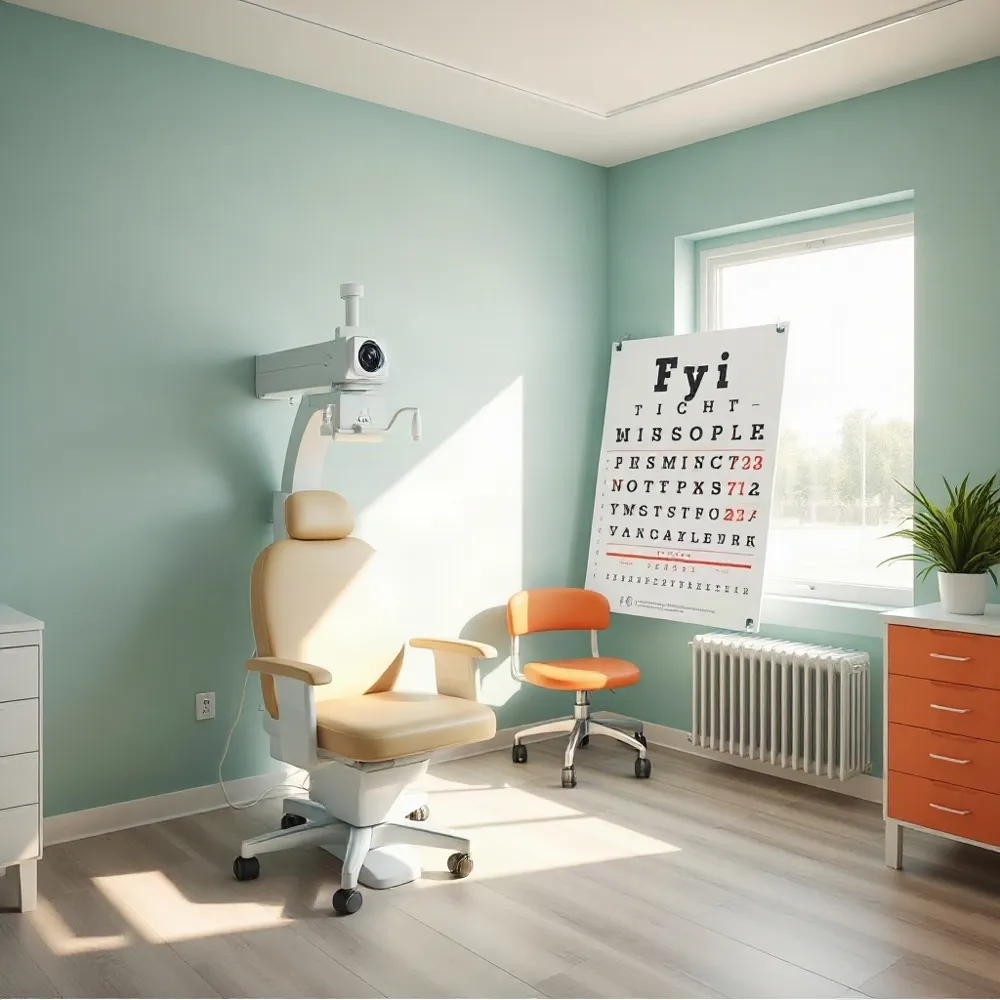
At Rio Vista Optometry, we understand that bringing a child for an eye exam can feel daunting for both parent and child. Our practice was designed to feel welcoming and patient, not clinical or rushed. Dr. Camen takes time to explain each step in simple terms, turning what could be an intimidating experience into a comfortable one. Families often tell us that their children actually look forward to their visits because our team makes the process feel like a game rather than a medical appointment.
What Happens During a Pediatric Eye Exam
A comprehensive pediatric eye exam goes far beyond reading a chart. The optometrist checks how the eyes work together, focuses on tracking moving objects, and evaluates depth perception and color vision. For younger children, tests are adapted to their developmental level, using pictures, shapes, or lights instead of letters. This thorough approach ensures that even non-verbal children receive an accurate assessment of their visual health.
During the exam, the doctor will also look for early signs of eye disease that may not present with obvious symptoms. Conditions like pediatric glaucoma, cataracts, or retinal abnormalities can be detected during a routine exam, even in a child who has never complained of a vision problem. This is why the American Academy of Pediatrics recommends that children who show any signs they need an eye exam see a professional rather than relying on a quick screening.
The Rio Vista Difference
Compared to high-volume retail chains or online vision tests, Rio Vista Optometry offers a personalized, relationship-driven approach. While big-box stores may rush through a 20-minute exam or push unnecessary add-ons, Dr. Camen believes in honest, thorough care without overselling. We take the time to answer your questions, review your child's visual needs in the context of their daily activities, and recommend the right corrective lenses or treatment plan—never the most expensive option.
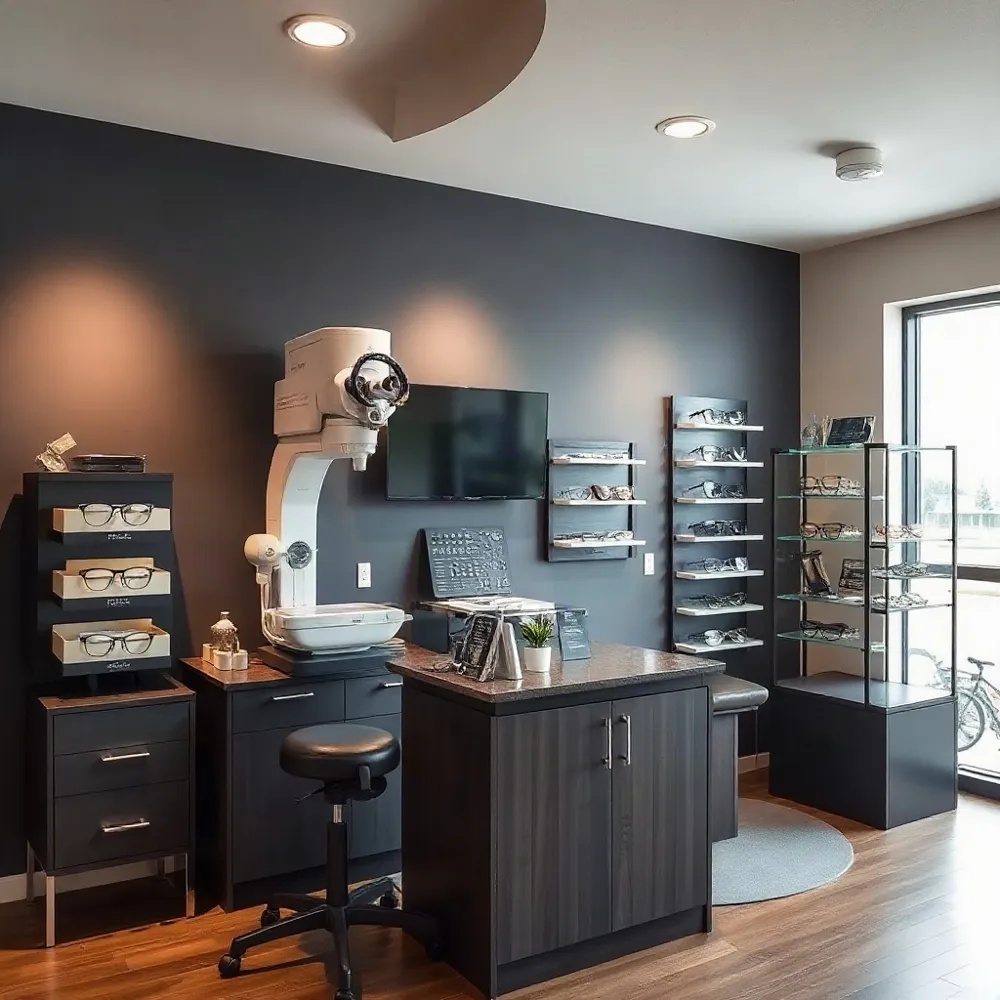
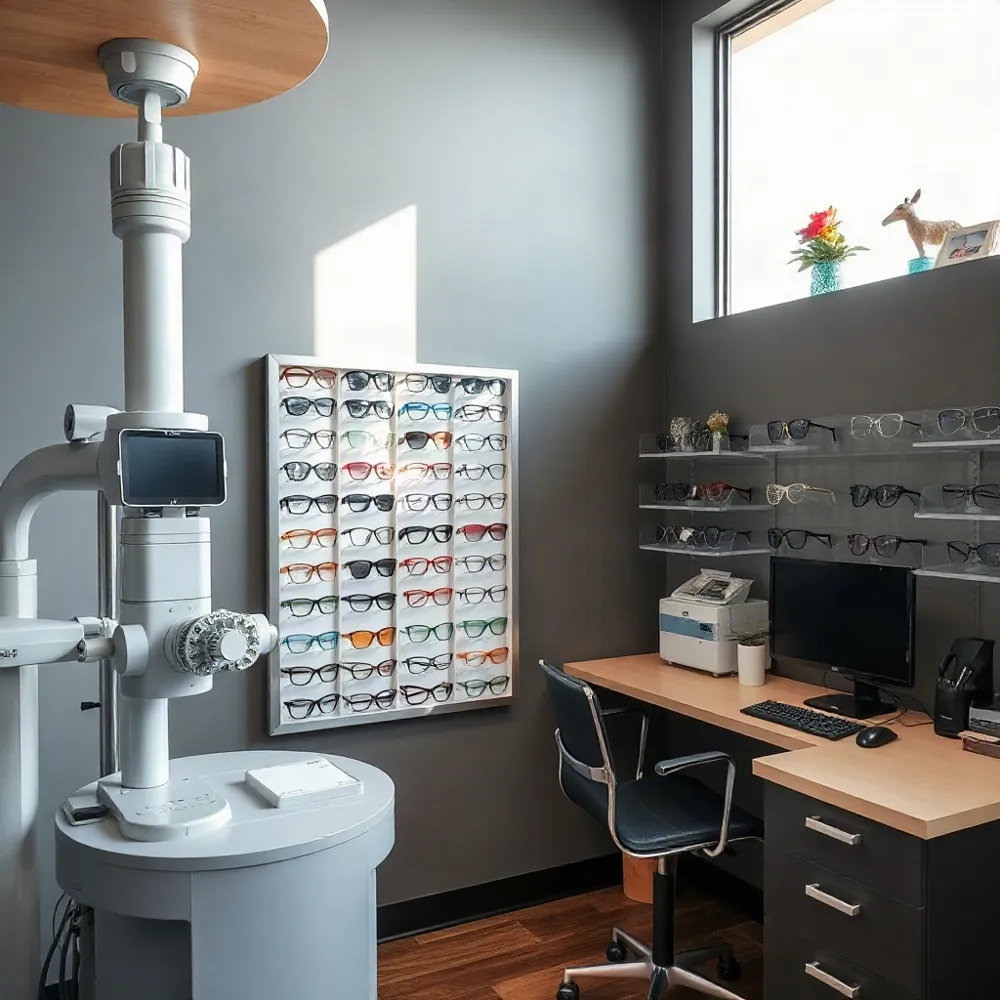
Our eyewear collection is among the largest in San Diego, which means that after a successful exam, your child can pick frames they genuinely love, from durable playtime styles to trendy designs. We also work with your vision insurance to maximize benefits and explain coverage in plain language, removing the financial guesswork from what should be a straightforward process. Whether your child needs their first pair of glasses or has worn them for years, we are here to support their vision journey.
| Sign | What It Might Indicate | Recommended Action |
|---|---|---|
| Frequent squinting | Nearsightedness or astigmatism | Schedule an eye exam |
| Head tilting or covering one eye | Strabismus or double vision | See an eye care professional |
| Rubbing eyes repeatedly | Eye strain or allergies | Monitor and consult if persistent |
| Holding items very close | Hyperopia (farsightedness) | Comprehensive pediatric exam |
| Headaches after reading | Accommodative issues | Consider a full eye exam |
The First Red Flag: Persistent Squinting
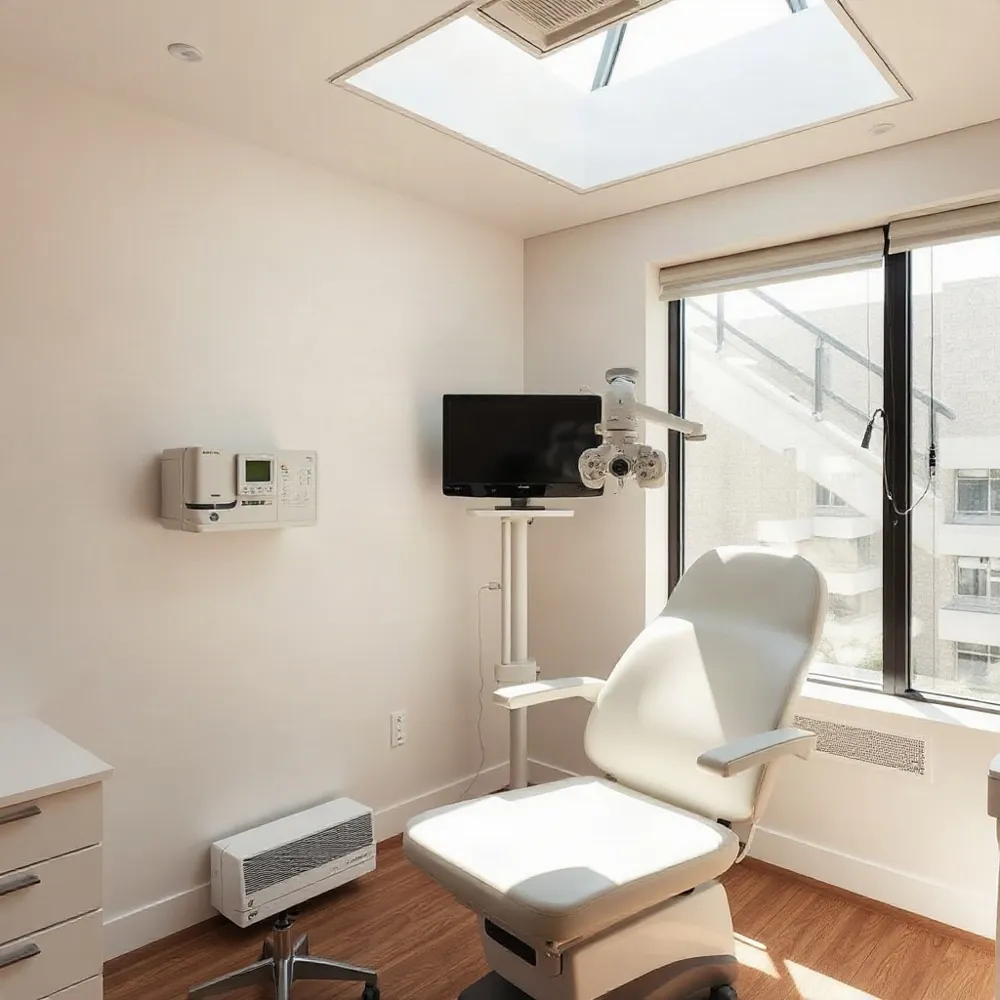 When a child squints, it often looks like a harmless habit or an attempt to copy a parent. In reality, persistent squinting is one of the most common and telling signs that a child is struggling to see clearly. Squinting narrows the eyelid opening, which reduces the amount of light entering the eye and creates a small pinhole effect that temporarily sharpens blurred vision. Children quickly learn this trick on their own to compensate for nearsightedness, farsightedness, or astigmatism, especially when they are trying to read the board at school or see distant objects.
While occasional squinting outdoors in bright sunlight is normal, squinting during everyday activities like watching television, reading, or looking at a tablet is a red flag. According to the American Academy of Pediatrics, squinting and eye rubbing are among the earliest behaviors parents notice, and these habits should never be dismissed as a phase. The signs your child needs an eye exam from Children's Health note that squinting is a conscious effort to improve focus, not a vision complaint a child can verbalize. A child who squints often may not even realize their vision is poor; they simply accept the blur as normal.
At Rio Vista Optometry, the optometric team understands that a child rarely says "my vision is blurry" — they just squint, tilt their head, or move closer to the TV. That's why the practice's pediatric eye exams are designed to detect these subtle clues before they turn into a permanent struggle in the classroom. Rio Vista's comprehensive approach includes checking not only visual acuity but also focusing ability, eye teaming, and eye health, ensuring that a child who squints is fitted with the right prescription rather than left to cope on their own. Unlike a basic school screening, which often misses these issues, a full pediatric exam at Rio Vista catches the problem early and provides a clear path forward.
Head Tilting and Closing One Eye
 When a child tilts their head or squints to see, many parents chalk it up to a quirky habit. Often, it is a subtle adaptation. These behaviors usually mean the eyes are working overtime to stay aligned and focused, which can lead to noticeable strain. Instead of guessing, learning to identify these visual cues early helps you respond quickly and appropriately.
Why Kids Adapt Instead of Complaining
Children rarely describe blurry or double vision. They assume everyone sees the world the way they do. As a result, they develop clever workarounds, like tilting their head to align their eyes or closing one eye to suppress double vision. Over time, these habits become ingrained, masking an underlying vision issue that a standard school screening may miss.
This is where an experienced optometrist becomes invaluable. A comprehensive pediatric eye exam looks beyond the 20/20 chart. It evaluates how the eyes work together, tracking, focusing, and alignment. When a child tilts their head consistently, it can indicate a muscle imbalance, refractive error, or a condition like strabismus. The American Optometric Association notes that early evaluation is essential for proper visual development. Detecting these issues early avoids the frustration of learning difficulties and physical discomfort later.
The Common Culprits: Squinting, Tilting, and Headaches
Squinting is the classic sign of a refractive error. It works by narrowing the eyelid opening, creating a pinhole effect that sharpens vision temporarily. While effective, it is not a long-term solution. It strains the eye muscles, leading to headaches and fatigue by the end of the school day.
Head tilting is often a sign of binocular vision problems. By turning or tilting the head, a child finds a position where the eyes align more easily, reducing double vision. This constant neck strain and eye strain in kids can cause significant discomfort. For a detailed breakdown of warning signs, the Red Flags Vision Checklist is a helpful resource.
Headaches, particularly those that occur after reading or screen time, are a major red flag. They often originate from the eyes' effort to focus, not from a primary brain issue. If your child complains of recurrent headaches, especially with any of the other signs mentioned, it is worth considering a comprehensive eye exam. Rio Vista Optometry in San Diego addresses these exact symptoms with thorough testing for focusing and binocular vision, helping to pinpoint whether the headaches stem from the eyes.
Red Flags That Warrant an Immediate Appointment
While occasional squinting might not be alarming, certain signs demand prompt professional attention. Noticing these patterns is the first step toward protecting your child's vision and ensuring their academic and social success.
- Persistent squinting, blinking, or rubbing of the eyes
- Holding books or tablets very close to the face
- Tilting the head to one side or closing one eye to see
- Complaints of frequent headaches or eye strain
- Losing their place while reading or skipping lines
- Sensitivity to light or excessive tearing
If you notice a combination of these signs, schedule an eye exam sooner rather than later. The Signs Your Child Needs an Eye Exam guide provides further insight into what to look for.
How Rio Vista Optometry Can Help
Addressing eye strain in kids requires more than just prescribing glasses. It requires understanding how the visual system works. Rio Vista Optometry provides comprehensive exams that assess visual acuity, eye coordination, and eye health. Dr. Camen’s experience across hospital and military settings brings a practical, patient-focused approach to every visit.
Rio Vista Optometry pairs this detailed testing with a large selection of designer frames, making the transition to glasses an exciting experience for kids. By ensuring a precise prescription and a proper fit, they help eliminate the eye strain and headaches that often come with ill-fitting or incorrect lenses. This approach helps your child feel comfortable and confident, both in the exam chair and in the classroom.
| Sign | What It Indicates | Recommended Action |
|---|---|---|
| Squinting | Likely a refractive error | Schedule a comprehensive exam |
| Head tilting | Possible muscle imbalance or strabismus | Consult an optometrist soon |
| Frequent headaches | Eye strain or focusing issues | Book an eye exam and assess symptoms |
| Holding items close | Potential nearsightedness | Have vision tested promptly |
Headaches and Eye Strain After Screen Time
Children rarely complain about blurry vision because they don't know any different. A persistent squint is often the first and most telling sign that your child is struggling to see clearly. Squinting reduces the amount of light entering the eye and narrows the visual field, which temporarily improves focus and clarity. According to the American Academy of Ophthalmology, frequent squinting is one of the most common red flags that a child needs an eye exam.
Parents might brush off squinting as a bad habit or a reaction to bright light. But when a child squints regularly, especially during activities like reading, watching TV, or looking at a distant board, it signals an uncorrected refractive error such as nearsightedness, farsightedness, or astigmatism. The Signs Your Child Needs an Eye Exam guide from Children's Health lists squinting among the top symptoms parents should watch for, noting that children often adopt this behavior to compensate for blurry vision.
Beyond the Squint: Other Signs to Watch
A squint rarely appears alone. Parents who notice their child squinting should also watch for accompanying behaviors that point to vision problems. These secondary signs can confirm that an eye exam is needed sooner rather than later.
- Frequent eye rubbing, especially after reading or screen time
- Head tilting or turning to one side to see better
- Sitting too close to the TV or holding books very close to the face
- Complaining of headaches, particularly in the forehead or around the eyes
- Closing one eye to read, watch TV, or see distant objects
- Watery, red, or itchy eyes without allergies
These signs become more meaningful when they cluster together. A child who squints, rubs their eyes, and complains of headaches after school is showing a pattern that the American Optometric Association's Preschool Vision guidelines say warrants a comprehensive exam. The Red Flags Vision Checklist from Child Development Programs also emphasizes that squinting combined with head tilting or eye rubbing is a strong indicator of uncorrected vision.
Headaches deserve special attention because they're often dismissed as stress, dehydration, or digital eye strain. But when a child squints to focus, the eye muscles work harder, leading to the type of tension headaches that EyeClinic London's guide on headaches in children describes as vision-related. These headaches typically worsen during near work like reading or homework and improve after a break. If your child squints and complains of headaches, an eye exam should be your next step.
Why Children Hide Their Symptoms
Children don't report blurry vision because they assume everyone sees the same way they do. They might not have the vocabulary to explain that words look fuzzy or that the board is hard to read. Instead, they adapt by squinting, sitting closer, or avoiding visually demanding tasks altogether. This is why proactive screening matters. The Mayo Clinic's red flags in the pediatric eye exam research highlights that children often show no obvious complaint, making it the responsibility of parents to spot the subtle cues.
Rio Vista Optometry encourages parents to schedule an eye exam if they notice any combination of these signs. A comprehensive pediatric exam goes beyond the basic vision screening done in school or at the pediatrician's office. It measures focusing accuracy, eye teaming, and eye movement skills, which are essential for reading and learning. When vision issues are caught early, treatment is simpler and the impact on a child's school performance and confidence is minimized.
| Sign | What It Looks Like | Why It Matters |
|---|---|---|
| Squinting | Narrowing eyes to focus | Compensates for blurry vision |
| Eye rubbing | Rubbing after near work | Signals eye strain or fatigue |
| Head tilting | Turning head to one side | Compensates for double vision |
| Headaches | Forehead or eye-area pain | Eye muscle strain from focusing |
If your child exhibits any of these signs persistently, don't wait for them to complain. Schedule an eye exam at Rio Vista Optometry, where the friendly, family-oriented team provides thorough, honest exams that make children feel at ease. Early detection of vision problems not only protects your child's eyesight but also supports their success in school and daily activities.
Rubbing Eyes and Other Subtle Clues
When a child squints, they are not just making a funny face. Squinting is an active, subconscious effort to reduce the amount of light entering the eye and to narrow the visual field, which can temporarily sharpen blurred images. While an occasional squint after a long day outside might be harmless, persistent squinting during reading, watching television, or looking at a distant whiteboard is often the first obvious clue that your child's eyes are struggling to focus.
This behavior is especially common in children with uncorrected refractive errors like myopia (nearsightedness) or astigmatism. Instead of complaining about blurry vision, many kids simply adopt a squint as a coping mechanism. They may not realize that their vision is not "normal" because they have never experienced anything different. Rio Vista Optometry notes that during a comprehensive pediatric eye exam, Dr. Camen looks for these habitual visual behaviors to identify the root cause before it impacts school performance.
What Squinting Actually Signals
Squinting temporarily improves visual acuity by creating a "pinhole effect," which blocks out scattered light rays and reduces the blur circle on the retina. This works for mild to moderate focusing errors, but it is only a temporary band-aid. Over time, relying on squinting can lead to eye strain, fatigue, and tension headaches, especially after near work like reading or doing homework. If you notice your child squinting more than a few times a day, it is worth scheduling an eye exam rather than waiting for a report card or a school screening.
Frequency. Occasional squinting in bright sunlight is normal. Squinting during screen time, reading, or while watching TV from across the room is a red flag.
Accompanied signs. If squinting is paired with frequent eye rubbing, headaches, or tilting the head to one side, the child may be compensating for a larger visual problem.
Beyond the Squint: Other Early Warnings
Squinting rarely appears alone. Many children who squint also rub their eyes excessively, blink rapidly, or close one eye to see better. These signs are all part of the same story: the visual system is working overtime to produce a clear image. The American Academy of Ophthalmology lists squinting among the common eye problems parents should never ignore, especially when it appears with other symptoms like light sensitivity or a persistent red eye.
Another overlooked clue is a child who loses their place while reading or uses a finger to track lines of text. This can indicate that their eyes are not working together as a team, a condition called convergence insufficiency. While not as obvious as squinting, this tracking difficulty is often detected during the same comprehensive exam that identifies why a child squints. Rio Vista Optometry uses modern diagnostic equipment to evaluate not just visual acuity but also eye teaming, depth perception, and focusing flexibility, which a standard school screening typically misses.
Headaches are also a frequent companion to habitual squinting. When a child strains to keep vision clear, the muscles inside and around the eyes fatigue quickly, leading to tension that radiates to the forehead and temples. The connection between childhood headaches and uncorrected vision problems is well documented, and addressing the underlying refractive error with prescription glasses often resolves the discomfort entirely.
| Symptom | What It Looks Like | Why It Matters |
|---|---|---|
| Squinting | Narrowing eyes during TV, reading, or distant tasks | Indicates blurred vision; may signal myopia or astigmatism |
| Eye rubbing | Frequent rubbing, especially after near work | Could mean eye fatigue, allergies, or refractive error |
| Head tilt | Turning head to use one eye preferentially | May indicate misalignment (strabismus) or double vision |
If you have noticed any of these behaviors in your child, especially persistent squinting that lasts more than a few weeks, it is a clear sign that an eye exam is overdue. Early intervention with the correct prescription can prevent a child from falling behind academically and can stop the cycle of eye strain and headaches before they become a daily complaint.
Sitting Too Close and Struggling to Focus
 Children rarely complain about blurry vision because they assume everyone sees the world the way they do. That's why the American Optometric Association advises a comprehensive eye exam before age 1, again at age 3, and then before first grade, even when no symptoms are obvious. Catching an issue early is far easier on your child and on your family's routine than waiting for a problem to surface in the classroom.
What Does a Pediatric Eye Exam Actually Check?
A pediatric eye exam goes far beyond reading letters on a chart. The doctor evaluates how the eyes work together as a team, checks for refractive errors like nearsightedness and farsightedness, and looks for conditions like amblyopia (lazy eye) and strabismus (crossed eyes). Many of these conditions respond best to treatment when caught before age 7, so understanding what the exam covers helps parents feel prepared and confident.
Visual acuity. Measures how clearly each eye sees at distance and near, using age-appropriate tests like picture charts for younger children and letter charts for older kids.
Eye teaming. Checks whether both eyes align and work together, which is essential for depth perception and comfortable reading.
Refractive status. Determines if your child needs glasses for nearsightedness, farsightedness, or astigmatism, and helps guide myopia management.
This thorough approach is the standard of care, and it's exactly what you'll find at Rio Vista Optometry. Dr. Camen, a California-licensed optometrist with experience across private, corporate, hospital, and military settings, takes the time to explain every step so both you and your child feel at ease.
When to Schedule the First Eye Exam
The American Optometric Association recommends the first comprehensive eye exam at 6 months of age, followed by another at age 3, and then annually once school begins. These milestones are designed to catch problems before they interfere with learning, sports, or social development. If your child has a family history of eye problems, prematurity, or a known vision issue, the doctor may recommend a different schedule.
Rio Vista Optometry follows these evidence-based guidelines while tailoring the timing to your child's individual risk factors. The practice's friendly, family-like atmosphere means your child gets used to eye care early, making future visits something to look forward to rather than dread.
Recognizing the Warning Signs
Many parents wonder whether squinting, sitting close to the TV, or frequent headaches mean it's time for an eye exam. According to the American Academy of Pediatrics, these can be signs your child is struggling to see clearly. Other red flags include excessive blinking, rubbing the eyes often, tilting the head, holding books very close, and avoiding reading or other near work. Headaches in children are another common clue that vision may be the culprit, as uncorrected strain can trigger them during school or homework.
If you notice any of these signs, don't wait for a school screening to catch the issue. A comprehensive exam at Rio Vista Optometry in Mission Valley can get to the root of the problem quickly. The practice's modern diagnostic equipment allows Dr. Camen to get an accurate prescription and personalized recommendation, so you can address the issue with confidence.
School Screenings Aren't Enough
School vision screenings typically check distance acuity only and miss many problems that affect learning, such as focusing issues, eye teaming problems, and moderate farsightedness that makes reading uncomfortable. A comprehensive eye exam is the only way to fully evaluate your child's visual system. This is a key difference: while a screening might catch a child who can't see the board, it won't tell you whether your child can sustain focus on a page for 20 minutes.
That's where Rio Vista Optometry steps in with an exam that goes beyond the basics. Instead of a quick vision check, you get a thorough assessment of all the visual skills your child needs for school, sports, and everyday life. This thoroughness is what separates a one-time screening from an ongoing partnership in your child's vision health.
| Age | Recommended Exam | Why It Matters |
|---|---|---|
| 6 months | First comprehensive exam | Early detection of alignment and focusing issues |
| 3 years | Second comprehensive exam | Catch amblyopia and refractive errors before school |
| Before 1st grade | Annual comprehensive exam | Ensure visual readiness for reading and learning |
| Annually | Continuing comprehensive exams | Keep prescriptions current and monitor changes |
Every child is different, and Rio Vista Optometry tailors each exam to the child's age, development, and needs. Whether it's your toddler's first eye check or your teen's annual visit, you'll find a practice that treats your family like their own.
Red Flags That Need Immediate Care
When a child squints, most parents assume it is just a bad habit or a dramatic reaction to bright light. In many cases, squinting is actually an unconscious adaptation: the child narrows their eyelids to reduce glare and create a pinhole effect that sharpens vision. While this can be a temporary coping mechanism, persistent squinting during reading, watching television, or playing outside often signals an uncorrected refractive error like nearsightedness or astigmatism. The American Optometric Association notes that uncorrected refractive errors are one of the most common vision problems in children, which is why parents should treat frequent squinting as a reason to schedule an eye exam rather than assume the habit will fade.
At Rio Vista Optometry, Dr. Camen frequently sees children whose parents dismissed squinting as a phase until headaches or declining school performance forced a visit. The practice’s comprehensive pediatric eye exams go beyond a simple letter chart, using modern diagnostic tools to detect subtle focusing problems that a school screening might miss. When a child squints habitually, the eye muscles work overtime, leading to fatigue and strain that can make them avoid reading or lose their place on a page. Recognizing this early is important, because an undiagnosed prescription can affect a child’s confidence and academic progress.
Why Squinting Should Not Be Ignored
Squinting is often the first visible clue that a child’s eyes are struggling, but it rarely exists in isolation. Many children who squint also tilt their head, rub their eyes frequently, or complain of headaches, especially after near work. Headaches in children can stem directly from uncorrected vision problems, and parents who notice this pattern alongside squinting should take it seriously. The longer a refractive error goes uncorrected, the harder it can be for a child to relax their focusing system, which is why optometrists recommend early intervention rather than waiting for symptoms to worsen.
Rio Vista Optometry’s approach reflects a practical, family-centered philosophy: no pressure, just honest assessment and clear recommendations. If a child needs glasses, the practice helps families navigate the huge selection of frames, from durable kids’ styles to designer brands, making the transition to eyewear exciting rather than intimidating. Because Dr. Camen has experience across pediatric, hospital, and military settings, she is especially attuned to the subtle ways children mask vision problems, whether through avoiding near tasks or acting out in class.
When Squinting Warrants an Immediate Exam
While occasional squinting in bright sunlight is normal, persistent squinting during everyday activities is a red flag. Parents should also watch for squinting paired with excessive blinking, covering one eye, or tilting the head to one side, as these can indicate a muscle imbalance or amblyopia. Signs that your child may need an eye exam include squinting along with frequent eye rubbing, headaches, or holding books very close to the face. If squinting appears suddenly or is accompanied by eye pain, redness, or double vision, that is a more urgent concern that warrants prompt attention from an eye care professional.
Squinting frequency. Occasional squinting outdoors is normal; squinting during reading, TV, or play is a concern.
Accompanying signs. Headaches, eye rubbing, head tilting, or covering one eye alongside squinting point to an exam.
Sudden onset. New squinting with pain, redness, or double vision needs urgent care, not a wait-and-see approach.
| Squinting Situation | What It Might Indicate | Recommended Action |
|---|---|---|
| Occasional, in bright sun only | Normal light sensitivity | None; reassure and use sunglasses |
| Frequent, while reading or watching TV | Uncorrected nearsightedness or astigmatism | Schedule a comprehensive eye exam |
| With headaches or eye rubbing | Eye strain or focusing problem | Book an exam and discuss near-work habits |
| Sudden, with pain or double vision | Possible injury or urgent condition | Seek immediate eye care |
For families in Mission Valley and greater San Diego, Rio Vista Optometry makes it easy to act on these warning signs. The practice offers thorough pediatric exams that explain results in plain language, and the friendly staff helps with insurance questions and payment options, reducing the logistical stress of eye care. Parents who notice persistent squinting can call to schedule an exam, knowing they will receive honest, thorough care from a provider who treats every child like her own.
Why Regular Exams Matter Even Without Symptoms
A child who squints is often trying to tell you something without saying a word. Squinting is not just a facial expression; it's a natural reflex that narrows the light entering the eye, creating a pinhole effect that sharpens focus. When a child squints frequently, especially during activities like reading, watching TV, or looking at a distant whiteboard, it's often a sign of an uncorrected refractive error, such as nearsightedness. The American Academy of Ophthalmology notes that while some squinting can be normal, persistent squinting is a red flag that warrants a professional evaluation. Ignoring this sign can put your child at an educational disadvantage, as undiagnosed vision problems are often mistaken for learning difficulties.
While many parents assume squinting is harmless, it can also indicate more serious conditions like astigmatism or even amblyopia (lazy eye), which is highly treatable if caught early. Dr. Camen at Rio Vista Optometry explains that early detection is critical because the visual system is still developing until around age eight. If squinting is ignored, it can lead to permanent vision loss in the affected eye. A comprehensive eye exam, not just a quick vision screening, can identify these issues before they affect your child's ability to learn and play.
When Squinting Points to a Deeper Problem
Squinting can sometimes accompany other symptoms that signal a more urgent issue. For example, if your child squints while also tilting their head, closing one eye, or complaining of double vision, this could indicate a muscle imbalance or strabismus. These conditions require prompt attention to align the eyes properly and prevent long-term vision loss. Parents should also be alert to squinting that occurs with eye pain or redness, as this may signal an infection or injury. In such cases, a signs your child needs an eye exam checklist can be a helpful starting point, but it's no substitute for a professional diagnosis.
Preparing for a Stress-Free Pediatric Exam
Trust Your Instincts, Protect Their Vision
Children rarely complain about blurry vision. They assume the whole world looks the way it does through their eyes, so parents often discover a problem only after a school screening or a chance observation. Catching issues early matters because the visual system is still developing through the school years, and many conditions are far easier to treat when found in childhood.
Rio Vista Optometry provides comprehensive pediatric eye care in Mission Valley, and Dr. Camen brings experience from private, corporate, hospital, and military settings. That background means she knows how to put a nervous child at ease during an exam. If you have noticed anything unusual about how your child sees or behaves, scheduling an exam sooner rather than later gives you the best chance at a simple fix.
The Most Common Signs Parents Shouldn't Ignore
Children compensate for blurry vision in ways that are easy to mistake for behavior problems. A child who squints, tilts their head, or closes one eye to see better is working harder than necessary. These habits often show up during reading, watching TV, or using a tablet. According to a 2024 research review on signs your child needs an eye exam, persistent squinting and eye strain are among the clearest signals.
Complaints of frequent headaches, especially after near work like homework or screen time, can point to an uncorrected prescription. The link between headaches and eye problems in kids is well documented. When a child rubs their eyes repeatedly, loses their place while reading, or avoids close activities altogether, those are all red flags that deserve a professional look.
Squinting. Closing one or both eyes to sharpen focus, often a sign of nearsightedness or astigmatism.
Head tilting. Turning or tilting the head to compensate for double vision or muscle imbalance.
Frequent rubbing. Rubbing eyes when not tired, a common sign of eye strain or allergies.
Losing place. Using a finger to track or skipping lines while reading, which suggests focusing issues.
Behavioral Clues Parents Often Mistake for Laziness
A child who avoids reading or struggles to finish homework may not be unmotivated. The effort of keeping text in focus is exhausting. The American Optometric Association notes that vision problems can mimic learning disabilities or attention issues, and their preschool vision guide emphasizes how undetected problems affect school performance. Parents who hear 'stop being lazy' from a teacher should consider whether the child can actually see the board.
Similarly, a child who is clumsy or bumps into furniture may have poor depth perception. This is not a motor skill problem but a visual one. When the two eyes don't work together properly, judging distances becomes unreliable. Rio Vista Optometry's thorough exam checks not just visual acuity but also binocular vision, eye teaming, and focusing flexibility, which standard school screenings often miss.
Why School Screenings Aren't Enough
Many parents assume the school vision test covers everything. In reality, those quick screenings typically only check distance vision in each eye separately. They miss near vision, eye coordination, color vision, and depth perception. A child can pass a screening with 20/20 eyesight and still have a significant focusing problem. Rio Vista Optometry's approach differs from a typical vendor blog list of symptoms; we combine modern diagnostic equipment with a comprehensive case history so nothing is overlooked.
Rio Vista Optometry offers a friendly, family-like environment where children feel safe asking questions. Unlike chain retail stores that rush through a standard exam, Dr. Camen spends time understanding each child's specific needs, whether that's for school, sports, or screen-heavy hobbies. The practice's large selection of durable, stylish kids' frames means the new glasses are something a child will actually want to wear.
Common Pediatric Conditions We Look For
Amblyopia. Often called lazy eye, this occurs when the brain ignores input from one eye, leading to reduced vision. Early treatment with glasses or patching is highly effective.
Strabismus. A misalignment of the eyes that can cause double vision. It is often treatable with glasses, vision therapy, or in some cases surgery.
Refractive errors. Nearsightedness, farsightedness, and astigmatism are common and easily corrected with prescription lenses.
Convergence insufficiency. Difficulty keeping both eyes aligned when looking at close objects, which makes reading tiring and can cause headaches.
Early detection is the common thread. The American Academy of Ophthalmology's guide on childhood eye problems lists red eyes, light sensitivity, and a consistently turned eye as reasons to seek care immediately. If you are unsure whether a symptom matters, err on the side of an exam. Rio Vista Optometry offers thorough pediatric exams in a warm, unhurried setting, and Dr. Camen will take the time to explain what you are seeing and what it means for your child's vision.
| Symptom | What It Might Mean | Why It Matters |
|---|---|---|
| Squinting | Nearsightedness or astigmatism | Easily fixed with glasses |
| Headaches | Strain from uncorrected focus | Interferes with school and play |
| Rubbing eyes | Allergies or eye strain | Could signal dryness or fatigue |
| Head tilting | Muscle imbalance or double vision | Needs professional assessment |
| Skipping lines | Tracking or convergence issues | Affects reading comprehension |
The best time to act is now. If your child has shown any of these signs, or if they are due for a routine check, Rio Vista Optometry invites San Diego families to schedule a visit. With a large selection of children's frames and a team that genuinely cares, we make the eye exam experience positive. Early intervention does not have to be stressful; it can be as simple as a comfortable chair, a friendly face, and a pair of glasses that makes the world come into focus.