Why Your Child's Eye Health Matters More Than You Think
Many children assume the way they see is normal, adapting to blurry or uncomfortable vision without ever saying a word. In fact, about one in four school-age children has a vision issue, according to the American Optometric Association. When problems go undiagnosed, they can interfere with learning, physical coordination, and social confidence.
The visual system continues developing until around age seven or eight, making early detection critical. A comprehensive eye exam at Rio Vista Optometry can catch issues like refractive errors and lazy eye before they slow your child down in school or on the playground. Clear vision is the foundation for a successful school year.
When Should Kids Start Seeing an Optometrist?
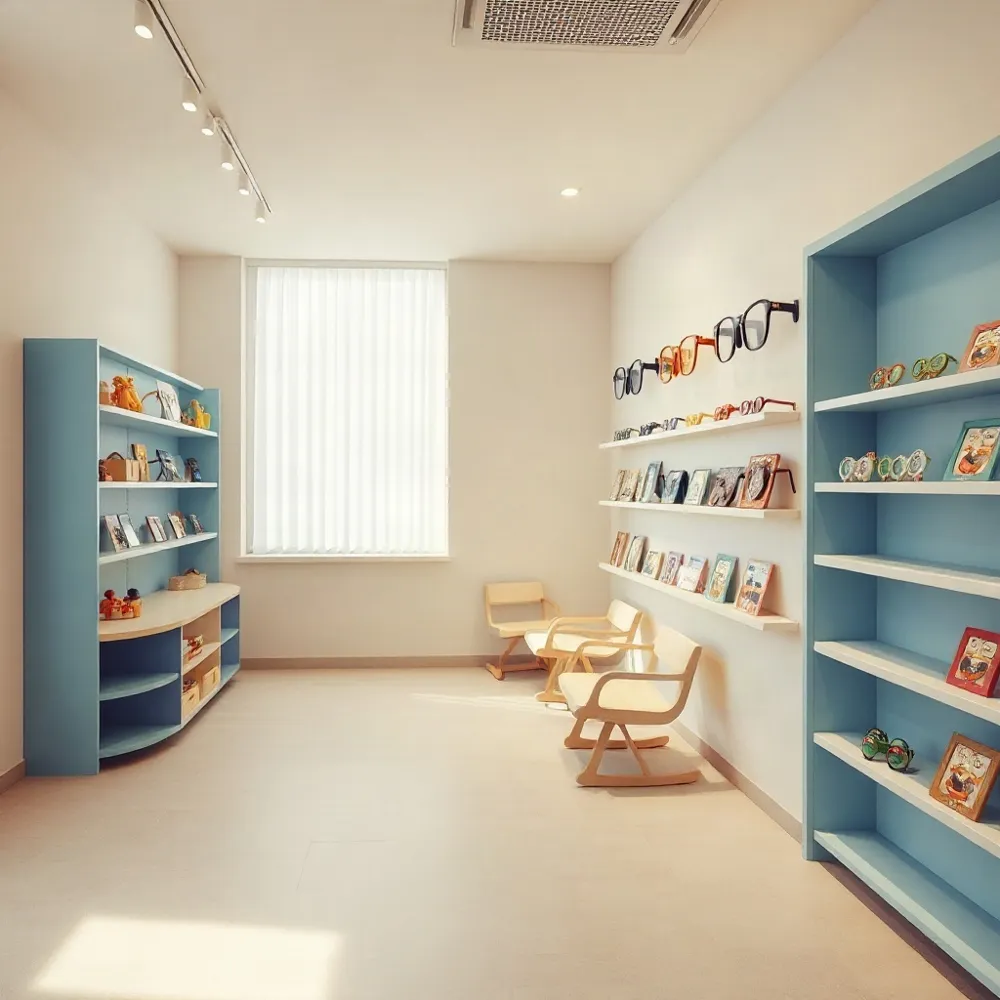 The American Optometric Association recommends that children have their first comprehensive eye exam between 6 and 12 months of age. This early visit establishes a baseline for healthy vision development and can catch issues while they are still easier to treat.
A second exam is important between ages 3 and 5. During these years, conditions like crossed eyes or lazy eye often become noticeable. Scheduling an in-person optometric eye examination at this stage helps ensure vision is developing normally before school begins. At Rio Vista Optometry, Dr. Camen provides pediatric eye exams that assess focusing, eye teaming, and overall eye health.
Before starting first grade, a third exam helps set up success in the classroom and on the playground. Clear vision is essential for reading, writing, and sports. After that, yearly visits track vision changes as your child grows.
Yearly eye exams are an important part of preventive health care — you can have great vision and still have an undiagnosed condition affecting one or both eyes.
Rio Vista Optometry makes it easy for San Diego families to follow this schedule with warm, thorough exams that keep kids comfortable from the very first visit.
Top Warning Signs Your Child May Need Glasses
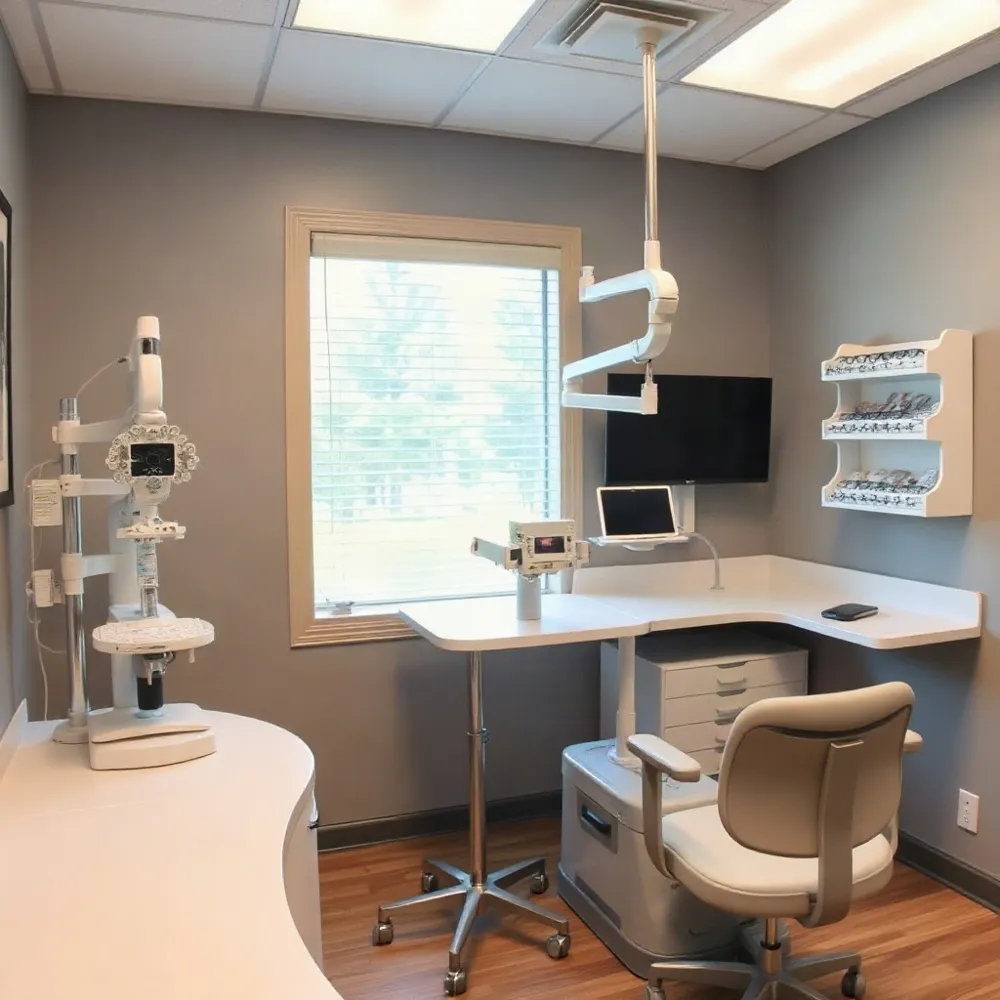 Children rarely tell a parent that their vision is blurry. More often, they adapt — squinting, moving closer, or simply avoiding the task that makes their eyes work too hard. Knowing what to watch for can make the difference between a child who struggles quietly and one who gets the help they need. According to the American Optometric Association, one in four school-age children has a vision issue, and many go undiagnosed because the signs are easy to miss.
Physical Adjustments: Squinting, Head Tilting, and Covering an Eye
When a child squints, tilts their head, or covers one eye while trying to focus, they are manually compensating for blur. Squinting temporarily changes the shape of the eye's lens to sharpen an image, while head tilting or covering an eye often points to misalignment, astigmatism, or a lazy eye (amblyopia). Johns Hopkins ophthalmologist Megan Collins, M.D. notes that these behaviors can indicate a refractive error or that the eyes are not working together as a team.
Proximity to Screens and Reading Material
Sitting very close to the television or holding a tablet, phone, or book just inches from the face is one of the most visible clues of nearsightedness (myopia). A child who scoots up to the classroom board or lowers their head to read is trying to make distant images clearer by bringing them closer. The CDC recommends watching for this behavior alongside other signs like frequent eye rubbing and losing their place while reading.
Eye Rubbing, Headaches, and Tired Eyes
Constant eye rubbing, especially during or after homework, screen time, or other near work, is a classic signal that the eyes are overexerting themselves. Complaints of headaches, itchy or burning eyes, or simply saying “my eyes feel tired” at the end of the day can mean the visual system is working harder than it should to focus. Prevent Blindness lists these as key behavioral signs that warrant a comprehensive eye exam.
Avoidance, Short Attention Span, and School Struggles
A child who suddenly avoids reading, drawing, puzzles, or crafts may not be losing interest — they may find these activities uncomfortable or frustrating because of blurry or unstable vision. Mayo Clinic Health System points out that a short attention span and difficulty concentrating on schoolwork can be hidden signs of vision problems, not attention issues. Skipping lines while reading, using a finger to track words long after peers have stopped, or declining grades in subjects that require visual detail all deserve a closer look.
Clumsiness and Poor Hand-Eye Coordination
If your child has trouble catching a ball, frequently trips, or struggles with fine motor tasks like coloring inside lines, building with blocks, or buttoning a shirt, depth perception or focusing issues may be the underlying cause. UAB Medicine notes that poor sports performance and general clumsiness can stem from vision problems that affect how the brain processes spatial information. At Rio Vista Optometry, pediatric exams evaluate these aspects of vision — not just how clearly a child sees a chart — to catch issues that might otherwise be mistaken for developmental delays.
What to Expect During a Kids' Eye Exam
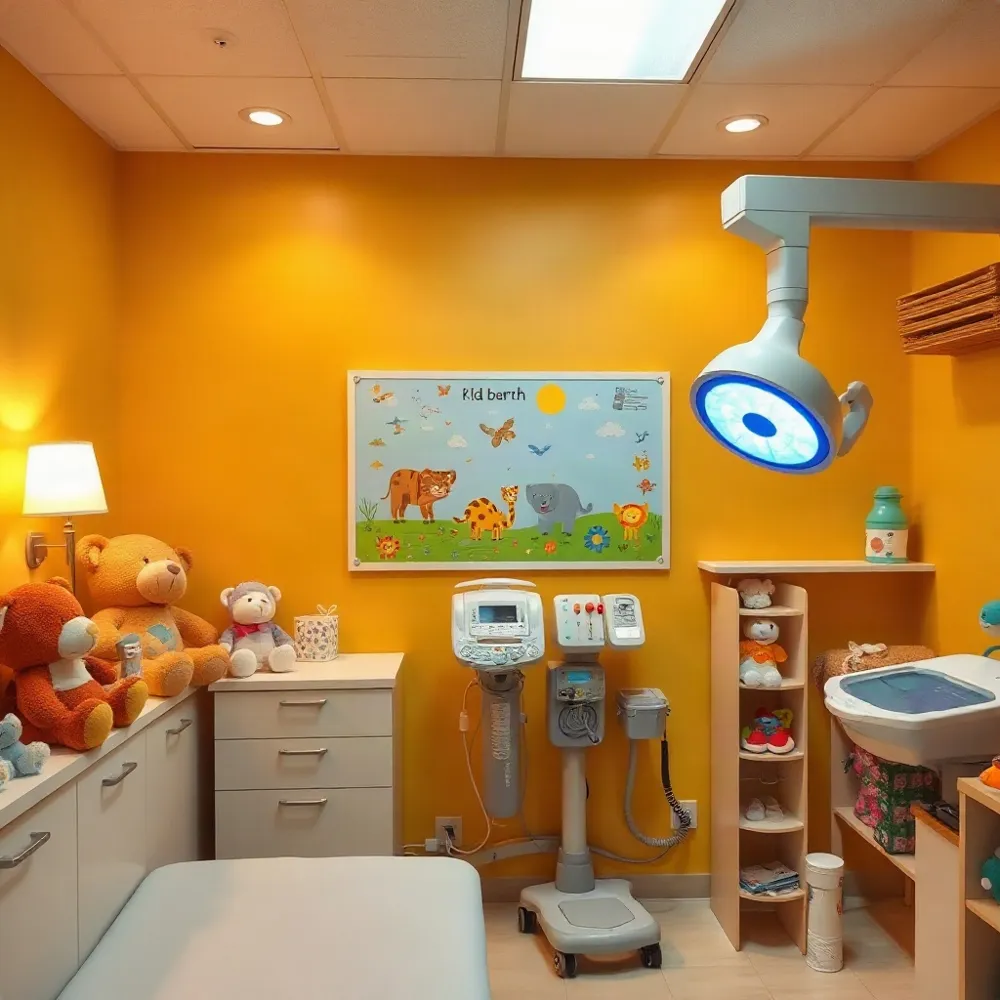 A child's eye exam looks different from an adult's, and for good reason. A pediatric eye exam uses age-appropriate techniques to make the experience comfortable and even fun. For infants and toddlers, the optometrist checks pupil responses to light and uses special striped cards (called preferential looking tests) to measure visual acuity without requiring the child to say a word. No letters or eye charts are needed.
As children grow, the exam adapts. Preschoolers may be shown picture charts or the tumbling-E chart, which asks them to point in the direction the "E" is facing. Older children can use standard letter charts. The goal at every age is to assess visual acuity, eye alignment, and how well the eyes work together as a team.
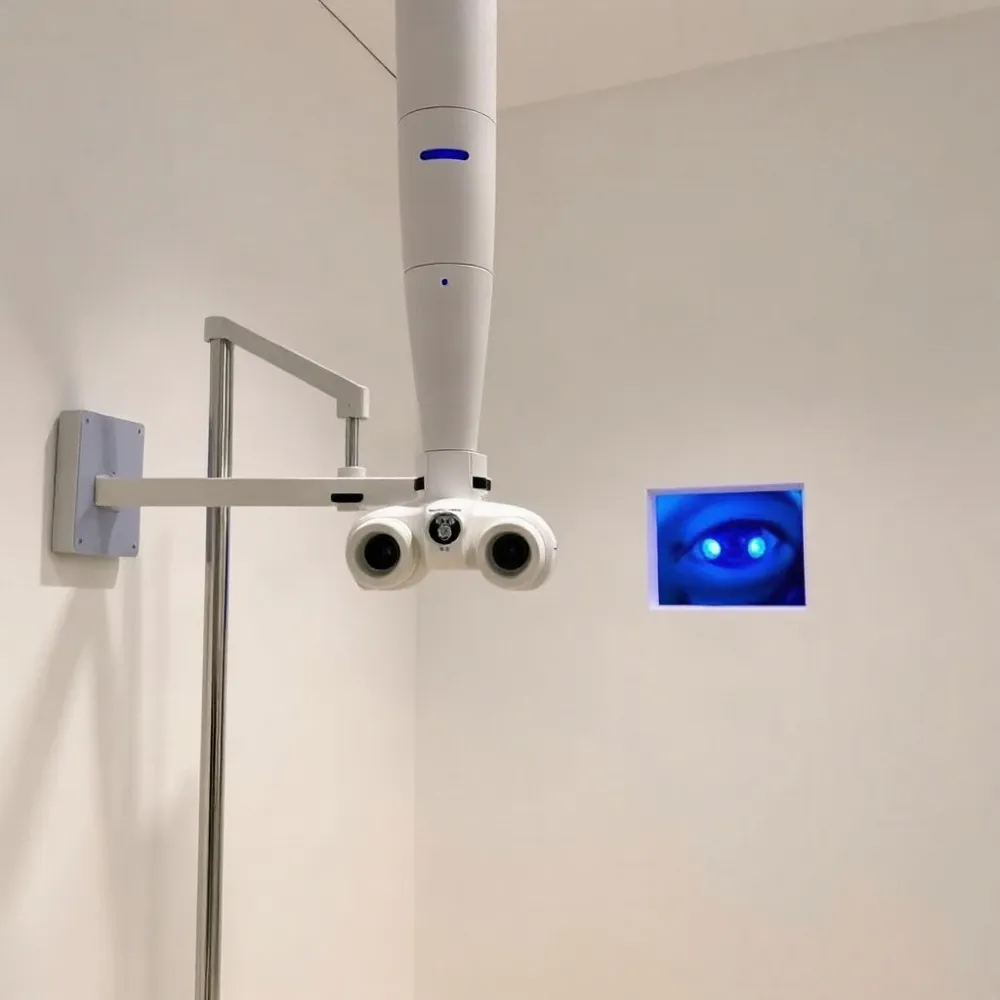
An autorefractor is a common tool in pediatric exams. It shines a light into the eye and measures how it reflects off the retina, giving the optometrist an accurate prescription estimate without requiring the child to say "which is clearer, one or two." This makes the process nearly effortless, even for shy or very young patients.
Dilation drops are typically part of a comprehensive children's exam. The drops widen the pupil, allowing the doctor to check the health of the inner eye, including the retina and optic nerve. While the drops may sting briefly and cause some light sensitivity for a few hours, they provide an essential window into the eye's overall health that no other test can match.
At Rio Vista Optometry, we design our pediatric exams to be engaging and stress-free. Dr. Camen and the team take time to explain each step in terms a child can understand, comparing instruments to tiny flashlights or a kaleidoscope. The result is a warm, unhurried experience that helps your child feel comfortable — and leaves you confident that their vision is on track.
Common Childhood Eye Conditions Explained
Children can develop a range of vision problems, many of which are easily treatable when caught early. Understanding these conditions helps you know what to look for and when to seek care.
Myopia. Also called nearsightedness, myopia makes distant objects look blurry while close objects stay clear. It often stems from genetics or excessive time spent on close-up activities like reading or using screens.
Hyperopia. Farsightedness makes it difficult to focus on near objects. Children with hyperopia may complain of headaches or eye strain after reading or doing homework because their eyes work harder to see clearly up close.
Astigmatism. This condition happens when the cornea is shaped irregularly, causing blurred or distorted vision at any distance. It can occur alongside myopia or hyperopia.
Amblyopia. Commonly called lazy eye, amblyopia means one eye doesn't develop proper vision. It is often treatable if caught before age 7 or 8, which is why early comprehensive eye exams are so important.
Strabismus. Crossed or wandering eyes affect alignment and depth perception. Without treatment, strabismus can lead to amblyopia.
Convergence insufficiency. This condition makes it hard for both eyes to work together when focusing on a near object. It can cause double vision, eye strain, and difficulty reading — especially during extended screen time.
Each of these conditions can affect a child's comfort and performance in school, sports, and daily activities. The American Academy of Ophthalmology notes that early detection and treatment are vital while a child's visual system is still developing.
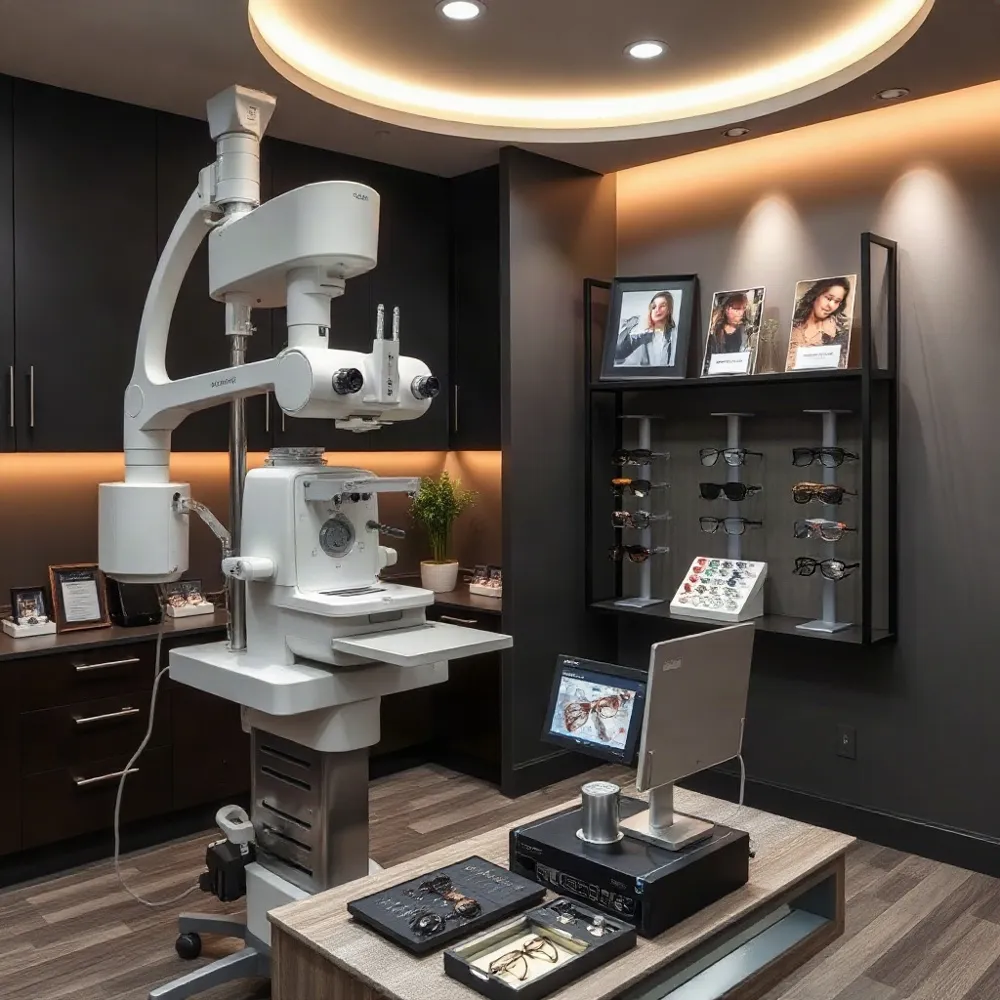
At Rio Vista Optometry, Dr. Camen uses advanced diagnostic equipment to detect these conditions early and provide personalized care. Whether your child needs a prescription for glasses or treatment for a more complex issue, the friendly team helps you understand the diagnosis and find the right solution.
Why School Screenings Aren't Enough
It's a common scenario: your child passes the school vision screening with flying colors, yet they still struggle to see the board, complain of headaches after reading, or avoid homework altogether. While school screenings serve an important purpose, they are not designed to catch every type of vision problem. In fact, research from the American Optometric Association shows that one in four school-age children has a vision issue, and many of these go undiagnosed because simple screenings miss them.
According to the American Optometric Association, school vision screenings typically only check distance visual acuity — how clearly a child sees letters on a chart from 20 feet away. They do not evaluate how well the eyes work together (binocular vision), eye alignment (strabismus), depth perception, focusing ability, color vision, or overall eye health. Studies cited by the American Optometric Association indicate that screenings may miss as many as 60% of children with vision problems. Passing a screening can give parents a false sense of security, leaving treatable conditions undiscovered.
What a Comprehensive Eye Exam Covers
A comprehensive eye exam conducted by an optometrist or ophthalmologist goes far beyond reading an eye chart. In addition to checking near and distance vision, a thorough pediatric exam evaluates eye alignment (strabismus), depth perception, eye tracking and teaming, the ability to change focus between near and far objects, internal eye health (using dilation or retinal imaging), and signs of conditions like lazy eye (amblyopia), which is most treatable before age 7. At Rio Vista Optometry in Mission Valley, Dr. Camen uses modern diagnostic equipment to provide this level of detail during pediatric eye exams, helping identify issues that a quick screening would never detect.
Conditions such as convergence insufficiency (where the eyes have trouble turning inward for near work) and amblyopia often have no visible symptoms and won't show up on a basic acuity test. Yet they can cause significant difficulty with reading comprehension, attention, and school performance. A child who is diagnosed with a convergence insufficiency, for example, may benefit from vision therapy or special lenses, which only a comprehensive exam can reveal.
Even when a pediatrician performs an annual vision screening as part of a well-child check, it is not a substitute for a full dilated eye exam. Pediatricians may use photoscreening devices that can detect certain risk factors, but these still cannot evaluate every aspect of visual function. The American Optometric Association recommends that children have a comprehensive eye exam at age 3 and again before starting school, with annual exams thereafter. For San Diego families, Rio Vista Optometry offers pediatric eye exams that cover all these bases in a friendly, family-like setting, ensuring nothing is overlooked.
Proactive Eye Care Habits for Your Child
Beyond yearly exams, daily habits play a significant role in protecting your child's vision. Research shows that time outdoors can reduce the risk of developing myopia (nearsightedness), even in children with a genetic predisposition. Encourage at least an hour of outdoor play each day to give their eyes a break from close-up focus and a chance to look at distant objects naturally.
Screen time is a modern reality, but it can lead to digital eye strain, especially when kids forget to blink and hold devices too close. Teach your child the 20-20-20 rule: every 20 minutes, look at something 20 feet away for at least 20 seconds. This simple habit helps relax the eye muscles and can prevent headaches and fatigue associated with prolonged screen use.
UV protection is just as important for young eyes as it is for adult ones. Children's eyes are more vulnerable to UV rays, so well-fitting sunglasses with UV protection should be worn on both sunny and cloudy days. For sports and active play, consider protective goggles to prevent injuries. Rio Vista Optometry's team can help San Diego families find the right protective eyewear that fits comfortably and looks great.
A balanced diet packed with eye-friendly nutrients supports healthy vision as children grow. Include foods rich in vitamin A (carrots, sweet potatoes), vitamin C (oranges, bell peppers), vitamin E (nuts, seeds), and lutein (spinach, kale). Omega-3 fatty acids found in fish like salmon also contribute to eye health. These simple dietary choices complement the care provided during comprehensive exams at your local optometrist.
Schedule Your Child's Eye Exam at Rio Vista Optometry
If you've noticed any of the warning signs described in this article, the next step is simple. Scheduling a comprehensive pediatric eye exam at Rio Vista Optometry in Mission Valley, San Diego, gives your child the best chance for clear, comfortable vision.
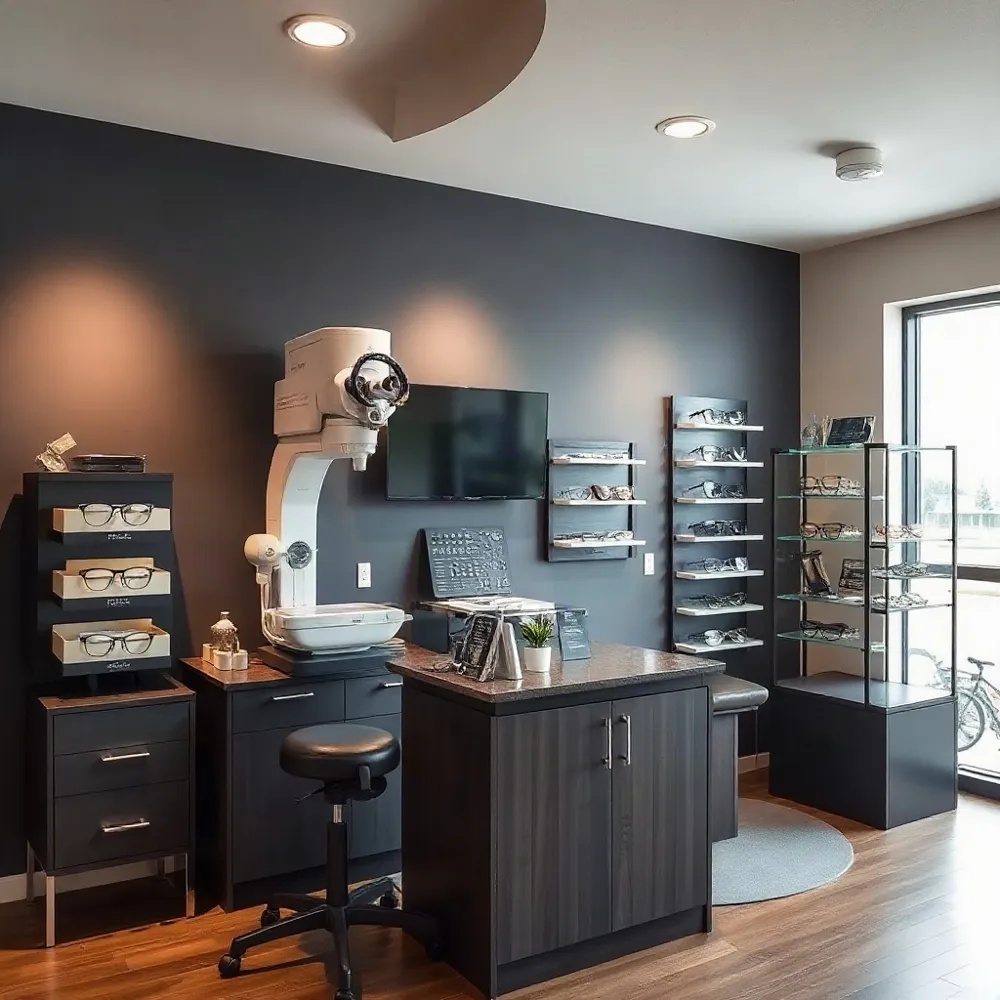
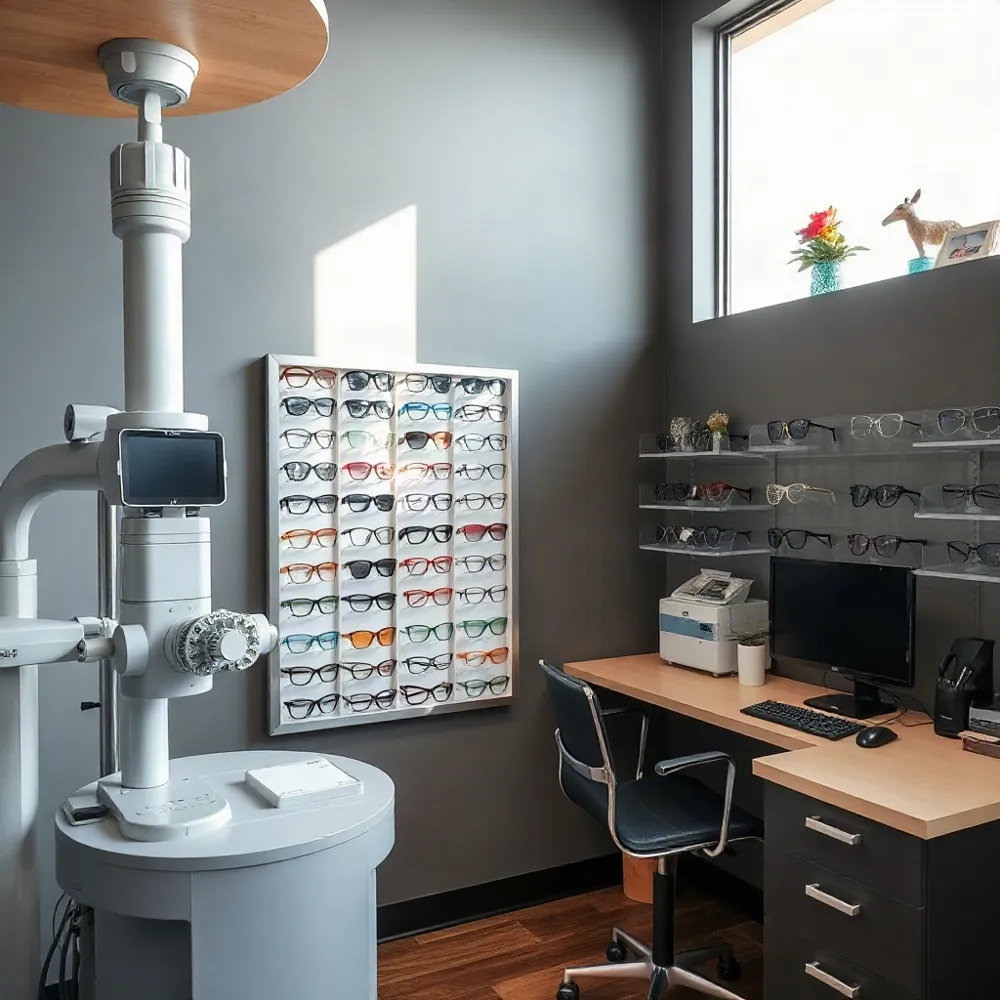
Dr. Camen, a California-licensed optometrist with experience across private, corporate, hospital, and military settings, brings a warm, family-friendly approach to every exam. The practice uses modern diagnostic equipment for precise prescriptions and offers one of San Diego's largest selections of designer frames, so your child can find glasses they'll actually enjoy wearing.
The team also assists with insurance and payment options to make care accessible. Call 619-607-3277 or visit the practice at 2195 Station Village Way, Suite B, to schedule an appointment.