Your Guide to Choosing Glasses in San Diego
Beyond the basics, a few finer points can make the difference between glasses you merely wear and glasses you genuinely enjoy. For example, many people overlook the quality of the hinges. Spring hinges, which flex outward, resist the wear and tear of daily on-and-off and are a worthwhile feature, especially for kids. When you shop at Rio Vista Optometry, the team takes the time to explain these small but meaningful details, ensuring your frames not only look great but also stand up to real life.
Another detail often missed is the importance of a proper fit at the nose pads and temples. Frames that slide or pinch cause constant adjustments and headaches. During your appointment at Rio Vista Optometry, the staff will fine-tune the fit so your glasses sit comfortably and stay put. This personalized attention, paired with their wide selection of designer frames, means you leave with eyewear that feels as good as it looks.
Start With a Comprehensive Eye Exam
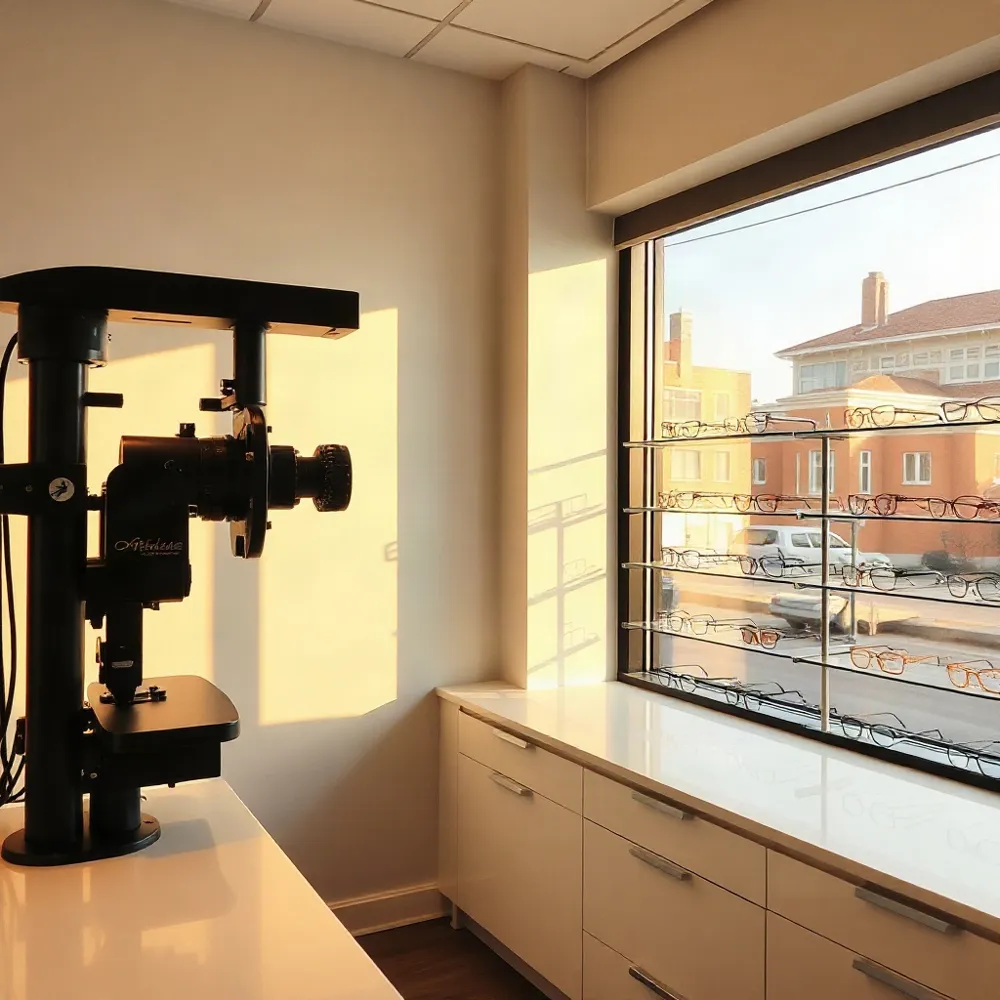 The single most important step in choosing new glasses isn't picking a frame. It's getting an accurate, up-to-date prescription from a thorough eye exam. A precise prescription affects everything that follows, from how clearly you see to how comfortable your glasses feel throughout the day.
An eye exam does far more than update your prescription. It checks the health of your eyes and can catch early signs of conditions like glaucoma, cataracts, and macular degeneration. For many people, the exam also reveals subtle focusing or eye-coordination issues that cause headaches or eyestrain, especially after long hours in front of a screen.
What a Complete Exam Covers
- A refraction test to fine-tune the exact lens power your eyes need
- A check of how well your eyes work together and track moving objects
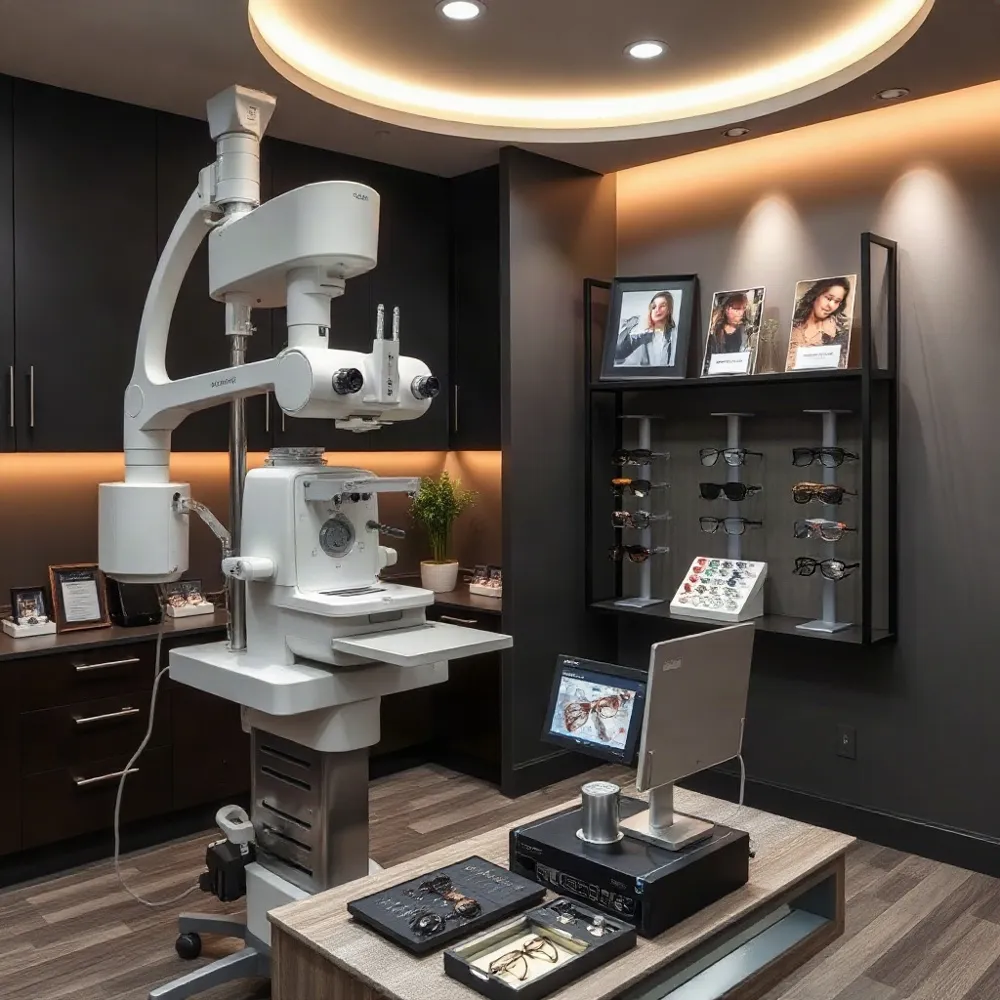
- Internal eye health screening using a slit lamp and other modern tools
- Glaucoma screening through tonometry, which measures eye pressure
Rio Vista Optometry performs these tests using up-to-date diagnostic equipment that goes beyond the standard automated screening many chains rely on. Dr. Camen, a California-licensed optometrist with experience across private, corporate, hospital, and military settings, takes the time to explain what each test shows and answers every question you bring.
Bringing your latest prescription, a list of any medications you take, and a sense of how you use your eyes day to day (think computer work, driving, or outdoor sports) helps your optometrist recommend the most suitable lens options for your lifestyle. This preparation means your exam visit is both efficient and personally tailored.
Why a Full Picture Matters
Skipping a comprehensive exam and relying on an old prescription can lead to headaches, eyestrain, and even a false sense of security about your eye health. For example, a 2020 report from the American Academy of Ophthalmology noted that many eye conditions develop without noticeable symptoms, making regular exams essential. While some big-box optical chains offer quick refraction-based checks, Rio Vista Optometry pairs those measurements with a full health evaluation, so your new glasses are built on complete, current information.
With a precise prescription in hand, you're ready to think about frames. The pages ahead cover how to match frames to your face shape and skin tone, which lens materials offer the best durability and value, and how to navigate lens add-ons like blue-light filters and anti-scratch coatings without overspending.
Determine Your Face Shape for Flattering Frames
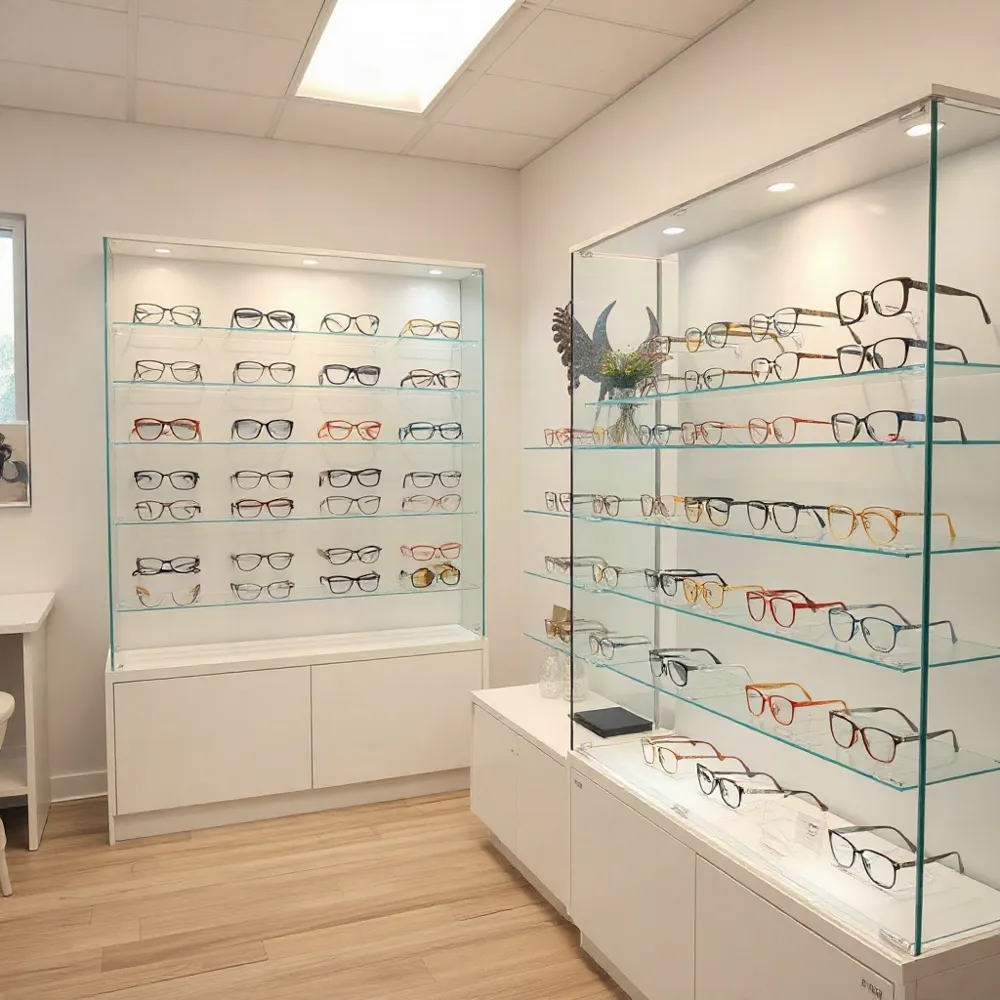 San Diego's perpetual sunshine means your glasses do double duty: they correct your vision and shield your eyes from that bright, coastal light. But with so many shapes, materials, and lens options, it's easy to feel overwhelmed. A systematic approach helps you land on a pair that feels like you and performs all day, whether you're commuting on the 8 or hiking in Balboa Park.
Before you worry about aesthetics, give yourself a clear answer on the two questions that matter most: the shape of your face and the way you'll actually use the glasses. Your lifestyle dictates whether you need impact-resistant polycarbonate for weekend sports, blue-light filtering for screen-heavy workdays, or progressive lenses for seamless distance and reading vision. Rio Vista Optometry, a family-like practice in Mission Valley, builds every fitting around these practical details, helping you sort through the options without pressure or overselling.
What Does “Heart” Mean in Eyewear?
Take a moment to assess your face's proportions, not in a mirror-comparing way, but as a quick guide. If you have a heart-shaped face, the broad forehead, high cheekbones, and narrower chin pair well with frames that soften the temples and add width at the jawline. Rounder faces benefit from angular or rectangular frames that add definition, while square faces often suit rounded or oval styles that balance strong jawlines. A simple online guide like [this one](https://www.wikihow.com/Choose-the-Right-Eyeglass-Frames-for-Your- Face) can give you a starting point, but your personal features should always take priority over any rule.
At Rio Vista Optometry, Dr. Camen, a California-licensed optometrist with experience in private, corporate, hospital, and military settings, personally guides you through this step. Rather than handing you a mirror and walking away, she studies your facial structure, your prescription, and how you live, then narrows the huge display to frames that look balanced and feel comfortable. It's this personalized fitting that turns a routine purchase into a confident choice.
Finding the Price Point That Fits
Glasses prices swing wildly, and you don't need to spend a fortune for quality. A guide to budget-friendly eyewear from a direct-to-consumer brand shows that basic single-vision lenses and a simple plastic frame can cost well under $100. At the other end of the spectrum, a specialty frame material like high-end titanium or a designer house with progressive lenses might run several hundred dollars. The prompt, however, is to find your signature pair without stretching your budget.
For example, a comprehensive guide to frame materials notes that while basic plastic frames can be durable and inexpensive, metal frames are often lighter and more adjustable, which matters for all-day wear. The key is to decide your maximum budget before you start trying on frames. Rio Vista Optometry works with you on this, transparently discussing pricing for lenses, lens coatings, and premium materials so there are no surprises at checkout. They also help with insurance and payment options, easing the financial and logistical hurdles of eye care.
- Set a firm budget range before browsing, and mention it openly to your optician.
- Prioritize what matters: thin lenses, anti-reflective coating, or a brand you love.
- Compare the total cost, including the frame, lenses, and lens add-ons, not just the frame's sticker price.
This approach prevents overspending on features you don't need while making room for the pair that genuinely makes you smile.
Finding Your Fit and Function
The perfect style won't help if the glasses slide down your nose or pinch your temples. Fit and comfort are non-negotiables. When you try on frames, pay attention to how they sit on your nose bridge, whether the temples grip without digging in, and if your eyes are perfectly centered in the lenses. A guide to choosing glasses frames emphasizes that the best frame is one that feels weightless, even after hours of wear.
Material. Plastic (acetate) frames are lightweight and come in countless colors, while metal (titanium, stainless steel) is durable, hypoallergenic, and adjustable. For active lifestyles, consider flexible materials like nylon or memory metal, which withstand bending without breaking.
Lens Add-ons. Anti-reflective coating reduces glare from screens and headlights, essential for San Diego's sunny days. Photochromic lenses darken automatically outdoors, pairing your vision correction with built-in sunglasses. And if you're constantly at a computer, blue-light filtering can ease digital eye strain.
World. Think about how you'll use these glasses. Do you need durable lenses for weekend sports, or do you prefer a minimalist titanium frame for the office? Your prescription also matters: higher prescriptions may require thinner, higher-index lenses to avoid heavy, thick edges.
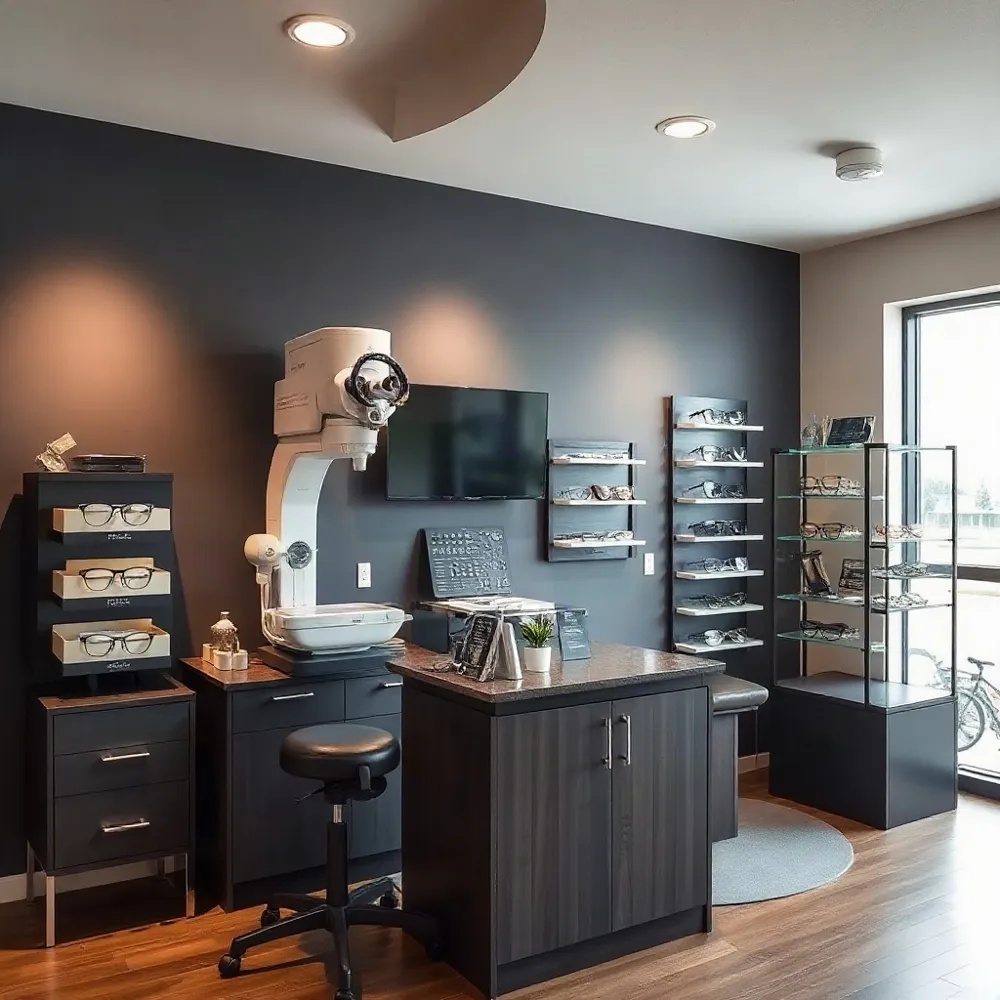
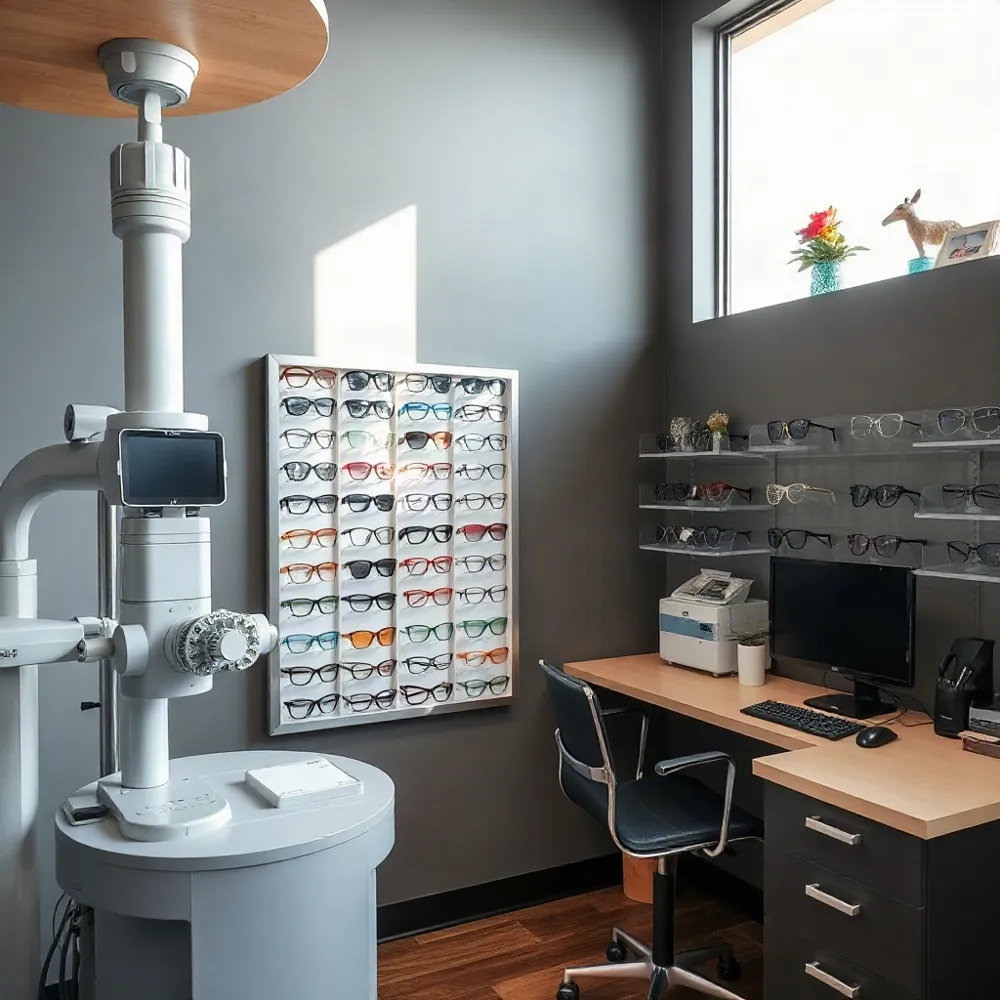
At Rio Vista Optometry, every fitting starts with a comprehensive eye exam using modern diagnostic equipment, ensuring your new lenses match your precise vision needs. Dr. Camen's thorough, honest approach means you'll leave with a clear understanding of your eye health and a frame that fits correctly, not just looks good. They also offer one of the biggest assortments of eyewear brands in San Diego, so you're not limited to a tiny wall of generic frames.
Balancing Style and Substance
A stylish frame is wonderful, but it's only half the story. The real value lies in the complete package: precise prescription lenses, durable construction, and a practice that stands behind their work. A guide to saving money on eyecare reminds you that cheap glasses can sometimes be a false economy if they warp, scratch easily, or don't hold a prescription accurately. Rio Vista Optometry, positioned as a friendly, family-like practice, prioritizes thorough, honest exams without overselling, so you invest in your eye health, not just a fashion accessory.
| Factor | Why It Matters | How Rio Vista Optometry Helps |
|---|---|---|
| Frame Material | Determines durability, weight, and comfort | Advises between lightweight titanium and durable acetate based on your lifestyle |
| Lens Type | Affects clarity, thickness, and daily comfort | Recommends high-index or blue-light lenses from a wide selection |
| Fit and Adjustments | Prevents slippage, headaches, and poor vision | Performs precise adjustments for a comfortable, secure fit |
| Price Transparency | Avoids surprises and ensures value | Explains costs and works with insurance and payment plans |
Choose Durable and Lightweight Frame Materials
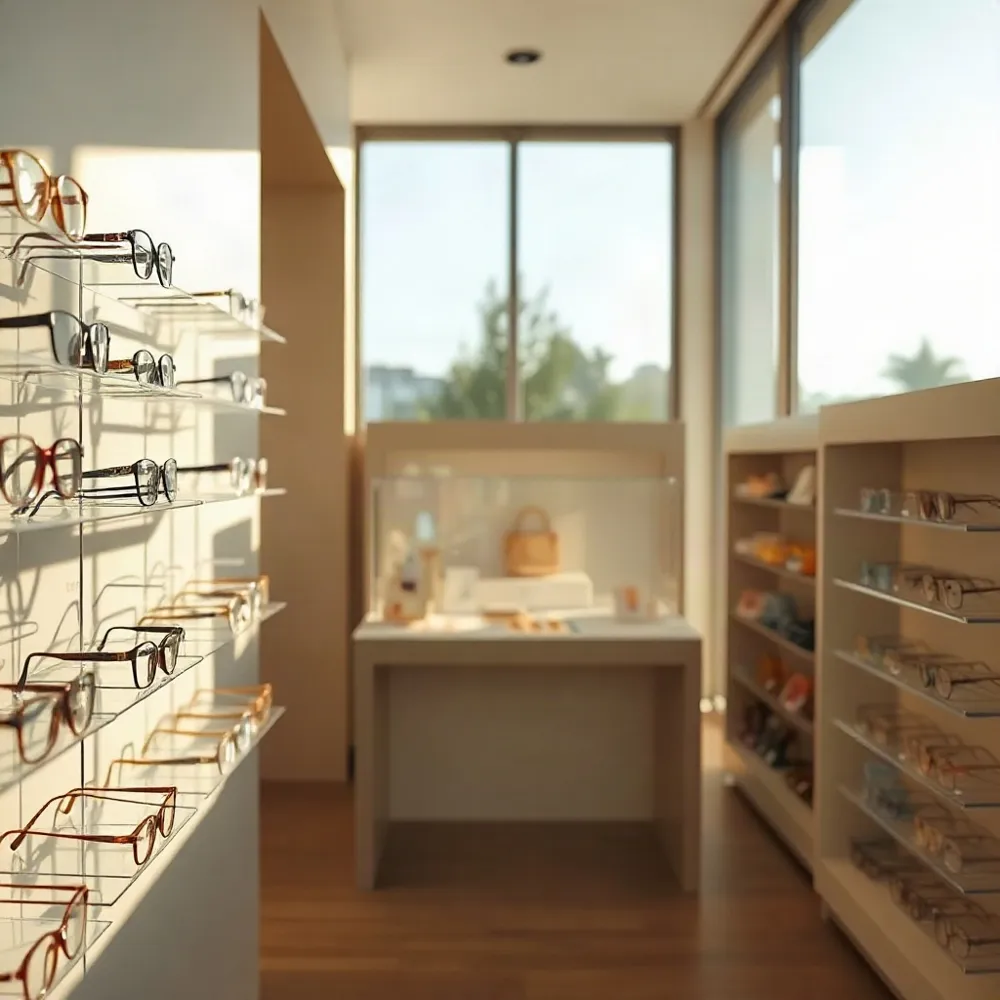 The material of your frames influences more than just looks. It affects durability, weight, comfort, and even how well the glasses hold up during an active San Diego day, whether you are surfing in Mission Beach or hiking in Balboa Park. Knowing the trade-offs helps you pick a pair that feels as good as they look.
Titanium vs. Acetate vs. Stainless Steel
Titanium. Ultra-lightweight, corrosion-resistant, and hypoallergenic. It bends slightly without breaking, making it a top pick for those prone to bending frames during sports or everyday wear.
Stainless steel. A durable, flexible, and more affordable metal option. It resists rust and tarnishing, offering a sleek, thin profile that works well for rimless or semi-rimless designs. Slightly heavier than titanium but still comfortable for all-day wear.
Acetate. A plant-based plastic that is lightweight, hypoallergenic, and available in bold colors and patterns. It is sturdy yet can become brittle over time, especially with rough handling. The high heat and salt air in San Diego make acetate a popular choice for those wanting a fashion-forward look without the weight of metal.
For a detailed breakdown, the Best Material for Glasses Frames guide explains how each material performs in daily use. When you visit Rio Vista Optometry, our team helps you weigh these factors against your prescription and lifestyle, so you end up with frames that are both stylish and practical.
Matching Frames to Your Face Shape and Lifestyle
Your face shape is a key starting point. If you have a round face, angular frames like rectangles add definition, while softer, oval or round frames balance out a square or angular jawline. How to Choose the Right Eyeglass Frames for Your Face offers a simple silhouette-based approach.
Beyond shape, think about your daily activities. Do you spend long hours at a computer or playing sports? Rio Vista Optometry offers modern materials like flexible titanium for active patients and sturdy acetate for those who want a bold statement. We carry one of the largest frame selections in San Diego, so you can try on options in person and feel the difference.
| Material | Pros | Best For |
|---|---|---|
| Titanium | Lightweight, durable, hypoallergenic | Active lifestyles, sensitive skin |
| Stainless steel | Affordable, strong, rust-resistant | Minimalist or rimless designs |
| Acetate | Bold styles, hypoallergenic, lightweight | Everyday fashion, adjustable comfort |
Match Frames to Your Lifestyle and Daily Needs
When you pick new glasses, the frame material matters as much as the shape. Acetate remains a popular choice for its sturdiness and the wide range of colors it comes in, while metal frames are often lighter and more adjustable. The best material depends on how you plan to use your glasses.
For active days or screen-heavy work, a resilient frame can make a real difference. Look for options like spring hinges or flexible materials that hold up to daily wear. At Rio Vista Optometry, Dr. Camen helps you compare materials side by side, so you get a pair that matches your routine without guessing.
Matching Frames to Your Face Shape
Your face shape guides which frames will look most balanced. Round faces often suit angular frames, while square jawlines tend to pair well with softer, rounder shapes. A quick self-check in the mirror or a photo can point you in the right direction before you start browsing.
A warm, personal touch helps here. The team at Rio Vista Optometry walks you through shape options during your visit, so you leave with confidence, not just a pair of glasses.
Lens Options and Coatings That Matter
Beyond frames, your lenses play a big role in everyday comfort. Anti-reflective coating cuts glare from screens and nighttime driving, while blue light filtering can ease digital eye strain. Photochromic lenses darken outdoors and clear up inside, making them a convenient all-in-one choice for San Diego's sunny days.
Rio Vista Optometry pairs your frame pick with the right lens technology for your habits, whether you're at a desk or playing outdoors.
Finding Durable and Budget-Friendly Materials
If you want frames that last without a high price tag, look for flexible metals like titanium or impact-resistant plastics. These materials hold up to daily use while keeping your options affordable. Rio Vista Optometry carries one of the biggest frame selections in San Diego, so it's easy to find a quality pair that fits your budget.
| Material | Best For | Consideration |
|---|---|---|
| Titanium | Active lifestyles | Lightweight and strong |
| Acetate | Style variety | More color choices |
| Stainless steel | Everyday durability | Adjustable fit |
When you're ready to try on options, book an appointment at Rio Vista Optometry. Dr. Camen and the team will help you find frames that feel right for your face, your routine, and your budget.
Understand Progressive Lenses vs. Bifocals
If you need vision correction at multiple distances, you've likely come across two popular options: bifocals and progressive lenses. Both work to help you see clearly up close and far away, but they do so in very different ways. Understanding those differences can help you walk into your eye exam in San Diego confident about which choice fits your lifestyle.
Bifocals have been around for centuries, traditionally featuring a visible horizontal line that divides the lens into two segments: one for distance vision and one for near vision. They're straightforward and often more affordable upfront. Progressives, on the other hand, are often described as "no-line bifocals" because they offer a smooth, gradual transition from distance to intermediate to near vision, with no visible line or abrupt jump. This seamless change can make them feel more natural, especially when you're taking in a scenic view in Balboa Park or reading a menu at a Gaslamp Quarter restaurant.
Key Differences to Consider
Comfort. Progressives provide a more comfortable visual experience because you move your eyes rather than your head to change focus. Bifocals can cause a noticeable "image jump" when your eyes cross the line, which some people find jarring at first.
Appearance. Progressives look like standard single-vision glasses, with no visible line, making them more aesthetically pleasing for many. Bifocals' visible segment can feel dated to some wearers, though others appreciate the clear division.
Cost. Bifocals are typically less expensive than progressives, which require more advanced lens technology and a precise fitting process. This cost difference is one reason many first-time multifocal wearers start with bifocals.
Adaptation. Progressives often require a short adaptation period as your brain adjusts to the changing prescription zones. Bifocals generally have a quicker adjustment since the vision areas are more distinct.
At Rio Vista Optometry, Dr. Camen takes the time to discuss your daily visual needs, whether you're an avid reader, a frequent computer user, or someone who loves spending weekends outdoors. The practice offers one of the largest selections of frames in San Diego, meaning you can pair your chosen lens type with a style that suits your face. Their modern diagnostic equipment helps ensure your prescription is precise, which is especially important for progressives where the fitting measurements often determine how comfortable they are to wear.
Many patients wonder if the added cost of progressives is worth it. For those who value a more natural look and seamless vision at the computer, progressives are often a worthwhile investment. For others who prioritize budget or prefer the simplicity of separate near and far zones, bifocals remain a solid choice. Whichever you lean toward, Rio Vista Optometry's friendly team can help you weigh the pros and cons and select a frame that complements your prescription and your lifestyle.
| Feature | Bifocals | Progressives |
|---|---|---|
| Visible line | Yes | No |
| Visual transition | Abrupt | Gradual |
| Cost | Lower upfront | Higher upfront |
| Adaptation time | Quicker | May take a few days |
| Ideal for | Budget-conscious, simple needs | Those wanting natural look and varied distances |
Choosing between bifocals and progressives isn't just about the lens; it's about how you live. Your optometrist can guide you based on your daily activities, from working at a computer to playing sports. At Rio Vista Optometry, the goal is to pair you with the clearest, most comfortable vision possible, so you leave both happy and confident in your eyewear choice.
Balance Quality and Value in Frame Selection
Before you browse frames, make sure your prescription is current. Many San Diego residents skip this step and end up with glasses that cause headaches or eye strain. A comprehensive eye exam at Rio Vista Optometry checks more than just your prescription. Dr. Camen evaluates your overall eye health and looks for signs of conditions like glaucoma and cataracts, so you start from an accurate, healthy baseline.
A proper exam also reveals your pupillary distance and other measurements that determine how lenses should be centered in your frames. If you buy eyewear online, these details are hard to verify on your own, and poorly fitted lenses can reduce visual clarity. Having a professional optometrist complete the exam first ensures your next pair of glasses is both comfortable and effective.
Reading Your Prescription
When you get your prescription from the exam, you will see numbers and abbreviations that can look confusing at first. A few minutes learning what they mean helps you communicate better with any eyewear provider and avoid ordering the wrong lenses.
- OD and OS stand for oculous dexter and oculus sinister, which are Latin for right eye and left eye.
- SPH (sphere) corrects nearsightedness or farsightedness; a minus sign means nearsighted, a plus sign means farsighted.
- CYL (cylinder) corrects astigmatism, and your prescription may leave this blank if you do not have astigmatism.
- Axis describes the orientation of the cylinder correction and is a number between 1 and 180.
- PD (pupillary distance) is the distance between your pupils, measured in millimeters, and is essential for proper lens centering.
Find Frames That Fit Your Budget
When you search for new glasses, the widest selection only helps if you know what to look for. Start by thinking about how you actually use your frames. Do you spend your days at a computer, outdoors under the San Diego sun, or switching between meetings and weekends? Your daily routine should guide the frame material, lens shape, and coating you choose, not just the latest trend on the shelf.
Frame material matters as much as shape. Lightweight titanium or flexible acetate handles active days well, while classic metal offers a polished, professional look. For a detailed breakdown of how different materials compare, check out this guide to eyeglass frame materials. And if you are still torn between styles, this overview of choosing glasses frames walks through matching frames to your face shape and lens type.
Face Shape. Round faces often suit angular or rectangular frames that add definition, while square faces pair well with rounded or oval styles. A quick mirror test or a stylist's eye can help you identify which shapes balance your features.
Lens Type. Single vision, bifocals, progressives, and blue-light blocking lenses each serve different needs. Your prescription and daily screen time determine which lens works best, so review options with an optometrist before committing.
Lifestyle Fit. Athletic frames with rubber nose pads stay put during sports, while reading glasses with thin temples slide easily into a pocket or purse. Consider where you will store them and how often you switch pairs.
One of the best tools in your corner is your eye care provider. A thorough eye exam does more than check your prescription; it reveals how your eyes work together and flags early signs of conditions like dry eye or digital eye strain. When you visit a practice like Rio Vista Optometry in Mission Valley, you get a detailed assessment using modern diagnostic equipment, then a curated selection of frames that match your prescription, face, and style preferences. Instead of guessing between dozens of similar-looking options, you walk away with frames that fit properly and lenses that feel right.
Budget also plays a part. Quality frames do not have to break the bank, but cheap, poorly constructed options often end up causing discomfort or needing replacement. The trade-off usually shows up in fit, hinge durability, and lens clarity. For a rundown on what separates worthwhile frames from flimsy ones, this article on avoiding cheap glasses highlights the red flags to watch for, such as weak hinges and easily scratched lenses.
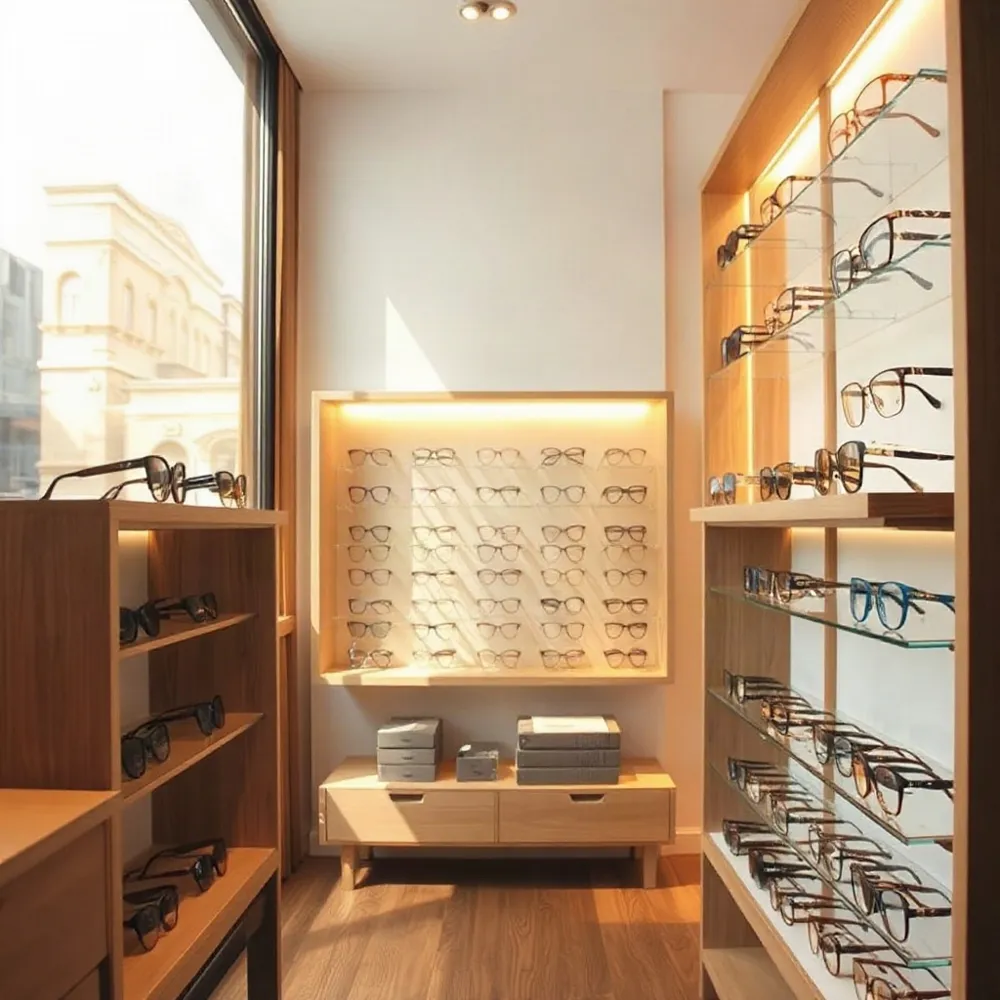
Ultimately, the right glasses feel like an extension of you. They stay put when you move, flatter your face, and make your vision crisp. Take your time, bring your lifestyle into the conversation, and let an expert narrow the field. Rio Vista Optometry offers one of the largest selections of designer eyewear in San Diego, so you can try on several contenders before deciding. With a friendly, patient-focused approach and help navigating vision insurance, they make the process smooth from exam to final fitting.
Explore Current Frame Trends With a Personal Touch
The material of your eyeglass frames shapes more than looks; it affects weight, durability, and how the glasses feel after a full day. Understanding a few basics helps you zero in on options that fit your habits, whether you need sturdy frames for kids, lightweight styles for all-day wear, or a hypoallergenic choice for sensitive skin.
Metal frames, including titanium and stainless steel, are known for being lightweight and corrosion-resistant. Titanium, in particular, offers a hypoallergenic option with excellent flexibility, making it a favorite among people who spend long hours in front of screens or outdoors. Plastic frames, such as acetate or nylon, come in a wider range of colors and shapes, and they tend to be more affordable, though they can be heavier and less adjustable.
Comparing the Top Materials
| Material | Weight | Durability | Best For |
|---|---|---|---|
| Titanium | Very light | Excellent | Sensitive skin, active use |
| Stainless steel | Light | Good | Everyday glasses |
| Acetate | Moderate | Good | Style variety, bold looks |
| Nylon | Light | Very flexible | Sports and kids |
| Aluminum | Light | Good | Adjustable fits |
For a full breakdown of how each material performs, Dr. Kohanov's guide to eyeglass frame materials is a helpful resource on metal and plastic options, and the VSP Direct frame material guide walks through the pros and cons in plain language.
When you visit a practice, you'll want a team that takes the time to match materials to your daily routine. At Rio Vista Optometry, Dr. Camen and the staff bring hands-on experience from private, hospital, and military eye care settings, so they can recommend a frame that handles your specific activities without feeling flimsy or heavy. They carry one of the largest assortments of eyewear brands in San Diego, which means you're not limited to a few generic choices.
Cheap frames might save money upfront, but they often sacrifice adjustability and comfort. The 10 Reasons to Avoid Cheap Glasses highlights issues like poor hinges and skin irritation that come with low-grade materials. In contrast, Rio Vista Optometry focuses on durable, properly fitted frames, so your glasses stay comfortable and secure, whether you're at a Mission Valley café or out hiking in the hills.
Trust Rio Vista Optometry for Your Eyewear Needs
The frame material you choose does more than set the style of your glasses. It determines how light or heavy the frames feel on your nose, how well they hold up to daily wear, and even how long they last before they start to bend or crack. Plastic and metal each have their own strengths, and the right pick often comes down to your lifestyle, your prescription, and whether you need glasses for all-day wear or just specific tasks like computer work or reading.
Plastic Frames: Lightweight and Full of Personality
Plastic frames come in an almost endless range of colors, shapes, and patterns, which makes them a favorite for anyone who wants to express their personality. They are typically lighter than metal, so they sit comfortably on the nose, and they are non-conductive, which is a bonus if you spend time outdoors in cold weather. One thing to know is that some plastic frames can be more prone to bending out of shape, and if you need a strong prescription, thicker lenses can make the frames look heavier. Many modern plastic materials, like acetate, are designed to be flexible and durable, so a well-made pair will hold up well over time.
Metal Frames: Durability Meets Refined Style
Metal frames are known for their strength and their slim, refined look. They use less material to hold your lenses, which gives them a minimalist profile that suits professional settings and everyday wear alike. Metals like stainless steel and titanium are corrosion-resistant and lightweight, while a metal alloy like Monel offers a good balance of strength and value. One trade-off is that some metal frames can slide down your nose, especially in warm weather, but adjustable nose pads help solve that problem. For a guide to the main frame materials and how they compare, this guide to eyeglass frame materials offers a helpful overview of the most common plastic and metal options.
Lens Material and Coatings: The Understood Half of the Equation
While the frame gets all the attention, the lenses are what you actually see through every day. High-index plastic lenses are thinner and lighter than standard plastic, which is a big benefit if you have a strong prescription. Polycarbonate lenses are more impact-resistant and are a smart choice for kids, active adults, and anyone who wants extra durability. Adding a scratch-resistant coating and an anti-reflective layer improves clarity and extends the life of your lenses. If you work on screens all day, a blue-light blocking filter can help reduce eye strain. Taking the time to review the lens materials and coatings when you order helps you get a pair that is both comfortable and effective.
How Durability, Fit, and Price Come Together
The best frame material is the one that fits well and feels comfortable from the moment you put it on. A proper fit means the frames rest evenly on your nose and ears without pinching or sliding. If you are still exploring your options, this step-by-step guide on how to choose glasses walks through the basics of finding a pair that looks and feels right. Durability matters too, especially if your glasses are part of your daily uniform. And price does not always tell the whole story, but there is a difference between a budget pair and a quality one. This guide to finding quality budget-friendly glasses explains what to look for so you can balance cost with quality.
Matching the Material to Your Lifestyle
Your day-to-day activities should influence your frame choice as much as your face shape. If you are an athlete or you spend a lot of time outdoors, a flexible plastic like acetate or a lightweight titanium metal frame will hold up better than a rigid material. If you wear your glasses for long hours in front of a computer, a low-weight frame with adjustable nose pads can help prevent fatigue. And if you are shopping for your first pair or a back-up pair, the same rules apply. The team at Rio Vista Optometry understands these trade-offs and carries a wide range of frames from both material families, so you can compare the weight, fit, and feel side by side before you decide.
Which material ultimately wins? There is no single correct answer. The right frame is the one that feels secure, looks like you, and fits your daily habits. If you are unsure where to start, a professional exam can give you a clear prescription and a starting point for lens thickness, then you can focus on the fun part of trying on different styles. This guide to choosing eyeglass frames is a good reference for weighing your options against your face shape and features. Whatever you choose, a well-fitting pair made from a quality material will do more than clarify your vision, it will feel good enough to wear every single day.
In the end, the material you pick sets the foundation for how your glasses perform and how they make you feel. Plastic frames offer lightweight style and endless color options, while metal frames bring durability and a refined look. Your choice depends on your prescription strength, your lifestyle, and your personal taste. The next step is simple: book an appointment and let the friendly team at Rio Vista Optometry help you sort through the options. With a full selection of frames and the guidance of an experienced optometrist, you will leave with a pair that checks every box on your list.