Seeing Clearly Starts with More Than a Prescription
Many common eye diseases, such as glaucoma and macular degeneration, develop silently and often without noticeable early symptoms. By the time changes in vision become apparent, some damage may already be irreversible. This is why relying only on how clearly you see can leave serious conditions undetected for too long.
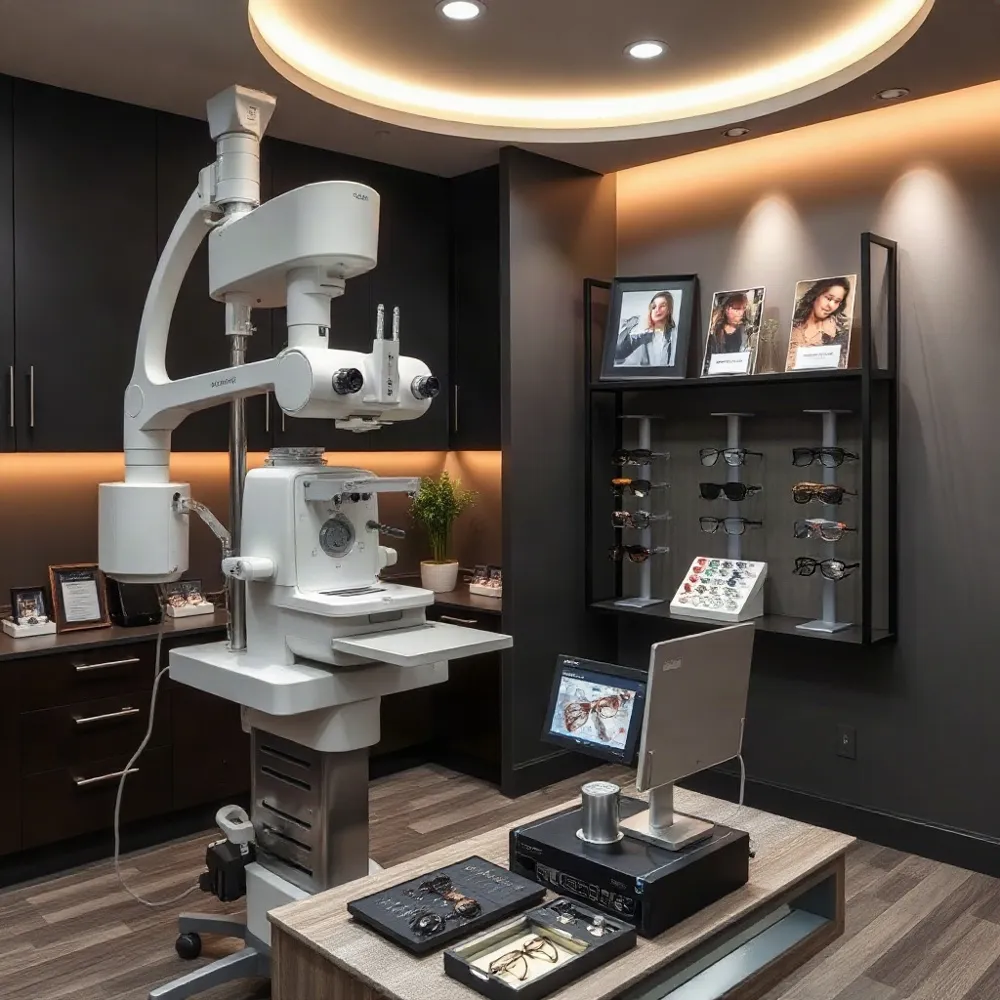
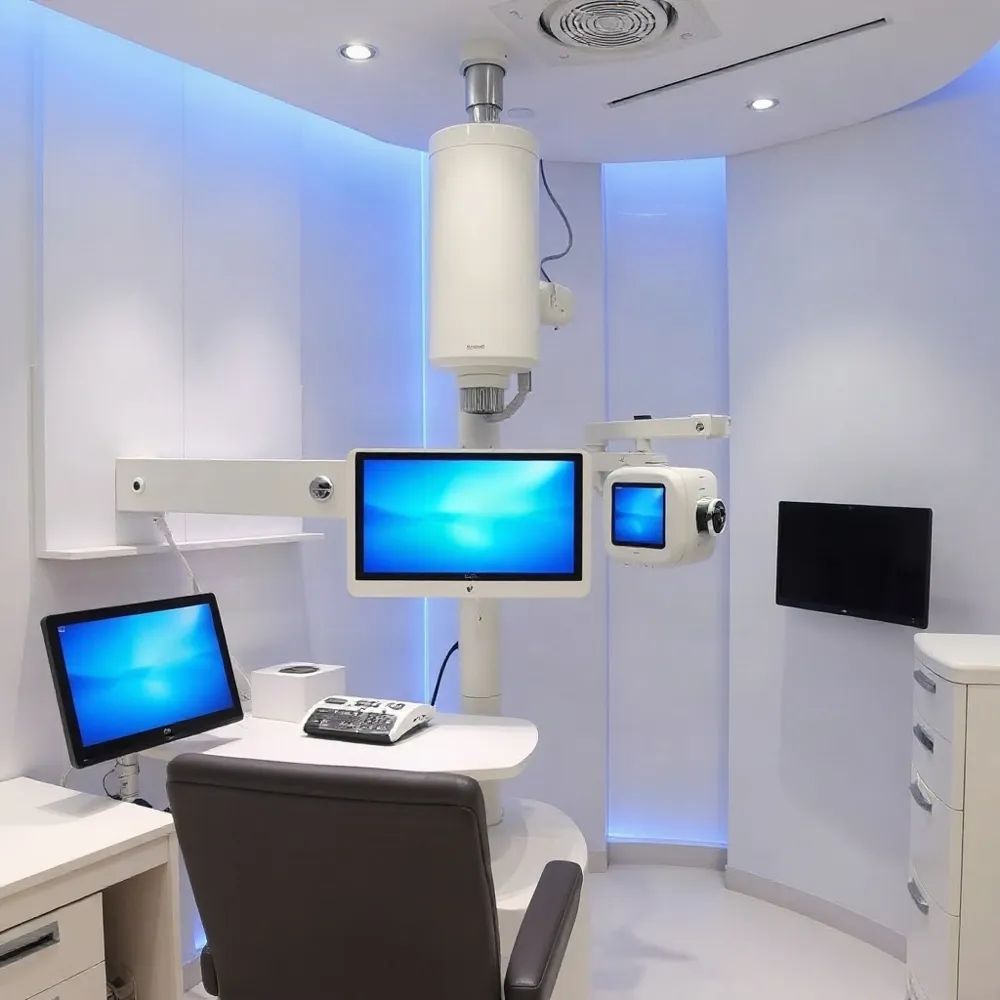
Modern diagnostic tools, including optical coherence tomography (OCT) and digital retinal imaging, allow your eye doctor to view the internal structures of your eyes in extraordinary detail. These technologies make it possible to spot subtle signs of disease long before symptoms appear, supporting earlier treatment and better long-term outcomes.
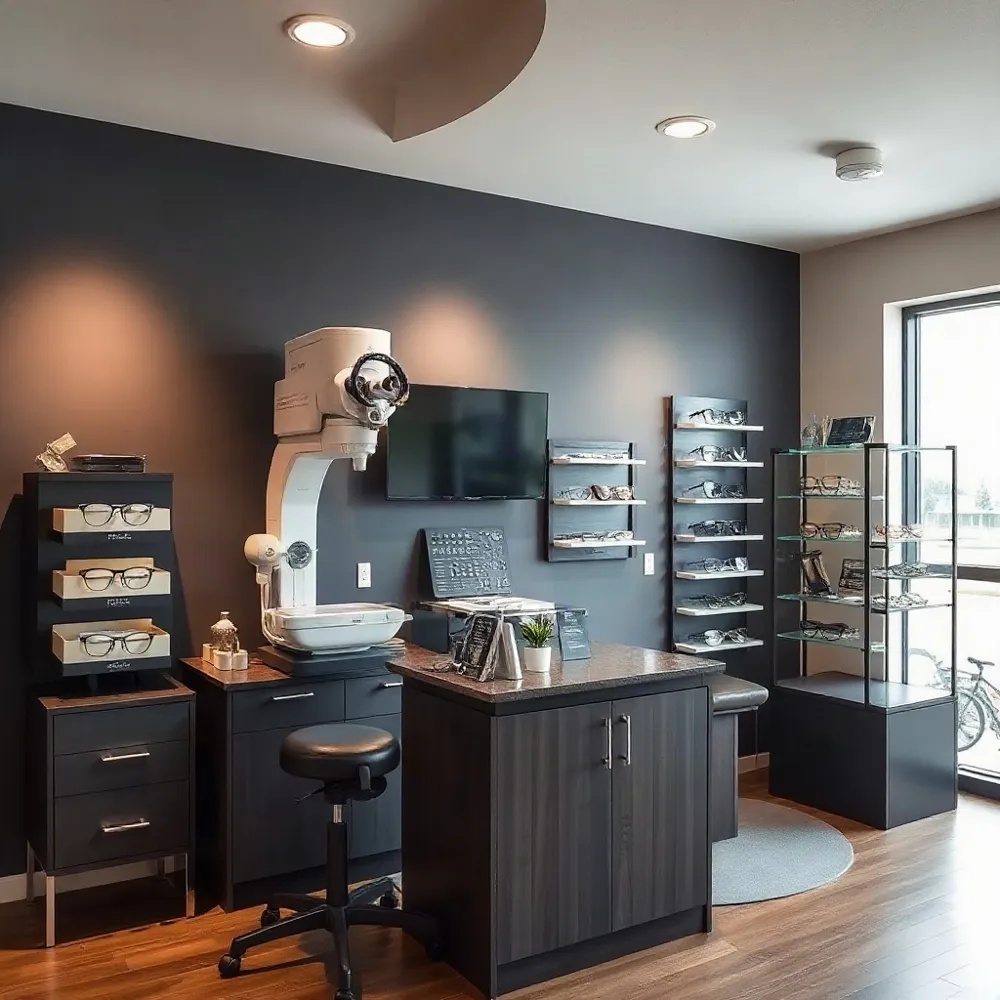
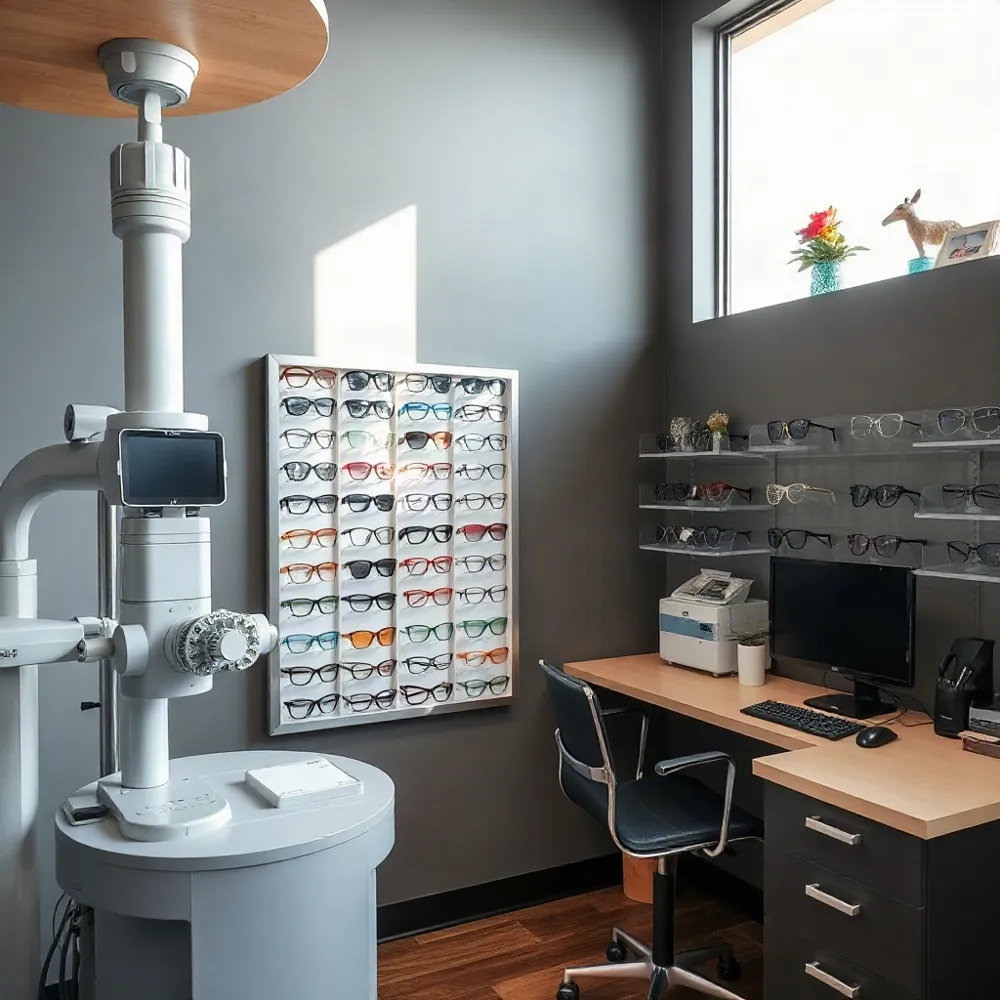
At Rio Vista Optometry in San Diego, Dr. Camen combines advanced equipment like OCT, visual field testing, and tonometry with thorough, honest examinations. The practice's commitment to modern diagnostics means you receive a complete picture of your eye health — not just a prescription update. For Mission Valley residents seeking personalized care, this approach helps catch concerns early and keeps your vision on track for years to come.
Common Eye Diseases That Threaten Your Vision
 Several eye conditions can develop without obvious symptoms and, if left undetected, may cause lasting vision loss. Understanding the most common ones helps you take the right steps to protect your sight.
Cataracts
Cataracts are a leading age-related cause of vision loss, especially after age 55. The eye’s natural lens becomes cloudy over time, making it harder to see clearly at any distance. Cataract surgery is highly effective, and Rio Vista Optometry can co-manage your care with a surgeon to restore clear vision.
Glaucoma: The Silent Thief of Sight
Glaucoma damages the optic nerve, often due to elevated eye pressure, and can progress without noticeable symptoms until peripheral vision is already lost. That is why the condition is sometimes called the “silent thief of sight.” According to the Glaucoma Foundation, early detection through a comprehensive exam is the best defense, and treatment can slow or halt progression. Rio Vista Optometry uses advanced tools such as a tonometer and OCT scanning to catch glaucoma early and tailor a monitoring plan to your needs.
Age-Related Macular Degeneration
Age-related macular degeneration (AMD) affects the macula, the part of the retina responsible for central, fine-detail vision. It most commonly affects adults over 55 and can make reading or recognizing faces difficult. While there is no cure, early detection through retinal imaging and regular monitoring can slow progression and preserve central vision.
Diabetic Retinopathy
Diabetic retinopathy is a complication of diabetes that damages the blood vessels in the retina. Without timely treatment, it can lead to blindness. People with diabetes benefit from annual dilated eye exams to detect and manage changes before they threaten sight. Rio Vista Optometry provides evaluation and coordinates with your primary care team to keep your eyes healthy.
The common thread across all these conditions is that early detection gives you more treatment options and better outcomes. A comprehensive eye exam at Rio Vista Optometry includes modern diagnostic technology to spot subtle changes in cataracts, glaucoma, AMD, and diabetic retinopathy, helping you protect your vision for years to come.
Understanding Glaucoma and How Optometrists Help
Glaucoma is not a single condition but a group of eye diseases that damage the optic nerve, the vital cable that sends visual signals from your retina to your brain. The most common form, primary open-angle glaucoma, develops when fluid builds up inside the eye, raising intraocular pressure (IOP) and slowly harming the nerve. Because this damage happens without early symptoms, many people do not realize anything is wrong until they have already lost some of their peripheral vision.
While elevated IOP is a central risk factor, it is not the only one. Some people develop optic nerve damage even with normal eye pressure, which is why a comprehensive exam is the only reliable way to catch glaucoma early. During your visit at Rio Vista Optometry, Dr. Camen uses a suite of modern diagnostic tools — including a tonometer to measure pressure, an OCT scanner to measure the thickness of the retinal nerve fiber layer, and a visual field test to map your side vision. Together, these tests can detect glaucomatous changes long before you notice any symptoms.
The Optometrist’s Role in Diagnosis, Treatment, and Monitoring
Optometrists like Dr. Camen are licensed to diagnose and treat glaucoma, and many are highly skilled in managing routine and uncomplicated cases. At Rio Vista Optometry, the goal is to slow or halt disease progression and preserve your sight. Treatment often begins with prescription eye drops that lower IOP, such as prostaglandins or beta blockers — drops that are easy to use at home once or twice daily. Because no two patients are alike, Dr. Camen tailors the medication choice and target pressure to your unique eye anatomy, corneal thickness, and overall health.
Regular monitoring is part of every glaucoma management plan. At each follow-up visit, Dr. Camen compares your latest OCT scans and visual field results with your baseline measurements. This year-over-year tracking is essential because it reveals even subtle progression, allowing your care plan to be adjusted before further damage occurs. Rio Vista Optometry also assists with insurance and payment options, helping make the ongoing care you need more accessible.
When Surgical Care Is Needed
For most patients, eyedrops and regular monitoring are enough to keep glaucoma under control. If your glaucoma does not respond well to medication or progresses despite treatment, your optometrist can coordinate a referral to a trusted ophthalmologist for more advanced procedures. Options like laser trabeculoplasty, trabeculectomy, or minimally invasive glaucoma surgery (MIGS) can improve fluid drainage and lower IOP. This collaborative approach means you receive the best possible support every step of the way — from your initial screening at Rio Vista Optometry through any specialized surgical care.
Tests That Together Diagnose Glaucoma Accurately
Because glaucoma often develops without symptoms, a single test is rarely enough to catch it early. A comprehensive glaucoma exam uses several quick, painless procedures to build a complete picture of your eye health. At Rio Vista Optometry, Dr. Camen combines these tests to provide an honest, thorough assessment without overselling.
Tonometry to Measure Eye Pressure
Tonometry is the familiar "puff of air" test that measures intraocular pressure (IOP) in millimeters of mercury. A reading above 22 mmHg can be a warning sign, but normal pressure varies per person. Dr. Camen uses this quick measurement as a starting point for interpreting your overall risk.
Dilated Eye Exam and Optic Nerve Inspection
After dilating your pupils, Dr. Camen can examine the optic nerve head directly using an ophthalmoscope. The color, shape, and cup-to-disc ratio of the nerve can reveal early signs of glaucoma damage. Research shows that optic nerve changes often appear before any vision loss is noticeable, making this exam a critical part of the screening.
Visual Field Testing for Peripheral Vision Loss
Glaucoma typically affects side vision first. During a visual field test, you focus on a central point and respond to lights that appear in your periphery. Any blind spots or areas of reduced sensitivity are mapped and compared over time. At Rio Vista Optometry, this test helps Dr. Camen spot subtle changes early and track progression with precision.
Pachymetry and Gonioscopy
Pachymetry measures corneal thickness with a quick ultrasonic touch. A thin cornea can make a pressure reading appear lower than it really is, so this test helps Dr. Camen adjust the tonometry result for a truer picture. Gonioscopy uses a contact lens with mirrors to view the drainage angle at the front of the eye, determining whether you have open-angle, narrow-angle, or closed-angle glaucoma — information that directly guides treatment decisions.
Together, these six painless assessments give Dr. Camen the data needed to diagnose glaucoma with confidence. Rio Vista Optometry's modern diagnostic equipment — including OCT, tonometer, and visual field analyzers — supports this thorough approach, helping San Diego patients receive personalized care that protects their sight without unnecessary extras.
Cutting-Edge Imaging That Catches Glaucoma Early
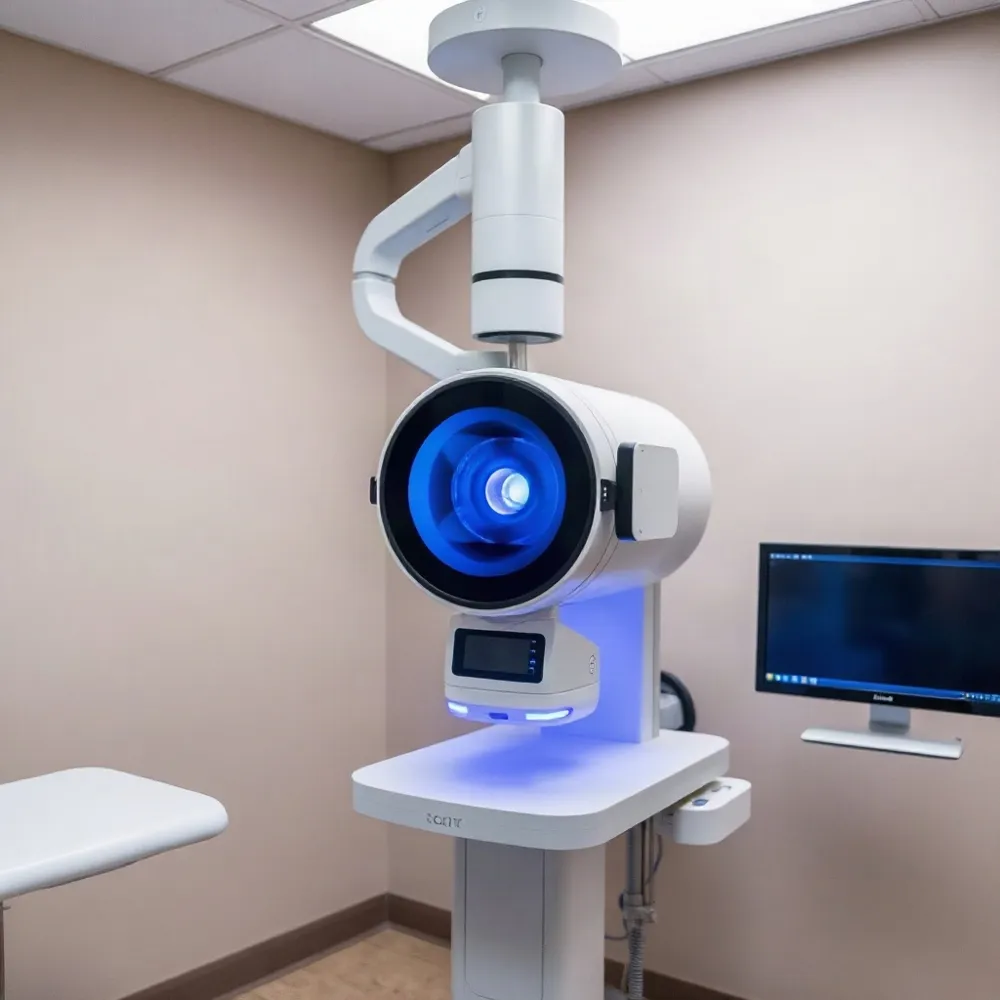 For years, detecting glaucoma meant waiting until you noticed vision loss. Today, advanced imaging tools let your eye doctor see early signs of damage long before you'd notice any changes. One such tool, called Optical Coherence Tomography (OCT), uses light to create detailed pictures of the back of your eye. These images can show thinning of the nerve tissue that may indicate glaucoma, allowing for earlier and more personalized care.
Widefield OCT: A More Complete Picture
Traditional OCT required separate scans of different parts of your eye. Widefield OCT now captures a larger area in a single, faster scan, making the process more comfortable for you while giving your doctor a fuller view. At Rio Vista Optometry, we use this modern technology to detect nerve thinning early, so we can tailor your monitoring and treatment plan to your unique needs.
Seeing Blood Flow Without Dye
OCT angiography (OCTA) is a newer technique that lets us see blood flow in your retina and optic nerve without needing any dye injections. It can detect changes in blood vessel density that are linked to structural damage. This is especially helpful for tracking glaucoma progression over time, even when other tests reach their limits.
By combining these advanced imaging methods, Dr. Camen and our team can identify subtle glaucomatous changes sooner, adjust your follow-up schedule, and start treatment before your vision is affected. We're here to make your eye care experience as comfortable and personalized as possible.
Effective Treatments to Slow or Halt Glaucoma
Because glaucoma cannot yet be reversed—the vision loss is caused by permanent damage to the optic nerve—the goal of treatment is to lower intraocular pressure (IOP) and slow or halt further vision loss. The earlier glaucoma is caught, the more effective treatment can be. Most forms of glaucoma are treatable, and with a personalized plan you can preserve the sight you still have.
First-Line Defense: Prescription Eye Drops
The most common starting point is daily prescription eye drops. These work by either improving fluid drainage from the eye or reducing the amount of fluid the eye produces. Common classes include prostaglandins (e.g., latanoprost), beta blockers (e.g., timolol), alpha-adrenergic agonists (e.g., brimonidine), and carbonic anhydrase inhibitors (e.g., dorzolamide). Your doctor will choose the type and frequency based on your IOP level and overall health—prostaglandins are typically used once a day, while others may be needed twice or three times daily. Consistency is critical; skipping doses can allow pressure to rise and damage to progress.
In-Office Laser Treatments and Minimally Invasive Surgery
For many patients, in-office laser trabeculoplasty is an effective alternative or addition to drops. It helps open the eye’s drainage channels to lower pressure and can be performed in the doctor’s office. Another growing option is minimally invasive glaucoma surgery (MIGS), which uses tiny devices to improve fluid outflow with less risk and faster recovery than traditional surgery. MIGS is often combined with cataract surgery for patients who need both procedures.
At Rio Vista Optometry, Dr. Camen tailors your treatment to your specific type and severity of glaucoma—whether that means prescribing the right drop, recommending a laser procedure, or referring you to a trusted surgeon for advanced care. Our team makes sure you understand every option and how to use your medications correctly, so you feel confident in protecting your vision. If you have been diagnosed with glaucoma or are concerned about your risk, schedule a thorough dilated eye exam with us in Mission Valley. We’ll take the time to walk with you through every step of your treatment.
Hope on the Horizon: Latest Glaucoma Research and Macular Degeneration Advances
 Hope on the Horizon: Latest Glaucoma Research and Macular Degeneration Advances
For years, the main goal in glaucoma care has been to slow vision loss by lowering pressure inside your eye. That's still important, but exciting new research is taking a bolder approach—repairing the optic nerve itself and even restoring sight. These developments bring real hope for you and your family.
Breakthroughs in Glaucoma: Repairing the Optic Nerve
Researchers like Dr. Jeffrey Goldberg at Stanford are testing an eye implant with specially engineered cells designed to repair the optic nerve. This could treat the root cause of nerve damage, not just manage pressure, and potentially restore vision that was once thought lost. Another promising therapy, called Eyetronic, uses gentle external stimulation to support the damaged optic nerve. While these treatments are still in clinical trials, they offer hope for people who haven't responded well to standard pressure-lowering treatments.
New Treatments for Wet and Dry Macular Degeneration
For wet age-related macular degeneration (AMD), newer injectable drugs like Eylea HD and Vabysmo can extend the time between treatments to three or four months. For dry AMD, breakthrough drugs Syfovre and Izervay now target a condition called geographic atrophy to slow its progression. These options mean you can preserve your vision with fewer visits to the doctor.
At Rio Vista Optometry, Dr. Camen stays up to date with these advances and focuses on catching eye diseases early. Using modern diagnostic tools like optical coherence tomography (OCT) and visual field testing, we help you monitor your eye health and make informed decisions about emerging therapies. Early detection gives you the best chance to preserve your vision for years to come.
Personalized Monitoring and Care for Glaucoma Patients
Glaucoma requires ongoing attention, not a one-time fix. Because the disease can progress without noticeable symptoms, the right follow-up schedule is essential to preserving your sight. At Rio Vista Optometry, Dr. Camen designs a monitoring plan based on the type and severity of your glaucoma, rather than applying a generic timeline.
The American Academy of Ophthalmology recommends that patients with moderate to advanced glaucoma be seen every three to six months, while those with early-stage or well-controlled glaucoma may only need visits every six to twelve months. More frequent appointments may be necessary if you are starting a new treatment, experiencing symptoms, or have risk factors that make your glaucoma harder to control. Dr. Camen stays current with the latest clinical guidelines, including the AAO’s February 2026 updates on primary open-angle and angle-closure glaucoma, so every exam reflects evidence-based care.
Consistent medication use is a cornerstone of glaucoma management. Dr. Camen will review your routine at each visit and offer practical tips to help you stay on track, such as linking drops to a daily habit or using a reminder system. She also coordinates with insurance providers to reduce financial and logistical barriers, making it easier to maintain consistent care. Patients describe her as thorough, honest, and never pushy—a family-like approach that puts your comfort and confidence first.
Your Partner in Lifelong Eye Health
Advanced diagnostics like OCT and visual field testing allow eye doctors to catch glaucoma and other conditions early, often before symptoms appear. At Rio Vista Optometry, Dr. Camen uses these modern tools alongside thorough, honest exams to create a clear picture of your eye health. The practice's family-like atmosphere means you'll feel heard and supported, and the team helps with insurance and payment options to make care accessible.