When Your Eyes Won’t Quit Acting Up
San Diego’s sun, surf, and endless outdoor living come with a hidden trade-off: dry, itchy, and irritated eyes. Between Santa Ana winds, low humidity, heavy air conditioning, and seasonal pollen, it’s no surprise so many locals find themselves reaching for eye drops that only offer temporary relief.
The frustrating truth is that the culprit might be dry eye, allergies, or even a mix of both. In this guide, we’ll help you tell the difference and find lasting relief with Rio Vista Optometry, where Dr. Camen specializes in getting to the root of your discomfort.
What Dry Eyes Feel Like and Why They Fool You
 The classic symptoms of dry eye often feel like a stinging, burning, or scratchy sensation, as if a piece of sand is lodged in your eye. You might notice redness, stringy mucus, blurry vision that clears up when you blink, or a heavy, tired feeling by the end of the day. Many people also become sensitive to light or find it harder to wear contact lenses.
One of the most surprising symptoms is watery eyes. This happens because the eye's surface becomes so irritated that the lacrimal glands pump out a flood of poor-quality tears. These reflex tears lack the oily layer needed to stay on the eye, so they run right off your face instead of providing moisture. It's a common reason people mistake dry eye for allergies.
Dry eye is a chronic condition that tends to worsen with prolonged screen time, dry indoor air, and San Diego's Santa Ana winds. Symptoms often get worse as the day goes on, unlike allergy flare-ups, which can appear suddenly after exposure to pollen or pets. If these patterns sound familiar, a comprehensive eye exam at Rio Vista Optometry can help pinpoint the cause and get you on a path to lasting comfort.
Allergy Eyes: The Itch That Gives Itself Away
If you have allergy eyes, you’ll recognize the classic look: red, swollen, and watery, often with visible blood vessels across the whites. You might notice puffy eyelids, a stringy yellow-white discharge, or even the dark circles known as allergic shiners. But the most telling symptom is that intense, nagging itch.
That itch is the easiest way to tell allergies apart from dry eye. Dry eye feels like grit or burning in your eye, while allergies make you want to rub and rub. If your eyes itch along with a runny nose or sneezing, allergens are likely the culprit.
In San Diego, our warm climate means a longer allergy season — tree and grass pollen often linger well into summer. Symptoms may flare up seasonally or after contact with pollen, pet dander, or mold.
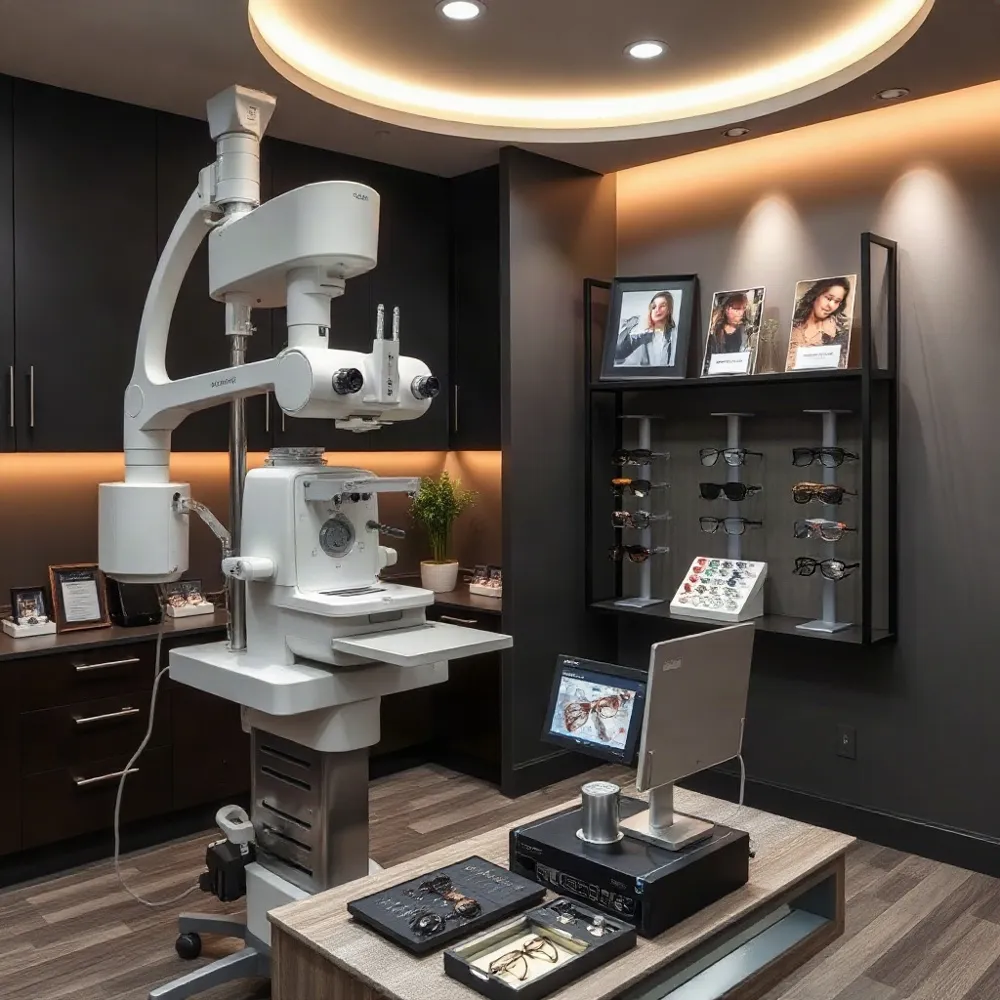
It’s possible to have both allergies and dry eye at the same time. Inflammation from allergies can disrupt your eye’s natural moisture layer, while a weak moisture layer makes it harder for your eyes to flush out allergens. That’s where a comprehensive eye exam at Rio Vista Optometry can help. Dr. Camen will use gentle, modern tools to check your tear quality, eyelid health, and how your eyes are responding, then create a personalized plan that gets to the real root of your discomfort — so you can feel better and see clearly.
Why Self-Diagnosis Can Backfire
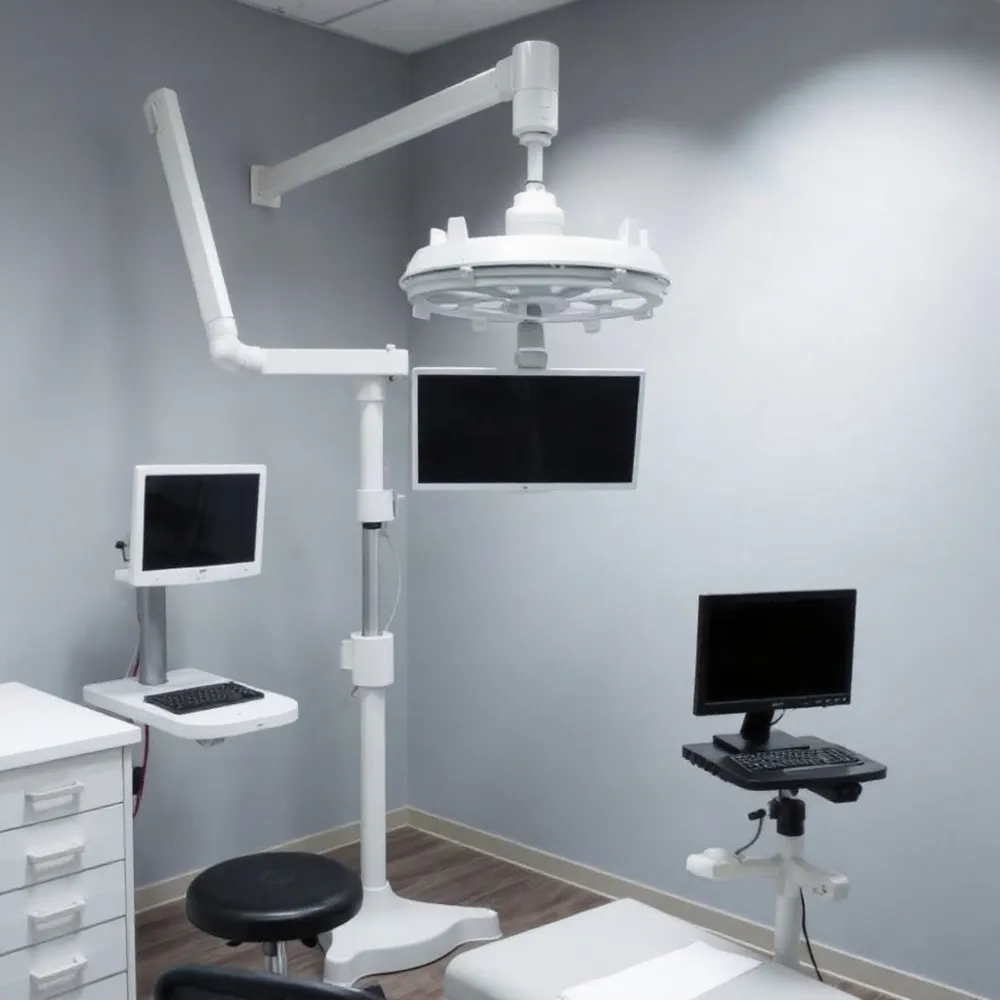 When your eyes feel dry, gritty, or irritated, it's natural to reach for a bottle of artificial tears or allergy eye drops and assume you know the problem. But many conditions masquerade as dry eye, and treating the wrong one can make things worse. Common conditions that can look like dry eye include allergies, eyelid inflammation, and pink eye. Less common culprits involve the shape or front surface of the eye, eyelid issues, and conditions that affect how the eyes work together.
Using standard allergy eye drops for an undiagnosed dry eye can backfire. Many allergy drops contain ingredients that can dry the eye surface further or cause redness to bounce back with daily use. Preservative-heavy drops are also problematic because some preservatives can harm the clear front surface of the eye over time. The safest choice is usually a preservative-free artificial tear, but even that won't address the root cause if the problem is something else entirely.
The only reliable way to tell these conditions apart is through a comprehensive eye exam with advanced diagnostic tools. A thorough evaluation can assess tear production, tear quality, eyelid health, and the surface of the eye, ruling out allergies, infections, or structural problems that simple drops can't fix. At Rio Vista Optometry, Dr. Camen uses the latest technology to pinpoint the real cause of your discomfort and create a personalized treatment plan that targets it directly.
Smart Relief: Finding the Right Eye Drops and At-Home Care
The right eye drops depend on what is actually bothering your eyes. For mild dryness, preservative-free artificial tears are a gentle starting point. For allergies, an antihistamine drop like ketotifen targets the itch. Getting this match right matters: using allergy drops on a dry eye can make the dryness worse, so a clear diagnosis comes first.
Choosing drops for dry eyes
For mild dry eye, preservative-free artificial tears are often the best first choice. They have fewer additives and are safe to use as often as needed. If your tears evaporate too quickly, lipid-based formulas add an oily layer to slow that loss. When dryness is driven by inflammation, prescription options like Restasis, Xiidra, or Cequa work to support your natural tear production.
Many patients try a couple of brands before finding the right fit, which is normal. At Rio Vista Optometry, Dr. Camen starts with a comprehensive evaluation to identify the root cause of your dryness, then recommends drops that match your specific tear film needs. That tailored approach is what makes the difference between temporary relief and lasting comfort.
Choosing drops for allergy eyes
For itchy, red allergy eyes, look for an over-the-counter antihistamine drop containing ketotifen, such as Alaway or Zaditor. These calm the histamine response that drives the itch. Avoid daily use of drops with decongestants, which can cause rebound redness and, over time, make your eyes more irritated. As noted in the Brown Health seasonal allergy guide, a cold compress and keeping windows closed can also ease symptoms before you reach for a bottle.
Allergy drops are safe for short-term use, but they are not designed for dry eyes. If your symptoms persist after a few days, an optometrist can help sort out whether allergies, dryness, or both are at play. Rio Vista Optometry can recommend the safest options for your situation, so you are not guessing at the pharmacy shelf.
Simple at-home habits that help
- Warm compresses over closed lids help soften blocked oil glands and improve tear quality.
- Eyelid scrubs keep the lid margin clean and reduce inflammation.
- A humidifier adds moisture to dry indoor air, a common culprit in San Diego's air-conditioned spaces.
- Follow the 20-20-20 rule: every 20 minutes, look at something 20 feet away for 20 seconds.
These habits are easy to build into your day and can noticeably reduce irritation. For allergy flares, a cold compress soothes puffy, itchy lids. If your eyes still feel gritty or tired despite these steps, it is worth checking in with a professional to prevent the problem from becoming chronic.
At Rio Vista Optometry, the team blends these everyday habits with modern dry eye treatments to give you a plan that fits your life. Whether you need the right drop, a simple routine change, or a deeper evaluation, the goal is to get you back to comfortable, clear vision without guesswork.
Professional Treatments That Go Beyond Drops
If at-home drops aren't giving you the relief you need, you don't have to live with dry eye discomfort. Here in San Diego, Dr. Camen at Rio Vista Optometry offers in-office treatments that address the root cause of your symptoms — not just mask them.
For many of our patients, dry eye starts with meibomian gland dysfunction (MGD), meaning the tiny oil glands in your eyelids become blocked and your tears evaporate too quickly. The treatments below target that root cause directly.
Punctal Plugs. These tiny, comfortable devices are placed into your tear ducts to slow drainage and keep your natural moisture on the eye's surface. It’s a simple in-office procedure we offer for long‑lasting relief.
IPL Therapy. Intense Pulsed Light uses precise pulses of light to reduce inflammation around your eyelids and improve oil gland function. It’s a non‑invasive option we use for chronic dry eye.
LipiFlow. An FDA‑approved, 12‑minute treatment that applies controlled heat and gentle pressure to clear your blocked meibomian glands, restoring the lipid layer of your tears.
Radiofrequency. This treatment uses gentle heat energy to stimulate collagen and improve oil gland function, helping reduce inflammation and increase tear stability.
Amniotic Membrane. For more severe cases, a biologic graft is placed on the surface of your eye to promote healing and reduce inflammation.
These professional treatments work because they target the cause, not just the symptoms. Dr. Camen starts with a thorough dry eye evaluation — measuring your tear production, tear quality, and eyelid health — so your plan is personalized just for you.
We’ll also share practical lifestyle tips to help you manage symptoms, like adjusting screen time, staying hydrated, and using a humidifier. With ongoing support and follow‑up care, you can enjoy comfortable, clear vision again right here in Mission Valley.
Navigating Insurance and Costs for Dry Eye Care
The cost of dry eye treatment varies based on the type of care you need. Simple solutions like artificial tears are affordable, while prescription drops can range from $100 to $500 per month without insurance. In-office procedures typically cost between $300 and $1,000 per session.
Many health insurance plans cover the diagnosis and medical treatment of dry eye disease, including prescription drops and certain in-office procedures. However, advanced therapies like IPL, radiofrequency treatment, and gland expression are often classified as elective or wellness care by insurers, meaning you may be responsible for the full cost. Vision insurance typically does not cover dry eye treatment, as it is designed for routine exams and eyewear.
The team at Rio Vista Optometry can verify your specific benefits, help you understand what your plan covers, and discuss any out-of-pocket options for advanced treatments. We assist with insurance and payment options to help alleviate the financial and logistical hurdles of eye care, including FSA, HRA, HSA accounts and CareCredit financing.
Don't let concerns about cost delay your care. Untreated dry eye can lead to corneal abrasions and vision impairment, making early intervention crucial. A comprehensive eye exam at Rio Vista Optometry determines the root cause of your symptoms and provides a road map for effective treatment, helping you find relief without unnecessary expense.
Your Next Step: See Clearly and Comfortably
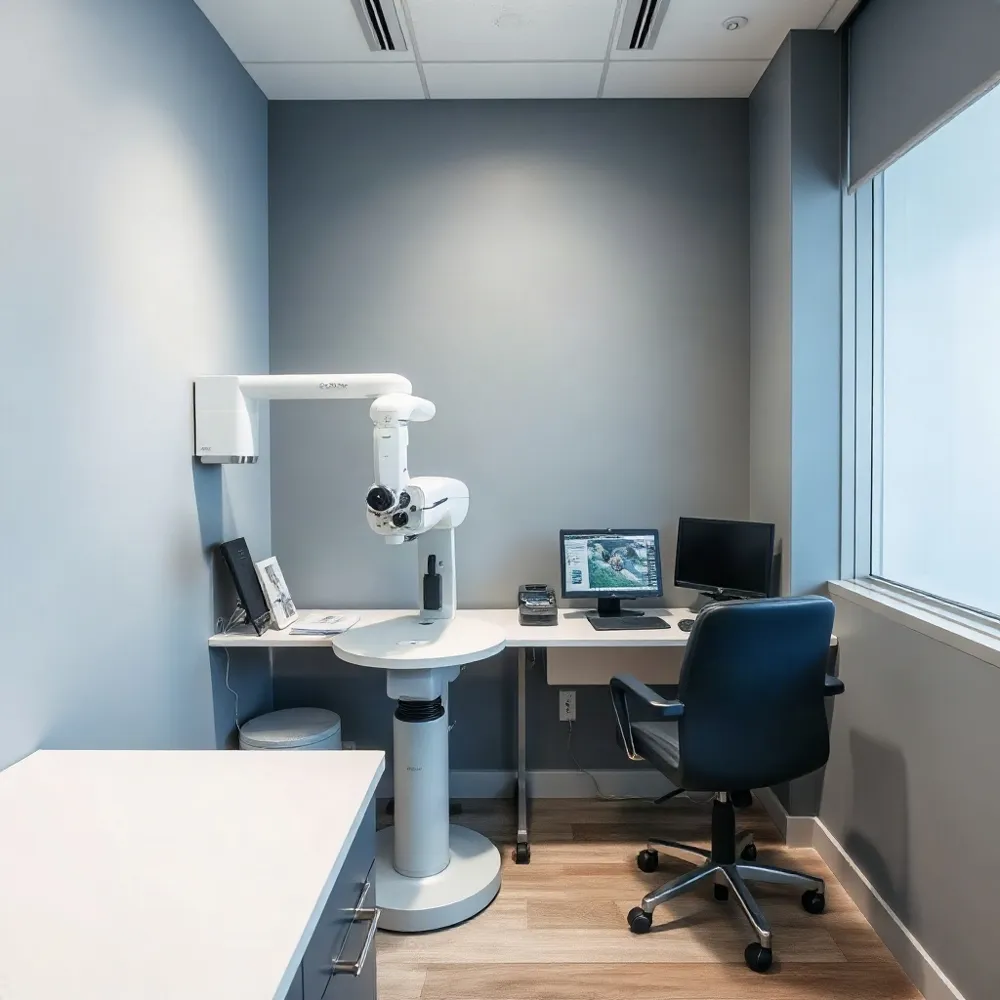 If you are wondering whether your irritated eyes are from dry eye, allergies, or a combination of both, the first step is a comprehensive eye exam. At-home guessing often leads to the wrong drops and prolonged discomfort. A thorough evaluation is the only way to pinpoint the root cause and start effective treatment.
Rio Vista Optometry is conveniently located in Mission Valley, making it easy for San Diego residents to access expert care. The practice offers dry eye evaluations that assess tear production and quality, helping to identify conditions like issues with the oil glands in the eyelids that over-the-counter drops cannot fix.
Will dry eye go away by itself? Mild, temporary dryness from short-term triggers like screen fatigue or seasonal allergies may improve with rest and lubricating drops. But chronic dry eye disease usually does not resolve without professional care, as it often involves underlying inflammation or unstable tears. If your symptoms persist, it is time to see an optometrist who can create a tailored treatment plan.
Dr. Camen and the team at Rio Vista Optometry combine advanced diagnostic tools with a warm, family-like atmosphere. They take time to listen and explain every option, never rushing or overselling. Whether you need prescription eye drops, in-office treatments, or simply guidance on the best at-home products, you will receive honest recommendations based on your specific needs.
For those looking for at-home support while waiting for an appointment, Rio Vista Optometry offers a selection of dry eye products. But the real path to lasting comfort starts with a professional exam.
If your eye irritation is interfering with reading, driving, or enjoying San Diego's outdoor lifestyle, do not wait. Schedule an appointment at Rio Vista Optometry and take the first step toward seeing clearly and comfortably.
Find Relief with Expert Care Close to Home
You don't have to guess whether it's dry eye or allergies. A comprehensive eye exam at Rio Vista Optometry in Mission Valley can pinpoint the cause and get you on a personalized treatment path.
Our friendly, family-like practice uses advanced diagnostics to treat the root of your discomfort, not just the symptoms. Schedule your visit today and see clearly again.