How Aging Affects Your Eyes
Blog:How Aging Affects Your Eyes
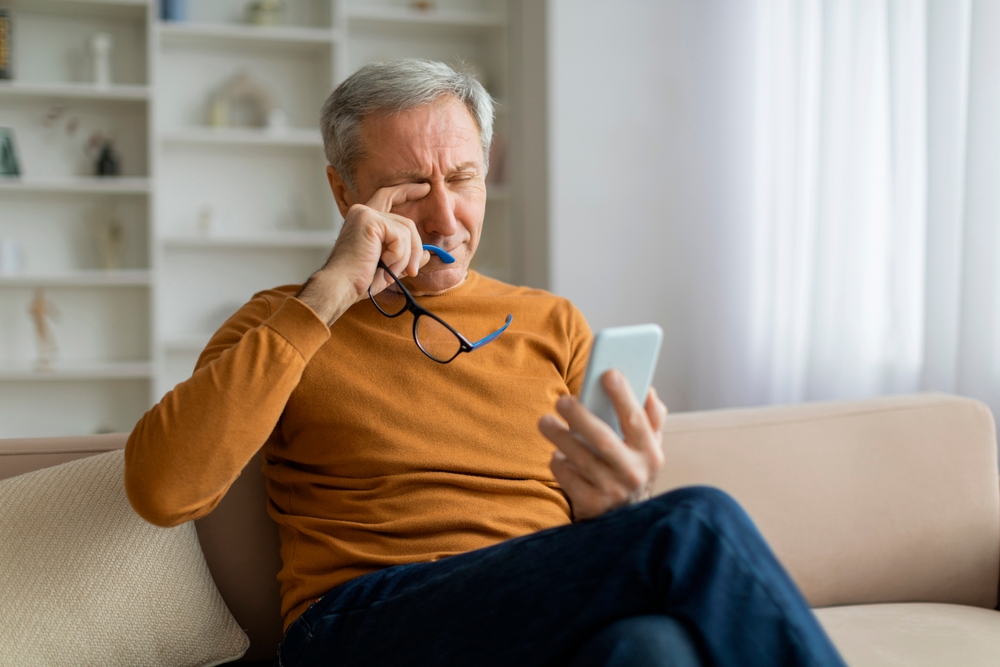
Our eyes change as we get older. It is a normal part of life. But here is the good news: understanding these changes is the first step. And there are simple, powerful things you can do to protect your sight.
So, what actually happens? And what can you do about it?
A Few Common Changes You Might Notice
As time goes on, you might experience a few specific things. Knowing their names can help you talk about them with your doctor.
Presbyopia: Trouble Seeing Up Close
As we age, the lens in our eyes becomes less flexible. This is a common change that affects many people. That makes focusing on close objects, like a book or your phone, a real challenge. This is why you might be holding things farther away.
Dry, Irritated Eyes
Your eyes might feel gritty or tired. This often happens because we produce fewer tears as we age. Air conditioning, heat, or wind can make it feel worse.
Cataracts
This is when the eye’s lens gets cloudy, like a foggy window. It can make everything look blurry, dull, or cause glare. Cataracts are a common condition, but the good news is that cataract surgery is one of the most widely performed and successful procedures available.
Glaucoma
This condition results from pressure building up inside the eye, potentially damaging the optic nerve. It often has no early symptoms, which is why regular eye exams are so important. Finding it early is key.
Macular Degeneration
This condition affects your central vision, which is needed for reading, driving, and recognizing faces. Straight lines might start to look wavy. It is more common after age 60.
Your Action Plan for Healthier Eyes
You cannot stop time, but you can support your eyes every single day. Think of these as friendly habits for your lifelong vision.
Make Eye Exams a Priority
This is the most crucial step: a yearly visit to your eye doctor isn’t just for updating your glasses prescription. It is how conditions like glaucoma are caught early, long before you notice a problem.
Wear Your Sunglasses
Just like your skin, your eyes need protection from UV rays. High-quality sunglasses can block 100% of UVA/UVB rays, helping prevent cataracts and macular degeneration. Remember, wear them even on cloudy days.
Eat the Rainbow for Your Eyes
Foods rich in antioxidants are great for eye health. Eat leafy greens like kale and spinach, vibrant orange peppers and carrots, and fatty fish such as salmon. What is good for your body is good for your eyes.
Follow the 20-20-20 Rule
Staring at screens causes strain. Give your eyes a break. Every 20 minutes, set your sights on an object that is 20 feet away, and do so for 20 seconds. It is a simple trick that really works.
Stop Smoking
If you smoke, this is a major reason to quit. Smoking significantly increases your risk for almost every age-related eye condition we talked about. Your doctor can help you find resources to stop.
Use Better Lighting
Be kind to yourself. Add a good lamp next to your favorite chair for reading. Use brighter, direct light for hobbies and tasks. It reduces strain and makes everything more enjoyable.
For more on how aging affects your eyes, visit Rio Vista Optometry. Our office is in San Diego, California. Call (619) 607-3277 to book an appointment today.
https://www.nia.nih.gov/health/vision-and-vision-loss/aging-and-your-eyes
https://www.aao.org/eye-health/tips-prevention/20-ways-aging-changes-your-eyes
Helpful Articles
article_category: health
article_category: technology
article_category: general
article_category: large animal
article_category: cats
article_category: eye health
article_category: eye surgery co-management
article_category: faqs
article_category: services
article_category: psychiatry
article_category: aesthetics
article_category: products
article_category: eyeglasses
article_category: ocular disease management
article_category: conditions
article_category: exotic
article_category: restorative
article_category: cosmetic
article_category: contact lenses
article_category: surgical procedures
article_category: preventative
article_category: dogs
[]
article_category: technology
article_category: general
article_category: large animal
article_category: cats
article_category: eye health
article_category: eye surgery co-management
article_category: faqs
article_category: services
article_category: psychiatry
article_category: aesthetics
article_category: products
article_category: eyeglasses
article_category: ocular disease management
article_category: conditions
article_category: exotic
article_category: restorative
article_category: cosmetic
article_category: contact lenses
article_category: surgical procedures
article_category: preventative
article_category: dogs
[]
Flowbite is an open-source library of interactive components built on top of Tailwind CSS including buttons, dropdowns, modals, navbars, and more.
Check out this guide to learn how to get started and start developing websites even faster with components on top of Tailwind CSS.
All Eye Care Services
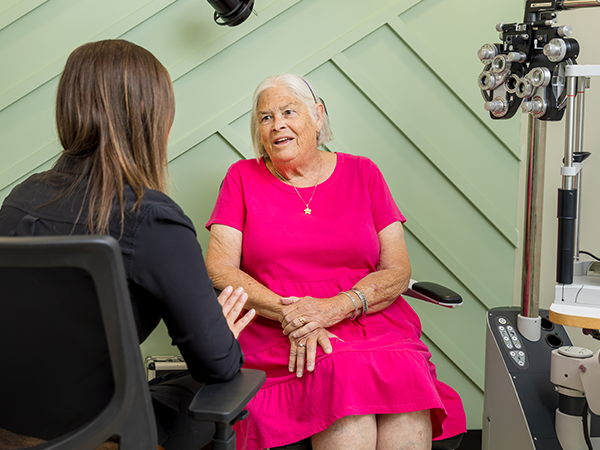
We offer a wide variety of eye care services to the San Diego community. Contact us with any questions about our services.
Keep In Touch
For non-urgent questions or to learn more about our services, contact us today!
Contact Information
Hours of Operation
- Monday 9:00am - 5:30pm
- Tuesday 9:00am - 5:30pm
- Wednesday 10:30am - 7:00pm
- Thursday 9:00am - 5:30pm
- Friday 9:00am - 3:30pm
- Saturday Closed
- Sunday Closed
© 2026 Rio Vista Optometry. All rights Reserved - Accessibility Statement - Privacy Policy - Terms of Service - Sitemap
Managed and Designed by 